




For many vehicle owners, warehouse managers, and property developers, a simple four-inch curb can represent a significant obstacle. Whether it is the entrance to a driveway, a loading dock, or a temporary construction site, transitioning vehicles or heavy equipment over a vertical rise can cause structural damage, tire wear, and safety hazards. The heavy-duty 4-inch rubber kerb ramp has emerged as the premier solution for bridging these gaps.
Constructed from high-density, industrial-grade materials, these ramps are designed to provide a smooth, safe transition for everything from low-profile sports cars to heavy-duty forklifts. This guide provides a comprehensive look at the features, benefits, applications, and technical specifications of 4-inch rubber kerb ramps.
What is a Heavy Duty 4 Inch Rubber Kerb Ramp?
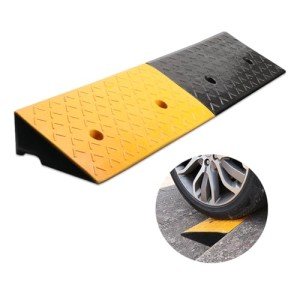
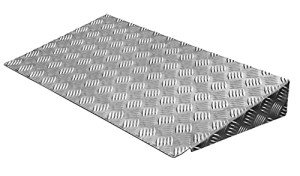
A 4-inch rubber kerb ramp is a specialized wedge-shaped accessory designed to sit flush against a curb or raised edge. Measuring approximately 100mm in height, these ramps are specifically engineered to match the standard height of most residential and commercial curbs.
Unlike temporary wooden planks or DIY concrete patches, these ramps are manufactured using recycled tire rubber. This material choice is intentional; rubber offers a unique combination of flexibility, friction, and compression strength that other materials cannot match.
Key Material Properties
- High-Density Recycled Rubber: Provides the structural integrity to support several tons.
- UV Stabilization: Ensures the ramp does not crack or become brittle under prolonged sun exposure.
- Compression Resilience: Allows the ramp to absorb the shock of a moving vehicle, protecting the vehicle's suspension.
Why Choose Rubber Over Plastic or Concrete?
When selecting a ramp, consumers often choose between rubber, plastic, and permanent concrete. However, for "heavy-duty" applications, rubber provides specific advantages that make it the superior choice for longevity and safety.
Material Comparison Table
| Feature | Rubber Kerb Ramp | Plastic (HDPE) Ramp | Concrete Ramp |
|---|---|---|---|
| Durability | Extremely High (Will not crack) | Moderate (Can shatter under cold/heavy load) | High (But prone to erosion) |
| Grip/Traction | Superior (Natural anti-slip) | Low (Needs molded texture) | Moderate |
| Noise Level | Silent (Absorbs sound) | Loud/Hollow | Moderate |
| Installation | Portable or Bolt-down | Portable/Lightweight | Permanent (Requires labor/permits) |
| Drainage | Built-in channels | Usually none | Blocks water flow |
| Weight Capacity | Up to 20-30 Tons | Usually up to 2-5 Tons | Permanent |
Key Features of Heavy Duty Ramps
High-quality 4-inch rubber ramps are characterized by several engineering features that prioritize safety and ease of use.
1. Enhanced Surface Traction
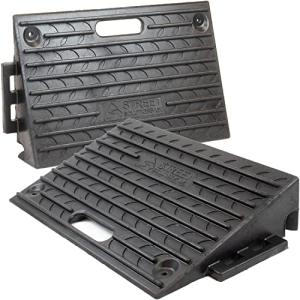
The top surface of a heavy-duty ramp typically features a cross-hatch or grooved pattern. This is essential for preventing tire slippage during wet or icy conditions. Because rubber is naturally high-friction, it provides excellent "bite" for tires, even at steep angles.
2. Integrated Drainage Channels
One of the biggest concerns for municipalities and homeowners is the blockage of gutter water. Heavy-duty rubber ramps are designed with an underside tunnel or "void" that allows rainwater to flow freely underneath the ramp. This prevents the pooling of water and helps avoid local flooding issues.
3. Pre-Drilled Mounting Holes
While the weight of the rubber (often 10–20kg per section) keeps the ramp in place for casual use, heavy-duty applications require stability. Most ramps come with pre-drilled holes, allowing them to be bolted into asphalt or concrete for permanent installation.
4. High-Visibility Markings
Many models include recessed yellow reflective strips or "cats-eye" reflectors. This ensures the ramp is visible to drivers and pedestrians at night, reducing trip hazards and accidental impacts.
Practical Applications
The versatility of the 4-inch rubber kerb ramp makes it a staple across various sectors.
Residential Driveways
Homeowners with low-clearance vehicles—such as sports cars or modified sedans—often face the "scrape" at the end of their driveway. A 4-inch ramp provides a gradual incline, protecting the front splitter and undercarriage from costly damage.
Industrial and Commercial Hubs
In warehouses, these ramps allow forklifts and pallet jacks to move over small rises without jarring the load or damaging the machine's small, solid wheels. They are also used at loading docks to smooth out the transition for delivery vans.
Construction and Public Works
As temporary solutions, rubber ramps are used to allow trucks to move over temporary hoses or cables, or to provide site access over freshly laid curbs that cannot yet be permanently paved.
Accessibility and Mobility
Small curbs can be insurmountable for wheelchairs, mobility scooters, and strollers. Installing these ramps in public spaces or private businesses ensures compliance with accessibility standards and provides a safe path for all.
Technical Specifications
When purchasing a heavy-duty ramp, it is vital to check the specifications to ensure they meet your weight requirements.
Standard Product Specifications
| Specification | Detail |
|---|---|
| Height | 4 Inches (approx. 100mm) |
| Width (Typical) | 19 to 24 Inches (480mm to 600mm) |
| Depth/Length | 10 to 12 Inches (250mm to 300mm) |
| Weight-Bearing Capacity | 10,000kg to 30,000kg (10–30 Tons) |
| Material | Industrial Grade Synthetic/Recycled Rubber |
| Operating Temperature | -40°C to +60°C |
| Mounting Hardware | Expansion bolts (often sold separately) |
Installation Guide: Step-by-Step
Installing a 4-inch rubber kerb ramp is a straightforward process that can be completed in under 30 minutes.
For Portable Use:
- Clean the Area: Sweep away rocks and debris from the gutter to ensure the ramp sits flush.
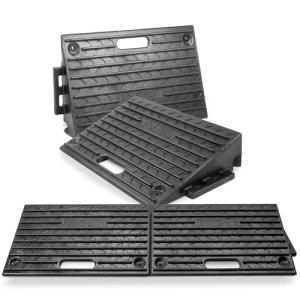
- Alignment: Line up the ramp sections side-by-side. Most heavy-duty models feature interlocking ends to prevent drifting.
- Positioning: Place the vertical edge tight against the curb.
For Permanent Installation:
- Mark the Holes: Position the ramp and use a marker to trace the pre-drilled holes onto the pavement.
- Drilling: Remove the ramp and use a masonry drill bit to create holes (typically 12mm-14mm depending on the bolt size).
- Clean the Holes: Use a blower or vacuum to remove dust from the drilled holes.
- Secure: Reposition the ramp, insert the expansion bolts, and tighten them until the ramp is firmly anchored.
Maintenance and Longevity
One of the primary benefits of rubber is how little maintenance it requires. However, to ensure maximum lifespan, consider the following:
- Periodic Cleaning: Hose down the ramps to prevent mud buildup in the traction grooves.
- Check Bolts: If permanently installed, check the tightness of the bolts once every six months, as traffic vibrations can occasionally loosen them.
- Clear Drainage: Ensure the underside channels are not blocked by leaves or trash.
Frequently Asked Questions (FAQ)
1. Does a rubber ramp need to be bolted down?
Not necessarily. For residential driveways with standard passenger cars, the weight of the ramp itself usually keeps it in place. However, for high-traffic areas or use with heavy trucks, bolting is highly recommended to prevent the ramp from shifting.
2. Can these ramps handle a full-sized semi-truck?
Yes, provided they are rated as "Heavy Duty." Most industrial-grade rubber ramps are rated for 20 to 30 tons, which is sufficient for heavy-duty commercial vehicles.
3. Are these ramps legal for use on public streets?
Regulations vary by municipality. Some cities allow them as long as they don't block drainage, while others require them to be removed when not in use. It is always best to check with your local council or homeowners' association (HOA).
4. Will the rubber smell?
New rubber products can have a distinct "tire shop" smell. However, when used outdoors, this scent dissipates within a few days.
5. Can I leave them out during winter?
Absolutely. High-quality rubber is resistant to freezing and cracking. The added traction is actually a safety benefit during icy months.
The heavy-duty 4-inch rubber kerb ramp is an essential tool for protecting vehicles and ensuring smooth transitions in a variety of environments. By combining the resilience of recycled rubber with thoughtful engineering features like drainage channels and high-visibility markings, these ramps offer a cost-effective, durable, and versatile alternative to concrete or plastic.
Investing in a high-quality rubber ramp not only prevents expensive undercarriage damage but also improves the accessibility and safety of any property. Whether for a private garage, a busy warehouse, or a public sidewalk, these ramps provide a heavy-duty solution to the everyday challenge of the four-inch curb.