




Accessibility is a fundamental pillar of modern architecture and home design, yet many residential and commercial spaces still feature small but significant barriers. A single-inch threshold or a slightly raised doorway can present a major obstacle for individuals using wheelchairs, mobility scooters, or walkers. The KMINA Portable Rubber Wheelchair Door Ramp has emerged as a premier solution to these architectural challenges, offering a blend of durability, safety, and ease of use.
This guide provides an in-depth exploration of the KMINA Portable Rubber Wheelchair Door Ramp, examining its technical specifications, practical applications, and the benefits it offers to those seeking to improve mobility and independence within their environments.
What is the KMINA Portable Rubber Wheelchair Door Ramp?
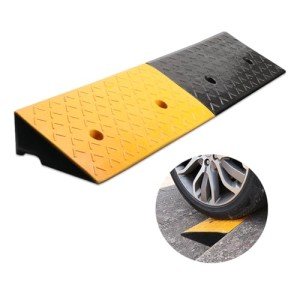
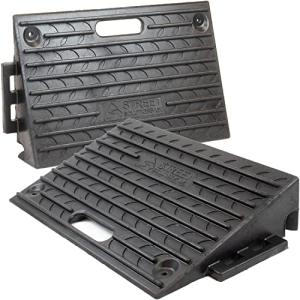
The KMINA Portable Rubber Wheelchair Door Ramp is a heavy-duty, wedge-shaped incline designed to bridge the gap between uneven floor surfaces. Manufactured from high-density recycled rubber, this ramp is specifically engineered to handle significant weight loads while providing a high-friction surface for maximum safety.
Unlike permanent concrete ramps or thin metal plates, the KMINA rubber ramp offers a semi-permanent solution that requires no drilling or complex installation. Its "place-and-go" design makes it an ideal choice for both temporary and long-term accessibility needs.
Key Features and Technical Specifications
When selecting a threshold ramp, technical dimensions and material quality are paramount. KMINA offers several variations to accommodate different threshold heights. Below is a detailed breakdown of the specifications typically found in the KMINA rubber ramp product line.
Product Specification Table
| Feature | 1-Inch Model | 1.5-Inch Model | 2-Inch Model | 3-Inch Model |
|---|---|---|---|---|
| Height | 1" (25 mm) | 1.5" (38 mm) | 2" (50 mm) | 3" (75 mm) |
| Width | 43.3" | 43.3" | 43.3" | 35.4" |
| Depth | 8.3" | 12.6" | 16.5" | 17.7" |
| Weight Capacity | Up to 1,500 lbs | Up to 1,500 lbs | Up to 1,500 lbs | Up to 1,500 lbs |
| Material | Recycled Rubber | Recycled Rubber | Recycled Rubber | Recycled Rubber |
| Surface | Grooved / Non-slip | Grooved / Non-slip | Grooved / Non-slip | Grooved / Non-slip |
Note: Capacity may vary slightly based on specific manufacturing batches, but most models are rated for heavy-duty industrial or domestic use.
Advantages of Using Rubber Threshold Ramps
Rubber ramps offer distinct advantages over their aluminum or plastic counterparts. Understanding these benefits helps users determine if the KMINA ramp is the right fit for their specific environment.
1. Exceptional Traction and Safety
The primary concern for any mobility aid is safety. The KMINA ramp features a grooved, slip-resistant surface. Because rubber naturally has a high coefficient of friction, it provides excellent grip for rubber tires and specialized footwear, even when the ramp is wet. This makes it a superior choice for bathrooms or outdoor entryways exposed to rain.
2. Durability and Weather Resistance
Recycled rubber is incredibly resilient. It does not rust like metal, nor does it crack like cheap plastic. It can withstand extreme temperature fluctuations, from freezing winters to scorching summers, without losing its structural integrity. Furthermore, it is resistant to UV rays, ensuring that the ramp will not become brittle over time.
3. Noise Reduction
One often-overlooked benefit of rubber ramps is their acoustic properties. Metal ramps can create a loud "clanging" sound when a wheelchair or scooter passes over them. Rubber naturally absorbs impact and sound, leading to a much quieter transition—a feature highly valued in apartment buildings or quiet residential homes.
4. Simple Customization
Every doorway is different. One of the most practical benefits of the KMINA Portable Rubber Ramp is that the rubber material can be trimmed. If a user has a doorway that is narrower than the standard 43.3 inches, the ramp can be cut to the exact width required using a utility knife or a power saw.
Practical Applications for the KMINA Ramp
The versatility of this ramp allows it to be used in various scenarios across different settings.
Residential Use
- Front and Back Doors: Bridging the gap between the porch and the interior floor.
- Baths and Showers: Helping roll-in shower chairs navigate the lip of a shower stall.
- Sliding Glass Doors: Providing a smooth transition over the tracks typically found in patio doors.
Commercial and Public Use
- Storefront Entryways: Small steps at the entrance of shops can be made accessible instantly.
- Office Inner Thresholds: Transitioning between different flooring types (e.g., from tile to high-pile carpet).
- Warehouses: Assisting hand trucks and dollies over small rises in the floor.
Installation and Maintenance
Installation of the KMINA Portable Rubber Wheelchair Door Ramp is remarkably straightforward. Because of the weight of the rubber, the ramp typically stays in place through gravity and friction alone.
Installation Steps:
- Measure the Threshold: Determine the exact height of the rise to ensure the correct model is purchased.
- Clear the Area: Ensure the floor is clean and free of debris where the ramp will sit.
- Placement: Simply place the ramp flush against the threshold.
- Trimming (Optional): If the ramp is too wide, mark the desired width and cut carefully using a sharp blade.
Maintenance Tips:
- Cleaning: Use a mild soap and water solution to wash away dirt or mud. Avoid using oil-based cleaners, as these can make the rubber slippery.
- Inspection: Periodically check that no debris has lodged underneath the ramp, as this could cause it to sit unevenly.
Pro and Con Analysis
To provide a balanced view, it is essential to look at both the strengths and the potential limitations of the KMINA rubber ramp.
Pros:
- No Permanent Fixing: Perfect for renters or temporary situations where drilling into the floor is not allowed.
- Extreme Weight Support: Can support heavy power wheelchairs and even some vehicles.
- Internal Channels: Many models include built-in channels on the underside to allow cables or small hoses to pass through without being crushed.
- Eco-Friendly: Made from recycled tire rubber, reducing environmental waste.
Cons:
- Weight: Because they are heavy-duty, the larger models can be heavy to move frequently.
- Initial Odor: New rubber products often have a distinct "tire" smell. This usually dissipates after a few days of being aired out.
Comparing Rubber vs. Aluminum Threshold Ramps
| Feature | KMINA Rubber Ramp | Aluminum Threshold Ramp |
|---|---|---|
| Material | Heavy recycled rubber | Lightweight aluminum |
| Installation | Gravity-held (No screws) | Usually requires screws/pins |
| Stability | Very high (Does not shift) | Moderate (Can slide if not fixed) |
| Sound | Silent | Can be noisy |
| Customization | Trimmable with a knife | Requires metal cutting tools |
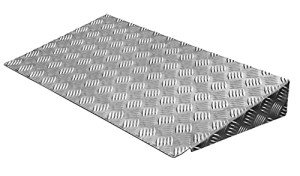
| Best For | Permanent or semi-permanent | Highly portable/travel use |
Frequently Asked Questions (FAQ)
1. Does the KMINA ramp have a strong smell?
As with most high-density rubber products, there is a "new rubber" scent upon unboxing. This is common and not harmful. If used indoors, it is recommended to let the ramp air out in a garage or shaded outdoor area for 24–48 hours before installation.
2. Can the ramp be use for a motorized scooter?
Yes. The KMINA ramp is specifically designed to handle the weight of motorized wheelchairs and heavy mobility scooters. Its high-traction surface is ideal for the drive wheels of these devices.
3. Is it possible to use two ramps together?
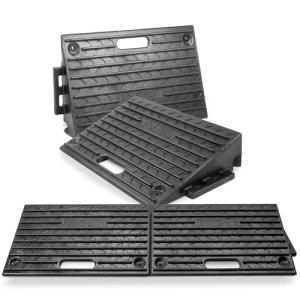
If a threshold has a rise on both the inside and the outside, two KMINA ramps can be placed back-to-back to create a "bridge" over the threshold.
4. Will the ramp damage my flooring?
Generally, no. Rubber is non-abrasive. However, for specific delicate flooring like some types of vinyl or light-colored carpets, users may want to ensure the area is dry before placement to prevent any potential moisture trapping.
5. Can I leave the ramp outside in the snow?
Yes. The KMINA ramp is designed for outdoor use and is weather-resistant. It is actually safer than metal in the snow because rubber provides better grip, though it is still recommended to clear snow off the ramp surface for maximum safety.
The KMINA Portable Rubber Wheelchair Door Ramp stands as a practical, durable, and cost-effective solution for anyone looking to eliminate threshold barriers. Its construction from recycled rubber ensures a long lifespan, while its slip-resistant design prioritizes the safety of the user. Whether for a residential home, a commercial office, or a temporary event, this ramp provides the necessary incline to ensure that mobility is never hindered by a simple doorway. By investing in a high-quality ramp like this, property owners can offer a safer, more inclusive environment for everyone.