
In today's aging society, mobility devices have become increasingly essential for individuals with restricted movement or disabilities. One such device that’s gaining popularity is the lightweight aluminum folding transit wheelchair with brakes. This mobility aid is designed not just for the user but also provides a convenient solution for caregivers. This guide will explore everything you need to know about this versatile and practical wheelchair, from its features and benefits to its maintenance and FAQs.
What is a Lightweight Aluminum Folding Transit Wheelchair?
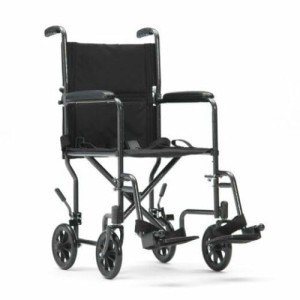
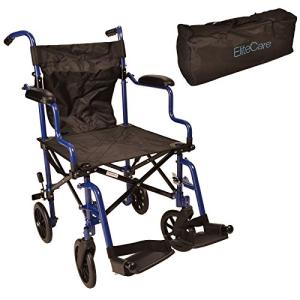
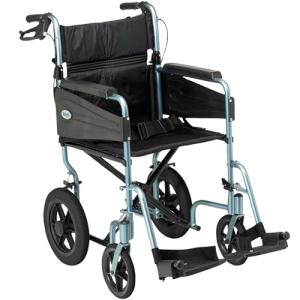
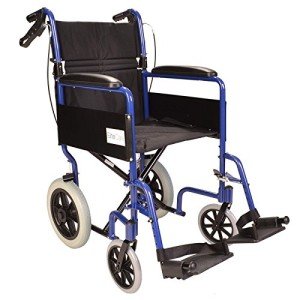
A lightweight aluminum folding transit wheelchair is specifically engineered to be lightweight, portable, and easy to maneuver. It's constructed primarily from aluminum, which not only makes it durable but also reduces the overall weight. The folding feature allows for convenient transport and storage, making it ideal for individuals who are frequently on the go or have limited space.
Key Characteristics
-
Lightweight Design: Made from high-quality aluminum, these wheelchairs typically weigh between 15 to 35 pounds, depending on the model. This lightweight nature allows users and caregivers to lift and maneuver the chair easily.
-
Folding Mechanism: The wheelchair can be folded quickly and efficiently for transport. This feature is particularly beneficial for those who travel frequently or need to store the wheelchair in a vehicle or small space.
-
Brakes: Equipped with reliable brakes, these wheelchairs offer enhanced safety for users. The brakes can be easily engaged or disengaged, providing caregivers with additional control during transfers.
-
Comfort Features: Many of these wheelchairs come with padded seats and armrests, ensuring comfort for the user. Some models also include adjustable footrests and backrests for added support.
-
Durability: The aluminum frame is not only lightweight but also highly resistant to corrosion, ensuring a longer lifespan for the wheelchair.
Benefits of Using a Folding Transit Wheelchair
The lightweight aluminum folding transit wheelchair with brakes offers various advantages:
-
Portability: Ideal for travel, it can be easily packed into a vehicle, making outings smooth for both users and caregivers.
-
Safety: The brake system provides peace of mind during transfers and when navigating ramps or inclines.
-
User Independence: While designed for easy transport by caregivers, many users can also navigate in environments they frequent, promoting independence.
-
Versatile Use: Suitable for various settings, including homes, healthcare facilities, and outdoors, this wheelchair adapts to different user needs.
-
Affordability: Compared to custom mobility solutions, these folding transit wheelchairs often offer a cost-effective option for users without compromising on safety and comfort.
Choosing the Right Lightweight Aluminum Folding Transit Wheelchair
When selecting the right wheelchair, users and caregivers should consider several factors:
-
Weight Capacity: Make sure to check the wheelchair’s weight limit to accommodate the user's size comfortably.
-
Seat Width: A wider seat may provide more comfort, but it’s essential to ensure it fits through doorways and in vehicles.
-
Brake System: Look for a wheelchair with user-friendly brakes. Some models come with hand brakes, while others have push-to-lock brakes.
-
Legroom: Proper legroom is critical, especially for extended use. Check the footrest height and adjustability.
-
Storage Options: Some models come with attached storage baskets or pouches, which can be helpful for carrying personal items.
Maintenance Tips
To ensure longevity and optimal performance of the folding transit wheelchair, regular maintenance is key. Here are some simple upkeep tasks:
-
Regular Cleaning: Use mild soap and water to clean the frame and seating surfaces. This prevents dirt buildup and keeps it looking new.
-
Check the Brakes: Regularly check the function of the brakes to ensure they are working correctly. This is vital for user safety.
-
Inspect Tires: Check both tires and casters for wear and tear. Ensure they are inflated to appropriate levels if the wheelchair has pneumatic tires.
-
Lubricate Moving Parts: Apply a silicone-based lubricant to the moving components, such as hinges and wheels, to ensure smooth operation.
-
Store Properly: When not in use, store the wheelchair in a dry space to prevent moisture damage or rust.
Common FAQs
1. How much do lightweight aluminum folding transit wheelchairs generally cost?
The price can vary widely depending on features and brand, typically ranging from £150 to £500. More advanced models with additional features may cost more.
2. Are the brakes easy to use?
Yes, most modern lightweight folding transit wheelchairs come with user-friendly braking systems, designed to be easily operated by both the user and caregiver.
3. Can these wheelchairs be used outdoors?
Absolutely! These wheelchairs are designed for both indoor and outdoor use. However, users should be cautious on uneven terrain.
4. How do I know what size wheelchair I need?
Choosing the right size depends on the user's weight, height, and comfort preferences. It is also essential to consider the wheelchair's portability and intended use.
5. Can I use a folding transit wheelchair if I have limited arm strength?
Yes! Many models come with features aimed at improving maneuverability for users with limited upper body strength, such as push handles for caregivers.
A lightweight aluminum folding transit wheelchair with brakes is an invaluable aid for enhancing mobility for individuals with disabilities or limited movement. Its combination of lightweight design, portability, safety features, and comfort makes it a popular choice among users and caregivers alike. By considering the specifications and maintenance tips provided, individuals can make an informed decision that best suits their needs, promoting independence and well-being in their daily lives.