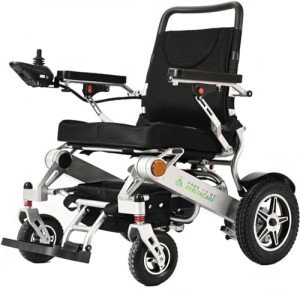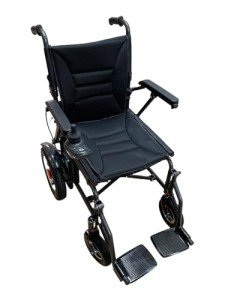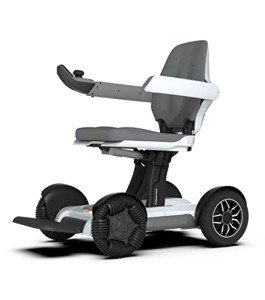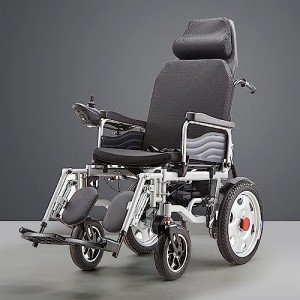

For individuals with mobility challenges, the desire to explore the world, visit family, or simply navigate daily transit should not be hindered by heavy, cumbersome equipment. Traditionally, electric wheelchairs were synonymous with bulk and weight, often requiring specialized hydraulic lifts and modified vans for transport. However, the landscape of mobility technology has shifted dramatically. The emergence of the lightweight electric wheelchair has revolutionized travel, offering a blend of independence, portability, and sophisticated engineering.
This guide explores the intricate details of lightweight electric wheelchairs, their benefits for transit, and what travelers should consider before making a purchase.
Defining the Lightweight Electric Wheelchair
What exactly qualifies a power wheelchair as "lightweight"? While standard power chairs can weigh anywhere from 250 to 450 pounds, lightweight models typically range between 35 and 65 pounds. This significant reduction in weight is achieved through the use of advanced materials such as aerospace-grade aluminum alloys and carbon fiber.
These chairs are designed with a "travel-first" philosophy. This means they are either foldable—shrinking down to the size of a large suitcase—or easily disassembled into a few manageable components that can be lifted by a single person.
Material Innovation
The primary driver behind the weight reduction is the chassis material:
- Aluminum Alloy: Offers an excellent strength-to-weight ratio and is highly resistant to corrosion.
- Carbon Fiber: Representing the pinnacle of lightweight tech, carbon fiber frames are incredibly light yet possess the structural integrity to support significant weight capacities.
Comparison: Standard vs. Lightweight Electric Wheelchairs
To understand the impact of these devices, it is helpful to compare them across several key metrics relevant to travel and transit.
| Feature | Standard Power Wheelchair | Lightweight Travel Power Chair |
|---|---|---|
| Typical Weight | 250 - 450 lbs | 35 - 65 lbs |
| Portability | Requires accessible van/lift | Fits in most car trunks |
| Battery Type | Lead-Acid (Heavy) | Lithium-Ion (Lightweight) |
| Folding Ability | Rarely (usually rigid) | Most models fold in seconds |
| Turning Radius | Can be large | Tight (ideal for narrow aisles) |
| Airline Certified | Difficult/Requires Prep | Often designed for FAA compliance |
Key Features for Seamless Travel and Transit
When selecting a mobility device for travel, certain features become non-negotiable. For the user transitioning from a car to a plane or a train, the following factors ensure a stress-free experience:
1. Lithium-Ion Battery Technology
Modern lightweight chairs almost exclusively use Lithium-Ion (Li-ion) batteries. These are not only lighter than traditional lead-acid batteries but also offer a longer lifespan and faster charging times. However, for air travel, the battery capacity must meet International Air Transport Association (IATA) and Federal Aviation Administration (FAA) regulations.
2. Compact Folding Mechanisms
Many travel chairs feature a "one-touch" folding system. This allows the user or a companion to collapse the chair into a compact form in under five seconds. This is crucial when boarding a bus or stowing the device in the trunk of a rideshare vehicle.
3. Airline Compliance
Travelers must verify that their chair is "airline-approved." This usually means the battery is removable and its Watt-hour (Wh) rating is within the legal limit (typically 300Wh for a single battery or 160Wh each for two batteries).
4. Brushless Motors
Unlike older brushed motors, brushless motors are smaller, quieter, and more efficient. They provide the necessary torque to handle ramps and uneven pavement without adding the bulk associated with traditional motors.
Navigating Different Modes of Transit
The true value of a lightweight electric wheelchair is realized during the transition between different modes of transportation.
Air Travel
The lightweight design minimizes the risk of damage during airport handling. Because these chairs are often compact enough to be brought to the aircraft door (gate-checking), users can maintain their mobility until the very last moment before boarding. Some ultra-light models can even be stored in the overhead compartment if they meet specific size requirements, though this is rare.
Automobiles and Rideshares
One of the greatest barriers for mobility users is the "last mile" of transit. Lightweight chairs can fit into the trunk of a standard sedan or a small SUV. This eliminates the need for expensive vehicle conversions, allowing users to utilize standard taxis or Uber/Lyft services.
Trains and Buses
Public transit often involves narrow aisles and tight boarding ramps. A lightweight chair typically has a smaller footprint and a tighter turning radius, making it easier to navigate the interior of a train carriage or a city bus.
Critical Factors for Prospective Buyers
Before investing in a lightweight electric wheelchair, users should evaluate their specific needs against the chair’s specifications.
Important Considerations List:
- Weight Capacity: Ensure the frame can safely support the user. Most lightweight chairs support up to 220–300 lbs.
- Terrain Capability: Lightweight wheels are often smaller. Users should check if the chair can handle gravel, grass, or cobblestones if they plan to travel internationally.
- Drive Range: Travel typically involves more movement than daily home use. Look for a chair with at least 10–15 miles of range per charge.
- Seat Comfort: Since travel involves long hours, the quality of the seat cushion and the ergonomics of the backrest are vital.
- Joystick Position: Ensure the controller is intuitive and can be moved to either the left or right side depending on the user's preference.
Transit Suitability Matrix
| Mode of Transit | Ease of Use | Key Requirement |
|---|---|---|
| Personal Car | High | Folding capability to fit in the trunk. |
| Rideshare (Uber/Lyft) | High | Ability for the driver to lift ~50 lbs. |
| Commercial Airplane | Medium | FAA-approved removable Lithium battery. |
| Cruise Ships | High | Compact width for narrow cabin doors. |
| Public Bus/Subway | High | Tight turning radius for maneuvering. |
Maintenance for the Frequent Traveler
To ensure the longevity of a lightweight electric wheelchair, especially when exposed to the rigors of travel, a regular maintenance routine is essential:
- Check Fasteners: Vibrations from planes and trains can loosen bolts. Regularly tighten all visible screws and joints.
- Battery Care: Never let the battery completely deplete. For long-term storage between trips, keep the battery at approximately 50% charge.
- Tire Inspection: Most travel chairs use solid, flat-free tires. Check for wear and tear or embedded debris that might affect traction.
- Cleaning: Wipe down the frame after traveling through salt air (near oceans) or dusty environments to prevent corrosion of the electronic components.
Frequently Asked Questions (FAQ)
Can I take my lightweight electric wheelchair on a plane?
Yes, most lightweight electric wheelchairs are designed for air travel. However, the battery must be a dry cell or Lithium-Ion type that meets FAA/IATA Watt-hour limits. It is always recommended to contact the airline 48 hours in advance to inform them of the mobility device.
Do these chairs work on carpet or uneven outdoor surfaces?
Most lightweight chairs perform well on indoor surfaces and paved outdoor paths. While they can handle some uneven terrain, their smaller wheels may struggle on very soft sand or deep gravel compared to heavy-duty, full-sized power chairs.
Is it difficult to switch between manual and electric modes?
No. Most models feature a "freewheel" lever. When engaged, the motors are disengaged, allowing a companion to push the chair like a manual wheelchair. This is particularly useful if the battery runs out of power.
How long does the battery take to charge?
On average, a Lithium-Ion battery for a travel chair takes between 4 to 8 hours to reach a full charge. Many users charge their chairs overnight while at their hotel.
What is the average lifespan of a lightweight power chair?
With proper maintenance, a high-quality lightweight electric wheelchair can last 3 to 5 years or longer. The batteries typically need replacement every 1 to 2 years depending on the frequency of use.
The development of the lightweight electric wheelchair represents a significant milestone in accessible technology. By prioritizing portability without sacrificing power, these devices have dismantled many of the barriers that previously made travel daunting for those with mobility impairments. Whether it is a weekend road trip, a transcontinental flight, or a simple ride to a local restaurant, the lightweight electric wheelchair ensures that the journey is as manageable as the destination. For the modern traveler, these chairs are more than just a piece of equipment; they are a passport to independence.