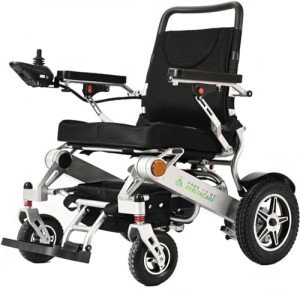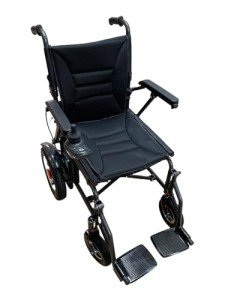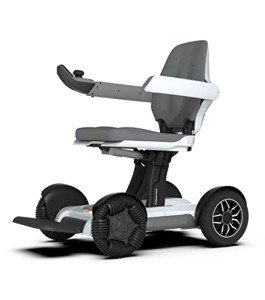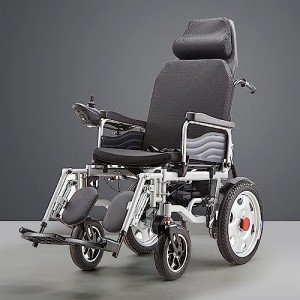

For individuals with limited mobility, the world has often felt smaller than it truly is. Traditionally, mobility scooters were bulky, heavy, and difficult to transport without specialized vehicle lifts. However, a technological revolution in the personal transportation sector has introduced a game-changing solution: the lightweight foldable electric mobility scooter equipped with dual motors.
This modern marvel represents the intersection of aerospace engineering and assistive technology. By combining portability with the increased torque of two motors, these scooters offer a level of freedom previously unimaginable. This guide explores the intricate details of these devices, their benefits, and what potential users should consider before making a purchase.
The Engineering Behind the Design: Lightweight and Foldable
The primary appeal of these scooters lies in their construction. Manufacturers have moved away from heavy steel frames toward high-strength, lightweight materials such as aircraft-grade aluminum and magnesium alloys.
Portability and Storage
The "foldable" aspect of these scooters is achieved through innovative hinge designs that allow the device to collapse into the size of a medium suitcase. This feature is crucial for diverse lifestyles:
- Air Travel: Most lightweight scooters are designed to meet FAA and TSA regulations regarding lithium-ion battery sizes.
- Car Transport: They can easily fit into the trunk of a standard sedan, eliminating the need for expensive van conversions.
- Urban Living: For those in small apartments, a foldable scooter can be tucked away in a closet or under a bed.
The Dual-Motor Advantage: Power Meets Stability
While single-motor scooters are common, the "Dual Motor" configuration is what sets high-performance models apart. Typically, these scooters feature two brushless DC motors integrated directly into the rear wheels.
1. Superior Torque and Incline Performance
A single motor often struggles when encountering steep ramps or hilly terrain. Dual motors distribute the workload, providing significantly more torque. This ensures the scooter maintains a consistent speed even when climbing a 12-degree incline.
2. Enhanced Traction and Safety
With power being delivered to two wheels instead of one, the risk of slippage on wet or uneven surfaces is greatly reduced. If one wheel loses traction on a patch of gravel, the other motor continues to provide the necessary thrust to keep the vehicle moving safely.
3. Redundancy
In the rare event of a mechanical failure in one motor, dual-motor systems often provide a level of redundancy that allows the user to reach their destination safely at a reduced power level, rather than being completely stranded.
Technical Specifications Comparison
When evaluating different models, it is essential to understand how specifications impact daily use. The following table compares three common tiers of lightweight dual-motor scooters.
Table 1: Comparison of Dual-Motor Mobility Scooter Categories
| Feature | Ultra-Lightweight Travel Model | Mid-Range Versatility Model | Heavy-Duty Performance Model |
|---|---|---|---|
| Total Weight | 40 – 50 lbs | 55 – 65 lbs | 70 – 85 lbs |
| Motor Power | 200W x 2 | 250W x 2 | 350W x 2 |
| Weight Capacity | Up to 265 lbs | Up to 300 lbs | Up to 400 lbs |
| Max Speed | 4 mph | 5 – 6 mph | 8 mph |
| Battery Range | 10 – 12 miles | 15 – 18 miles | 20+ miles |
| Turning Radius | 30 – 35 inches | 35 – 45 inches | 45 – 55 inches |
Essential Features to Consider
Not all electric scooters are created equal. To ensure the best user experience, one must look beyond the motor count and weight.
Lithium-Ion Battery Technology
Modern scooters utilize lithium-ion batteries because they are lighter and hold a charge longer than traditional lead-acid batteries. Potential buyers should check for:
- Removability: Can the battery be charged off-board?
- BMS (Battery Management System): Does it protect against overcharging and overheating?
Ergonomics and Comfort
Despite being "lightweight," a scooter must remain comfortable for extended use. Key features include:
- Padded Seating: Look for high-density foam or breathable mesh.
- Adjustable Tillers: The ability to move the steering column closer or further away helps prevent shoulder strain.
- Suspension Systems: Some models offer spring or hydraulic suspension to dampen shocks from cracked sidewalks.
Braking Systems
Safety is paramount. Most high-end dual-motor scooters utilize Electromagnetic Braking Systems. This technology automatically engages the brakes as soon as the user releases the throttle, preventing the scooter from rolling backward on hills.
Who Benefits Most from This Technology?
The versatility of a lightweight dual-motor scooter makes it suitable for a wide demographic.
- The Active Traveler: Those who frequently go on cruises or fly overseas need a device that can be checked as luggage but still handle the cobblestone streets of Europe or the ramps of a cruise ship.
- The Urban Professional: Individuals who commute using public transit can fold their scooter to take it onto buses or trains.
- Seniors Living Independently: For those who wish to maintain their social life, visit parks, or go grocery shopping without relying on others for transportation help.
Maintenance and Longevity
To ensure the scooter performs optimally for years, a regular maintenance schedule should be followed.
Monthly Checklist:
- Tire Inspection: Check for wear and tear. If the scooter has pneumatic (air-filled) tires, ensure they are at the correct PSI.
- Cleaning: Wipe down the frame with a damp cloth to remove dust and debris from folding joints.
- Battery Care: Avoid letting the battery drop to 0%. Charging it after every use helps maintain the lifespan of the cells.
- Tighten Fasteners: Inspect screws and bolts, especially around the folding mechanism, to ensure nothing has loosened due to vibration.
Frequently Asked Questions (FAQ)
1. Are dual-motor scooters allowed on airplanes?
Most models are designed with air travel in mind. However, the battery must be "Travel-Safe" (generally under 300Wh or 160Wh depending on the airline). It is always recommended to notify the airline at least 48 hours in advance.
2. Can these scooters handle grass or gravel?
Because they have dual motors, they perform significantly better on grass and gravel than single-motor models. However, they are still "mobility scooters" and not off-road vehicles. Low-cut grass and packed gravel are usually fine, but deep sand or mud should be avoided.
3. How long does the battery take to charge?
On average, a full charge takes between 4 to 8 hours. Many users choose to charge their devices overnight to ensure a full range for the following day.
4. Is it difficult to fold and unfold the scooter?
Most modern designs prioritize ease of use. Many scooters feature a "one-touch" folding mechanism or even a remote-controlled auto-fold feature, requiring zero physical exertion from the user.
5. What happens if the scooter stops working while I am out?
Most scooters come with a "Free-Wheel" lever. When engaged, this disconnects the motors from the wheels, allowing the scooter to be pushed manually like a standard wheelchair.
The lightweight foldable electric mobility scooter with dual motors is more than just a piece of medical equipment; it is an instrument of empowerment. By solving the dual challenges of transportability and power, these devices allow users to navigate their worlds with confidence and dignity.
By prioritizing high-quality materials, advanced battery technology, and the mechanical advantage of two motors, manufacturers have created a solution that fits seamlessly into the modern, mobile lifestyle. Whether it is a trip to the local mall or a journey across the globe, the dual-motor scooter ensures that mobility is never a barrier to adventure.