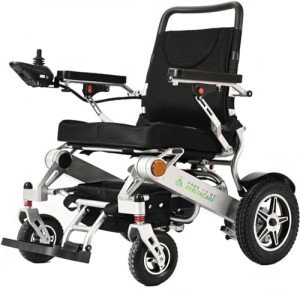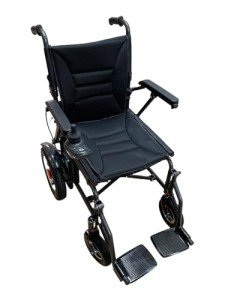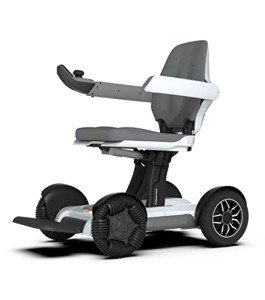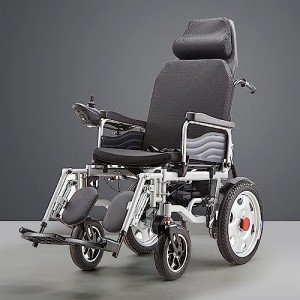


The landscape of personal mobility has undergone a radical transformation over the last decade. For many years, the choice for individuals with limited mobility was often between a heavy, cumbersome power wheelchair that required a specialized van for transport or a manual chair that demanded significant physical exertion. Today, however, the emergence of the lightweight foldable electric wheelchair has bridged this gap, offering a perfect synergy of power, portability, and independence.
This guide explores the intricate details, benefits, and technical specifications of modern lightweight foldable power chairs, providing an objective overview for those considering an upgrade in their mobility equipment.
The Evolution of the Electric Wheelchair
Traditional electric wheelchairs are marvels of engineering, but their sheer mass—often exceeding 200 pounds—makes them difficult to transport without expensive vehicle modifications. The new generation of "lightweight" power chairs typically weighs between 40 and 60 pounds. This reduction in weight is achieved primarily through the use of advanced materials such as aviation-grade aluminum alloys and carbon fiber, combined with high-density lithium-ion battery technology.
Traditional vs. Lightweight Foldable Models
| Feature | Traditional Power Wheelchair | Lightweight Foldable Wheelchair |
|---|---|---|
| Average Weight | 200 - 450 lbs | 40 - 65 lbs |
| Transportability | Requires ramp/lift-equipped vehicle | Fits in standard car trunks |
| Folding Mechanism | Rarely foldable (requires disassembly) | One-touch or 3-second folding |
| Battery Type | Sealed Lead Acid (Heavy) | Lithium-Ion (Light/Removable) |
| Turning Radius | Generally larger | Compact (excellent for indoor use) |
| Primary Use | Heavy-duty, all-terrain | Travel, indoor, and moderate outdoor |
Core Benefits of Lightweight Foldable Models
Transitioning to a foldable electric model offers several practical advantages that improve the daily lives of adults with mobility challenges.
1. Unmatched Portability
The primary draw of these devices is the ability to fold the unit into a compact shape, often no larger than a medium-sized suitcase. This allows the wheelchair to be stored in a closet, placed in the trunk of a sedan, or checked as luggage on an airplane without the need for specialized equipment.
2. Enhanced Independence
Because these chairs are lightweight, they allow users or their companions to manage transportation more easily. An able-bodied companion can typically lift a 50-pound frame into a vehicle, removing the requirement for expensive hydraulic lifts or ramps.
3. Indoor Maneuverability
Modern foldable chairs are often designed with a shorter wheelbase. This results in a tighter turning radius, making it easier to navigate narrow hallways, small bathrooms, and crowded cafes.
Essential Features to Consider
When evaluating different models, several key technical components determine the quality and longevity of the wheelchair.
High-Performance Motors
Lightweight chairs usually employ Brushless DC Motors. These motors are more efficient, quieter, and require less maintenance than their "brushed" predecessors. Dual motors (one for each rear wheel) provide better traction and the ability to climb modest inclines.
Battery Technology and Range
The transition to Lithium-iron-phosphate (LiFePO4) or standard Lithium-ion batteries has been revolutionary. These batteries offer:
- Faster charging times: Often reaching full capacity in 4 to 6 hours.
- Longevity: Lasting for hundreds of charge cycles.
- Travel readiness: Many manufacturers provide "Airline Choice" batteries (usually 10Ah to 12Ah) that meet FAA regulations for air travel.
Control Systems
The joystick controller is the brain of the wheelchair. High-quality models feature 360-degree precision controllers that include:
- Speed adjustment buttons.
- Battery life indicators.
- Audible horns.
- USB charging ports for mobile devices.
Technical Specifications Overview
For a detailed look at what a standard high-quality lightweight foldable electric wheelchair offers, refer to the table below:
| Specification | Typical Measurement/Range |
|---|---|
| Frame Material | Aviation Grade Aluminum Alloy |
| Weight Capacity | 220 lbs to 360 lbs (Heavy duty models available) |
| Maximum Speed | 3.5 - 5.0 mph |
| Driving Range | 10 - 15 miles (Depends on battery and terrain) |
| Maximum Incline | 6 - 8 degrees |
| Tire Type | Solid PU (Flat-free) or Pneumatic (Air-filled) |
| Braking System | Electromagnetic (Stops automatically when joystick is released) |
Selecting the Right Material: Aluminum vs. Carbon Fiber
While both materials are significant upgrades over steel, they serve different user needs:
-
Aviation-Grade Aluminum:
- Pros: Highly durable, cost-effective, and resistant to corrosion.
- Cons: Slightly heavier than carbon fiber.
- Best for: Most users who need a balance of strength and value.
-
Carbon Fiber:
- Pros: Extremely light (often under 40 lbs), sleek appearance, high strength-to-weight ratio.
- Cons: Significantly more expensive.
- Best for: Active travelers and those who frequently lift the chair themselves.
Maintenance and Longevity
To ensure a lightweight foldable electric wheelchair remains in peak condition, a regular maintenance schedule should be followed. Despite their sophisticated electronics, they are relatively easy to care for.
- Weekly Cleaning: Wipe the frame with a damp cloth to remove dust and debris from the folding hinges.
- Battery Care: Avoid letting the battery drain to 0%. It is best to charge the battery after every significant use.
- Tire Inspection: Check for wear patterns or cracks in solid tires, and ensure proper pressure in pneumatic tires.
- Connector Checks: Periodically ensure the wiring connecting the joystick to the motor is secure.
Who Should Choose a Foldable Power Chair?
This category of mobility aid is particularly suited for:
- Frequent Travelers: Those who take cruises, fly, or enjoy road trips.
- Urban Dwellers: Individuals living in apartments or homes where storage space is limited.
- Active Seniors: People who may not have the upper body strength for a manual chair but still want an active social life.
- Part-time Users: Those who only require mobility assistance for long distances or outdoor excursions.
Frequently Asked Questions (FAQ)
1. Are lightweight foldable electric wheelchairs safe on hills?
Most models are designed to handle inclines of 6 to 8 degrees. They are equipped with electromagnetic brakes that engage automatically when the joystick is released, preventing the chair from rolling backward or forward on a slope.
2. Can these wheelchairs be taken on an airplane?
Yes, most are designed for air travel. However, it is essential to check if the battery is "IATA approved." FAA regulations generally require lithium batteries to be under a certain Watt-hour (Wh) rating. Most airlines require the passenger to remove the battery and carry it into the cabin.
3. How long does the battery last on a single charge?
On average, a standard lightweight model will travel between 10 and 15 miles. This range is influenced by the user's weight, the terrain (hilly vs. flat), and whether the chair is driven at maximum speed.
4. Is the seat comfortable for all-day use?
While foldable chairs are designed for portability, many come with memory foam or high-density foam cushions. For users who spend 8+ hours a day in the chair, many manufacturers offer custom orthopedic cushion upgrades.
5. Do they require assembly upon delivery?
In most cases, these wheelchairs arrive almost fully assembled. The user typically only needs to unfold the chair, insert the joystick into the armrest, and charge the battery before the first use.
The lightweight foldable electric wheelchair represents a significant leap forward in empowering adults with mobility limitations. By focusing on high-tech materials and user-friendly designs, manufacturers have created tools that don't just facilitate movement—they facilitate a more spontaneous and unrestricted lifestyle. When selecting a model, individuals should prioritize their specific travel needs, weight capacity requirements, and the reputation of the manufacturer to ensure they invest in a device that will provide freedom for years to come.