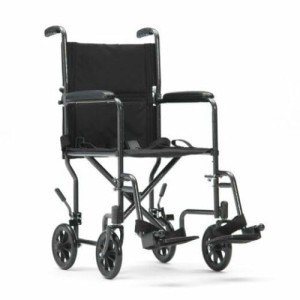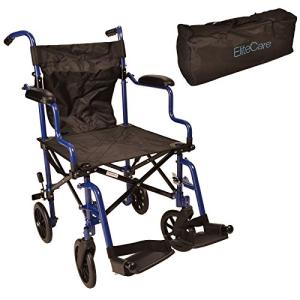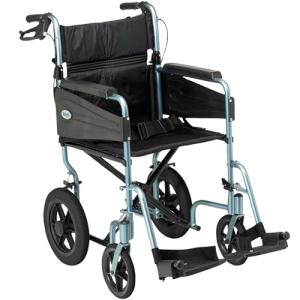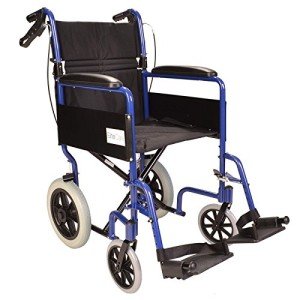


Travel is one of life’s greatest enrichments, providing opportunities to explore new cultures, visit loved ones, and experience the world’s natural wonders. For individuals with limited mobility, however, the logistics of travel can often feel daunting. Fortunately, advancements in medical engineering have revolutionized the way people move. The lightweight folding aluminum wheelchair has emerged as a game-changer for modern travelers, blending durability with unparalleled portability.
This guide explores the features, benefits, and practical considerations of choosing a lightweight aluminum wheelchair designed specifically for the rigors of travel.
Why Aluminum is the Material of Choice
Historically, wheelchairs were constructed from heavy steel, making them cumbersome to lift into vehicles or gate-check at airports. The shift toward aluminum alloys has transformed the industry.
Strength-to-Weight Ratio
Aluminum is renowned for its high strength-to-weight ratio. It provides the structural integrity necessary to support a wide range of body weights while remaining light enough to be lifted with one hand. Most travel-ready aluminum chairs weigh between 18 and 29 pounds, whereas traditional steel chairs can exceed 50 pounds.
Corrosion Resistance
Travel often exposes equipment to various environments, from humid tropical climates to salty coastal air. Unlike steel, aluminum is naturally resistant to rust and corrosion. This ensures that the wheelchair remains functional and aesthetically pleasing even after years of use in diverse weather conditions.
Durability and Longevity
Aluminum alloys, such as 6061 or 7005 grades, are engineered to withstand the shocks and vibrations of uneven European cobblestones or gravel paths in national parks. While lightweight, these frames are designed not to warp or bend under standard usage.
Key Features of Travel-Ready Folding Wheelchairs
When selecting a wheelchair for travel, certain features are non-negotiable. The goal is to maximize the user’s comfort while minimizing the burden on the caregiver or the traveler themselves.
1. The Folding Mechanism
Most aluminum travel chairs utilize a "cross-brace" or "X-frame" design, allowing the chair to fold side-to-side. Some ultra-compact models feature a "half-folding back," where the top half of the backrest folds down, significantly reducing the chair’s vertical profile. This is essential for fitting the chair into small car trunks or overhead compartments on trains.
2. Wheel Design and Versatility
Travel wheelchairs generally fall into two categories:
- Manual Wheelchairs: These have large rear wheels (usually 22–24 inches), allowing the user to self-propel.
- Transport Chairs: These have four small wheels and require a companion to push. They are typically lighter and more compact than manual wheelchairs.
3. Quick-Release Components
High-end aluminum models often feature quick-release rear wheels and removable footrests. By removing these parts, the primary frame becomes even lighter and easier to stow in tight spaces.
4. Swing-Away Footrests and Flip-Up Armrests
These features facilitate easy transfers in and out of the chair, which is particularly helpful in cramped environments like airplane aisles or small hotel rooms.
Technical Comparison of Travel Wheelchair Types
The following table provides a snapshot of the differences between standard aluminum wheelchairs and specialized travel/transport models.
| Feature | Standard Aluminum Manual | Ultra-Lightweight Travel | Lightweight Transport Chair |
|---|---|---|---|
| Typical Weight | 28–34 lbs | 18–24 lbs | 15–22 lbs |
| Weight Capacity | 250–300 lbs | 220–250 lbs | 250–300 lbs |
| Wheel Diameter | 24" Rear / 8" Front | 20–22" Rear / 6" Front | 8–12" Rear / 8" Front |
| Self-Propulsion | Yes | Yes (limited) | No (requires attendant) |
| Folding Style | Side-to-Side | Compact Flat-Fold | Multi-directional Fold |
| Best For | Daily use & outings | Frequent air travel | Airports and shopping malls |
Essential Tips for Traveling with a Folding Wheelchair
Navigating airports, trains, and hotels requires a proactive approach. Here are the best practices for ensuring a smooth journey:
Air Travel and the ADA
In the United States, the Air Carrier Access Act (ACAA) protects the rights of travelers with disabilities. Airlines are required to allow passengers to check their wheelchairs at the gate for free.
- Identify Your Chair: Attach a luggage tag with contact information directly to the frame.
- Remove Loose Parts: Take off seat cushions and removable pouches before gate-checking to prevent them from being lost in transit.
- Request an Onboard Wheelchair: For long-haul flights, request an "aisle chair" in advance to help move from your seat to the lavatory.
Assessing Destinations
Before booking, use digital tools to assess accessibility.
- Google Maps Street View: Check for curb cuts and ramps around your hotel.
- Accommodation Verification: Always call the hotel directly to confirm that an "accessible room" includes a roll-in shower or grab bars, as definitions vary by country.
Maintenance on the Go
A travel toolkit is a vital companion. A small kit should include:
- An Allen wrench set.
- An adjustable wrench.
- A portable tire pump (if the chair has pneumatic tires).
- Cleaning wipes to remove salt or dirt from the frame and upholstery.
The Benefits of a Lightweight Design for Caregivers
While much of the focus is on the user, the caregiver's experience is equally important. Lifting a heavy wheelchair dozens of times throughout a vacation—into cars, onto buses, and over curbs—can lead to back strain and fatigue.
Advantages for the Companion:
- Reduced Physical Strain: Aluminum chairs are significantly easier to maneuver and lift into tall SUVs or luggage racks.
- Increased Mobility Speeds: A lighter chair is easier to push over inclines or long terminal distances, allowing the pair to move more quickly when catching connections.
- Simplified Storage: Compact folding means more room in the vehicle for suitcases and souvenirs.
Frequently Asked Questions (FAQ)
1. Can an aluminum wheelchair be taken on a cruise ship?
Yes. Aluminum wheelchairs are ideal for cruises because they are narrow enough to navigate most cabin doors and hallway corridors. Their corrosion resistance also protects them from the salty sea air.
2. Is a transport chair better than a manual wheelchair for travel?
It depends on the user's independence. If the user can self-propel and wishes to maintain that autonomy, a manual aluminum chair is best. If a companion will be doing all the pushing, a transport chair is usually lighter and more compact.
3. Do lightweight aluminum wheelchairs have weight limits?
Yes. Most lightweight aluminum chairs have a weight capacity ranging from 250 to 300 lbs. Heavy-duty "bariatric" aluminum chairs are available for those requiring a higher weight limit, though they may be slightly heavier.
4. Are solid tires or pneumatic tires better for travel?
Solid (flat-free) tires are generally recommended for travel. While pneumatic (air-filled) tires offer more cushioning, they run the risk of puncturing. Solid tires provide peace of mind, ensuring the traveler won't be stranded with a flat in a foreign city.
5. Can I store my folding wheelchair in the plane’s cabin?
Many modern aircraft have a designated closet for one folding wheelchair. This is available on a first-come, first-served basis. If the closet is full, the chair must be gate-checked.
The development of the lightweight folding aluminum wheelchair has dismantled many of the barriers that once prevented individuals with mobility challenges from exploring the globe. By prioritizing high-grade materials, ergonomic design, and compact foldability, manufacturers have created a tool that provides both freedom and security.
When choosing a model, it is vital to consider the specific needs of the traveler—whether that is the independence of self-propulsion or the extreme lightness of a transport chair. With the right equipment, the world becomes more accessible, allowing everyone to enjoy the journey as much as the destination.