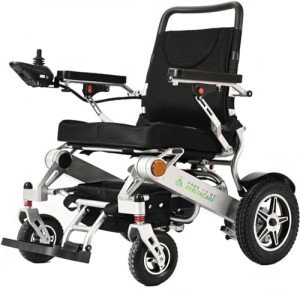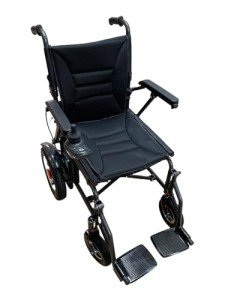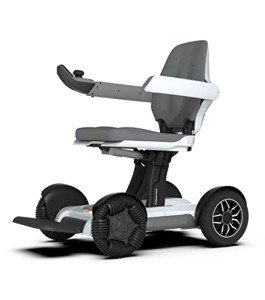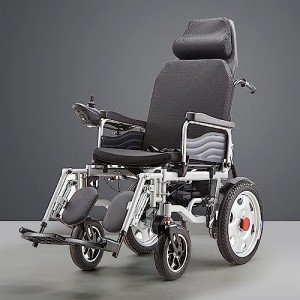

For individuals with mobility challenges, the desire to explore the world, visit family, or simply navigate a local park should not be hindered by heavy, cumbersome equipment. Traditionally, electric wheelchairs were synonymous with bulk—often weighing hundreds of pounds and requiring specialized vans with hydraulic lifts. However, a revolution in mobility technology has introduced the lightweight folding electric wheelchair, a device designed specifically to bridge the gap between high-powered mobility and extreme portability.
This guide explores the features, benefits, and practical considerations of choosing a lightweight folding power chair, providing a comprehensive resource for those looking to regain their travel independence.
The Evolution of Portability in Mobility Aids
The shift toward lightweight designs is primarily driven by advancements in materials science and battery technology. By utilizing aerospace-grade aluminum alloys and carbon fiber, manufacturers have successfully reduced the weight of power chairs to as little as 40 to 60 pounds. When combined with the high energy density of lithium-ion batteries, these chairs offer long ranges without the weight of traditional lead-acid batteries.
Key Benefits of Lightweight Folding Models
- Ease of Transport: These chairs can be folded in seconds, often with a simple one-touch mechanism, making them small enough to fit into the trunk of a standard sedan.
- Air Travel Compliance: Most modern folding chairs are designed with FAA and IATA regulations in mind, allowing users to take their chairs on airplanes.
- Independence for Caregivers: Because the chairs are lightweight, caregivers do not need to exert extreme physical effort to load or unload the device.
- No Specialized Vehicle Required: Unlike traditional power chairs, there is no need to purchase a modified van with a ramp or lift.
Essential Features to Consider
When evaluating a lightweight folding electric wheelchair for travel, several technical specifications dictate how effective the chair will be in real-world scenarios.
1. Frame Material and Durability
The frame determines both the weight and the weight capacity of the chair. Aluminum is the most common material due to its balance of strength and lightness. Carbon fiber is the premium alternative, offering even less weight but usually at a higher price point.
2. Battery Type and Range
For travel, lithium-ion batteries are the industry standard. They are lighter and charge faster than older alternatives. Travelers must ensure the battery’s Watt-hour (Wh) rating is compliant with airline safety standards (typically under 300Wh for a single battery or 160Wh each for dual batteries).
3. Motor and Drive System
Brushless motors are preferred for travel chairs because they are quieter, more efficient, and require less maintenance than brushed motors. They provide the necessary torque to handle inclines while remaining compact.
4. Comparison: Standard vs. Lightweight Folding Power Chairs
| Feature | Standard Power Wheelchair | Lightweight Folding Power Chair |
|---|---|---|
| Weight | 200 – 400 lbs | 44 – 65 lbs |
| Portability | Requires vehicle lift/ramp | Folds for trunk storage |
| Battery Type | Lead-Acid (Heavy) | Lithium-Ion (Light) |
| Turning Radius | Generally larger | Tight (30–33 inches) |
| Primary Use | Heavy daily use/Complex needs | Travel and active lifestyles |
| Air Travel | Difficult/Requires cargo handling | Easy/Gate-check compatible |
Navigating Different Travel Environments
A significant advantage of a lightweight electric wheelchair is its versatility across various modes of transportation.
Air Travel
The process of flying with an electric wheelchair has become significantly more streamlined. Most folding models can be driven to the gate, where the battery is removed (if required) and the chair is folded and gate-checked. This ensures the chair is the last thing loaded and the first thing unloaded, minimizing the risk of damage in the cargo hold.
Cruise Ships
Cruise cabins and corridors are notoriously narrow. A lightweight folding chair’s compact footprint allows it to navigate tight hallways and stay inside standard cabins without blocking the entryway.
Public Transit and Trains
In cities with accessible subways or buses, the tight turning radius of a folding power chair allows the user to maneuver into designated wheelchair spaces with ease. If a bus is not accessible, the chair can be folded and stored in a luggage rack.
Comparing Frame Materials
| Material | Pros | Cons |
|---|---|---|
| Aluminum Alloy | Affordable, sturdy, corrosion-resistant. | Slightly heavier than carbon fiber. |
| Carbon Fiber | Extremely light, high "cool" factor, very strong. | More expensive, can be brittle under high impact. |
| Steel (Hybrid) | Very durable, lowest cost. | Heavy, prone to rust if not coated properly. |
Top Maintenance Tips for Travel-Ready Wheelchairs
To ensures a lightweight folding chair remains reliable during a trip, a regular maintenance schedule is essential:
- Tire Inspection: Check for wear and tear. Many travel chairs use solid, "flat-free" tires to avoid the hassle of punctures while abroad.
- Battery Health: Never let a lithium battery drain to 0%. Charge it after every day of use to maintain its lifespan.
- Joystick Protection: The joystick is the "brain" of the chair. When checking the chair for a flight, it is often wise to remove the joystick or wrap it in bubble wrap to prevent damage.
- Tighten Bolts: Frequent folding and unfolding can loosen bolts over time. A monthly check with a hex key is recommended.
Frequently Asked Questions (FAQ)
Can I take my electric wheelchair on a plane?
Yes. Most lightweight folding electric wheelchairs are designed for air travel. However, users must ensure the lithium-ion battery is "airline-safe." This usually means the battery must be removable and under a certain Watt-hour (Wh) capacity. It is always recommended to contact the airline 48 hours in advance.
How far can these wheelchairs travel on a single charge?
On average, a lightweight folding power chair can travel between 10 and 15 miles on a full charge. This range can be affected by the user’s weight, the terrain (hills vs. flat ground), and the age of the battery.
Are folding electric wheelchairs comfortable for all-day use?
While they may not offer the same level of specialized orthopedic seating as a 300-pound custom power chair, many models features memory foam cushions and ergonomic backrests. For extended travel days, many users choose to add an aftermarket pressure-relief cushion.
Do these chairs work on grass or gravel?
Most lightweight chairs are optimized for paved surfaces, malls, and airports. While they can handle firm grass or packed gravel, they may struggle with deep sand or loose, chunky gravel due to their smaller wheels.
Is it difficult to fold and unfold the chair?
Most modern designs use a "one-touch" or "pull-cord" system that allows the chair to collapse in under five seconds. Unfolding is equally fast, usually clicking into a locked position to ensure safety.
Conclusion: A New Horizon for Mobility
The introduction of the lightweight folding electric wheelchair has effectively dismantled many of the barriers that previously prevented individuals with limited mobility from traveling. By prioritizing portability without sacrificing the power of an electric motor, these devices offer a level of freedom that manual chairs or heavy power chairs cannot match.
Whether it is navigating the cobblestone streets of Europe, moving through a crowded airport, or simply enjoying a weekend getaway at a friend's house, the right folding power chair serves as a reliable companion. As technology continues to improve, these chairs will only become lighter, smarter, and more integrated into the lives of active users worldwide. Investing in a lightweight model is not just a purchase of a mobility aid—it is an investment in the ability to experience the world without limits.