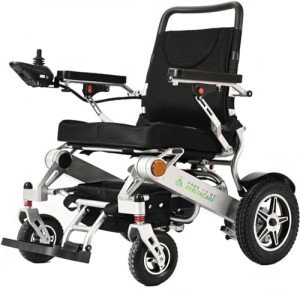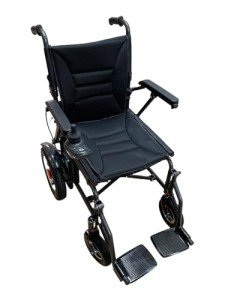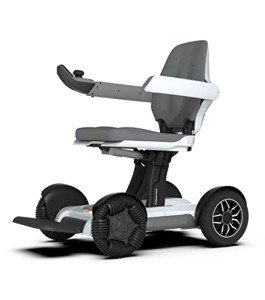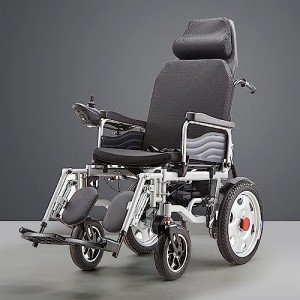

For many seniors, maintaining independence is a primary factor in overall well-being and quality of life. As mobility challenges arise due to age, arthritis, or other health conditions, the transition to assistive devices can be daunting. However, the evolution of mobility technology has introduced a revolutionary solution: the lightweight folding electric wheelchair. These devices combine the power of traditional electric chairs with the portability of manual models, offering a new lease on life for those seeking to remain active in their communities.
The Evolution of Mobility Technology
The history of wheelchairs has transitioned from heavy, cumbersome steel frames to sophisticated, high-tech mobility solutions. In the past, electric wheelchairs were often prohibitively heavy, sometimes weighing over 200 pounds, requiring specialized vans and hydraulic lifts for transport.
Today, the industry focuses on "ultralight" designs. By utilizing materials such as aircraft-grade aluminum and carbon fiber, manufacturers have produced electric wheelchairs that weigh as little as 40 to 60 pounds. This shift has removed the "barrier to entry" for many seniors who live alone or travel frequently with family.
Key Benefits of Lightweight Folding Models
The advantages of choosing a lightweight, foldable model extend beyond simple movement. These devices impact nearly every facet of a senior’s daily life:
- Portability and Travel: These chairs fold in seconds, often into a compact shape similar to a large suitcase. This allows them to fit into the trunks of standard sedans, eliminating the need for expensive vehicle modifications.
- Caregiver Relief: A significant concern for seniors is the physical strain placed on their spouses or caregivers. Lightweight frames make it much easier for a companion to load and unload the device.
- Indoor Maneuverability: Designed with shorter wheelbases, these chairs excel in tight spaces, such as narrow hallways and bathroom doorways commonly found in residential homes.
- Air Travel Accessibility: Most modern lightweight chairs use lithium-ion batteries that are categorized as "travel-safe," allowing seniors to fly with their mobility aids.
Technical Specifications and Comparisons
When selecting a mobility device, understanding the technical specifications is crucial. Seniors and their families must balance the weight of the chair with the power of the motor and the weight capacity of the frame.
Table 1: Comparative Specifications by Category
| Feature | Ultra-Lightweight Models | Standard Folding Models | Heavy-Duty Folding Models |
|---|---|---|---|
| Average Weight | 35 lbs - 45 lbs | 50 lbs - 65 lbs | 70 lbs - 90 lbs |
| Weight Capacity | Up to 220 lbs | Up to 265 lbs | Up to 400 lbs |
| Top Speed | 3.5 - 4 mph | 4 - 5 mph | 4 - 5 mph |
| Drive Range | 8 - 10 miles | 12 - 15 miles | 10 - 13 miles |
| Turning Radius | 31 - 33 inches | 32 - 35 inches | 35 - 39 inches |
Essential Features to Consider
Choosing the right wheelchair involves more than just looking at the price tag. It requires a detailed assessment of the user’s physical needs and their environment.
1. Battery Technology
Modern electric wheelchairs primarily utilize Lithium-Ion batteries. These are preferred over older Lead-Acid batteries because they are significantly lighter and hold a charge longer. Most folding chairs feature a "quick-release" battery mechanism, allowing the battery to be charged either inside the chair or independently at a wall outlet.
2. Motor System
Brushless motors are the gold standard for lightweight chairs. They are quieter, more efficient, and require less maintenance than brushed motors. Usually, these wheelchairs utilize dual-motor systems (one for each rear wheel) to provide better traction and the ability to turn on a dime.
3. Folding Mechanism
There are generally two types of folding mechanisms:
- Manual Folding: A simple pull-lever system that collapses the chair in one or two steps.
- Automatic Folding: Controlled via a remote or a button on the joystick, these chairs fold and unfold using a small internal motor. While convenient, this adds a small amount of weight to the chair.
4. Safety Features
Safety is paramount for senior users. High-quality models include:
- Electromagnetic Brakes: The chair stops automatically as soon as the user releases the joystick.
- Anti-Tip Wheels: Small wheels at the back that prevent the chair from tipping over on inclines.
- Flat-Free Tires: Solid PU tires that ensure the user is never stranded due to a puncture.
Table 2: Feature Checklist for Buyers
| Priority | Feature to Verify | Why It Matters |
|---|---|---|
| Safety | Electromagnetic Braking | Prevents rolling on hills or slopes. |
| Comfort | Memory Foam Seating | Reduces the risk of pressure sores during long use. |
| Travel | Airline Approval | Ensures the battery meets FAA/TSA regulations. |
| Ease of Use | Joystick Placement | Must be switchable for left or right-handed users. |
| Durability | Weather Resistance | Protects the electronics during light rain or spills. |
Enhancing Quality of Life: Practical Use Cases
The utility of a folding electric wheelchair is best understood through practical application. These devices are not just for clinical use; they are lifestyle enhancers.
Social Engagement
Isolation is a common issue among seniors with limited mobility. A lightweight chair allows a senior to navigate parks, museums, and shopping centers without the fatigue associated with a manual wheelchair or a walker. Because the chair can be easily transported in a friend's car, social outings become spontaneous rather than requiring complex logistics.
Navigating the Home
Many seniors hesitate to use power chairs indoors because of the fear of damaging walls or furniture. Lightweight models are characterized by their compact footprint. With intuitive joystick controls, users can navigate around kitchen islands and through bedroom doors with precision, allowing them to perform daily tasks like cooking or reaching the phone with minimal assistance.
Maintenance and Longevity
To ensure the longevity of a folding electric wheelchair, a consistent maintenance schedule is recommended. While these machines are built for durability, their electronic components require care.
Essential Maintenance Tips:
- Battery Care: Avoid letting the battery drain to 0%. Charging it after every major outing helps maintain the chemical balance of the lithium cells.
- Tire Inspection: Regularly check for wear and tear or debris stuck in the treads to ensure maximum traction.
- Fastener Check: Every few months, check the bolts and hinges of the folding mechanism to ensure nothing has loosened during transport.
- Cleaning: Use a damp cloth to wipe down the frame. Avoid using high-pressure water near the joystick or battery compartment.
Frequently Asked Questions (FAQ)
1. Can these wheelchairs be taken on an airplane?
Most lightweight folding electric wheelchairs are designed with air travel in mind. They typically use 12Ah or 20Ah lithium-ion batteries. However, it is essential to check if the battery is "dry-cell" and FAA-approved. It is recommended to notify the airline at least 48 hours in advance.
2. How long does the battery last on a single charge?
On average, a single charge will provide a range of 10 to 15 miles. This varies based on the user's weight, the terrain (hills vs. flat ground), and the age of the battery.
3. Are they difficult to operate for someone with no experience?
No. Most joysticks are highly intuitive. Pushing the stick in the desired direction moves the chair, and letting go stops it. Most models also feature a speed dial, allowing beginners to start at a very slow, controlled pace.
4. Can the chair be pushed manually if the battery dies?
Yes. Almost all electric wheelchairs feature a "freewheel" or "neutral" mode. By flipping a lever on the motors, the drive system disengages, allowing a caregiver to push the chair like a standard manual wheelchair.
5. Does Medicare cover lightweight folding electric wheelchairs?
Medicare Part B may cover power mobility devices if they are deemed "medically necessary" by a doctor. However, specific lightweight folding models are sometimes classified as "lifestyle" products, so it is vital to consult with a medical provider and insurance representative regarding specific model coverage.
The introduction of lightweight folding electric wheelchairs has fundamentally changed the landscape of senior mobility. By prioritizing portability without sacrificing power, these devices offer a practical solution for the modern senior who refuses to be sidelined by physical limitations. Whether it is a trip to the grocery store, a family vacation abroad, or simply moving from the bedroom to the living room, these wheelchairs provide the reliability and freedom that every senior deserves. When choosing a model, focusing on the balance between weight, safety features, and comfort will ensure a purchase that supports an active and independent lifestyle for years to come.