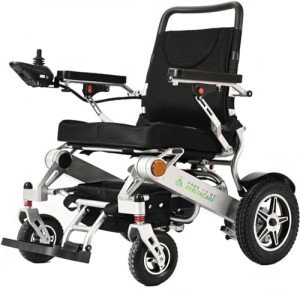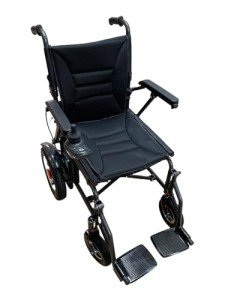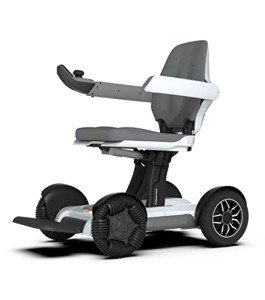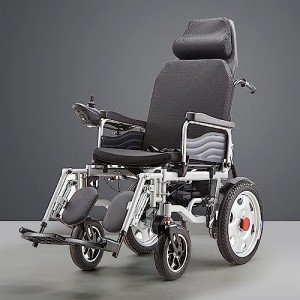





The landscape of personal mobility has undergone a radical transformation over the last decade. For individuals with limited mobility, the prospect of travel—whether it involves a cross-country flight, a Mediterranean cruise, or a simple weekend road trip—once presented a daunting logistical challenge. Traditional electric wheelchairs were often heavy, cumbersome, and required specialized vehicles for transport.
However, the advent of the lightweight folding electric wheelchair has rewritten the rules of engagement for travelers. By combining advanced materials science with sophisticated battery technology, these devices offer a level of independence and portability previously thought impossible. This guide explores the essential features, regulatory considerations, and practical benefits of these modern mobility solutions.
The Evolution of Travel Mobility
Early electric wheelchairs were built for durability and indoor stability, often weighing upwards of 250 pounds. This made them nearly impossible to transport without a hydraulic lift. Modern travel-specific models, however, prioritize weight reduction without compromising structural integrity.
Most contemporary folding electric wheelchairs utilize aerospace-grade aluminum alloys or even carbon fiber. These materials allow the frame to remain rigid and safe while keeping the total weight (excluding batteries) between 35 and 60 pounds. Because they fold into a compact shape—often no larger than a standard suitcase—they can fit into the trunks of compact cars, taxis, and the cargo holds of airplanes.
Why Lightweight Folding Models are Essential for Travel
The primary advantage of these chairs is the elimination of barriers. When a wheelchair can be collapsed in seconds, the user is no longer restricted to specialized "accessible" transport services. They can participate in standard ride-sharing, board trains with ease, and navigate crowded airports with significantly less stress.
Key Benefits Include:
- Space Efficiency: They can be stored in hotel closets or under tables in restaurants.
- User Independence: many models allow the user to fold and unfold the chair themselves or with minimal assistance.
- Versatility: Designed for both indoor use (tight turning radiuses) and outdoor use (light all-terrain capabilities).
Critical Features to Consider
When selecting a lightweight folding electric wheelchair for travel, certain specifications take precedence. It is not merely about how light the chair is; it is about how the chair performs in various environments.
1. Battery Technology and Flight Compliance
The single most important factor for air travel is the battery type and its Watt-hour (Wh) rating. Most travel wheelchairs use Lithium-ion (LiFePO4) batteries because they are light and hold a charge longer than lead-acid counterparts. However, the International Air Transport Association (IATA) and the FAA have strict rules regarding these batteries.
2. Motor Power and Drive System
Travel chairs typically use brushless motors. These are more efficient, quieter, and lighter than traditional brushed motors. A dual-motor system (one for each rear wheel) provides better traction and a "zero-turn" capability, which is essential for navigating narrow hotel hallways or cruise ship cabins.
3. Folding Mechanism
There are two primary folding styles:
- Scissor Fold: Folds from side to side, similar to a manual wheelchair.
- One-Motion Fold: Folds down towards the floor, resulting in a flat, rectangular shape. This is generally preferred for air travel as it is more stable when stacked in cargo holds.
Comparison of Travel Wheelchair Categories
To better understand the options available, the following table compares the three main categories of lightweight folding electric wheelchairs.
| Feature | Ultra-Lightweight Series | Mid-Range Comfort Series | Heavy-Duty Travel Series |
|---|---|---|---|
| Average Weight | 32 - 45 lbs | 46 - 58 lbs | 60 - 75 lbs |
| Weight Capacity | Up to 240 lbs | Up to 300 lbs | Up to 400 lbs |
| Frame Material | Carbon Fiber / Aluminum | Aerospace Aluminum | Reinforced Aluminum |
| Typical Range | 8 - 10 miles | 12 - 15 miles | 18 - 25 miles |
| Wheel Size | 7" Front / 8" Rear | 8" Front / 10" Rear | 8" Front / 12" Rear |
| Best For | Airports and Malls | Suburban sidewalks | Cobblestones and Grass |
Navigating Air Travel with an Electric Wheelchair
Traveling by air with a powered mobility device requires preparation. While the Air Carrier Access Act (ACAA) protects the rights of travelers with disabilities, understanding the technicalities ensures a smoother journey.
Pre-Travel Checklist:
- Notify the Airline: Users should inform the airline at least 48 hours in advance that they will be traveling with an electric wheelchair.
- Verify Battery Specs: Ensure the battery is labeled with its Wh rating. Most airlines allow one battery up to 300Wh or two batteries up to 160Wh each.
- Prepare for Gate Check: It is often best to ride the wheelchair to the boarding gate. At the gate, the chair is tagged, and the user transfers to an aisle chair to board the plane.
- Isolate the Battery: Many airlines require the battery to be removed and carried into the cabin to prevent accidental activation in the cargo hold.
Durability and Maintenance for Travelers
Frequent travel subjects a wheelchair to vibrations, temperature changes, and potential mishandling by baggage handlers. Maintaining the device is crucial for long-term reliability.
- Tire Care: Most travel chairs use solid, puncture-proof tires to avoid the risk of a flat during a trip. These should be inspected for wear and tear periodically.
- Joystick Protection: The joystick is the most vulnerable part of the chair. Using a "joystick cover" or removing the controller entirely before handing it over to airport staff can prevent expensive damage.
- Fastener Checks: Vibrations from travel can loosen bolts over time. A monthly check to ensure all nuts and bolts are tightened is highly recommended.
Frequently Asked Questions (FAQ)
Can a folding electric wheelchair handle rough terrain like gravel or grass?
While lightweight models are primarily designed for paved surfaces, many models now come with "all-terrain" rear wheels (10 to 12 inches) and shock absorbers. They can handle packed gravel and short grass, but they are not intended for deep sand or rugged hiking trails.
How long does it take to charge the battery?
Most lithium-ion batteries used in these chairs take between 5 to 8 hours to reach a full charge. Many travelers find it convenient to charge their chairs overnight in their hotel rooms.
Are these chairs waterproof?
No electric wheelchair is entirely waterproof. They are designed to be "weather resistant," meaning they can handle a light drizzle. However, exposure to heavy rain can damage the joystick and the controller. Users are advised to use a waterproof poncho that covers both the person and the joystick.
Can the chair be pushed manually if the battery dies?
Yes. Most models feature a "freewheel" or "neutral" lever on the motors. When engaged, this disengages the electronic brake, allowing a companion to push the chair like a standard manual wheelchair.
Do I need a special van to transport a folding electric wheelchair?
No. One of the greatest benefits of these chairs is that they fit into the trunk or backseat of almost any standard sedan or SUV. This makes using ride-sharing services like Uber or Lyft significantly easier.
Choosing the Right Model: A Final Checklist
Before making a purchase, a user should evaluate their specific needs against the following criteria:
- Seat Width: Does the seat provide enough room for comfort during long durations?
- Turning Radius: Is the chair agile enough for tight indoor spaces?
- Armrests: Do they flip up to allow for easy side transfers into beds or cars?
- Support: Is the backrest height sufficient for the user's posture needs?
- Warranty: Does the manufacturer offer an international warranty or have service centers in common travel destinations?
The lightweight folding electric wheelchair is more than just a piece of medical equipment; it is a gateway to the world. By prioritizing portability without sacrificing the power and range necessary for a full day of sightseeing, these devices have empowered thousands of individuals to explore new horizons. As technology continues to improve, the gap between "standard" mobility and "travel" mobility continues to close, making the world a more accessible place for everyone.