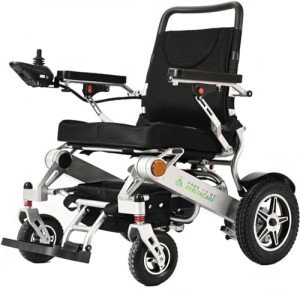
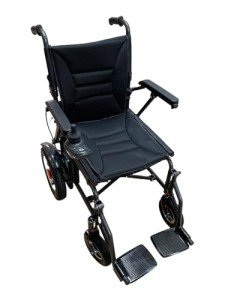
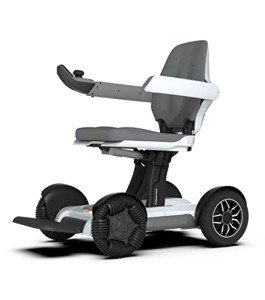
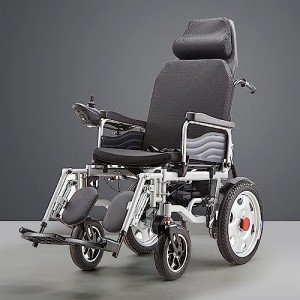
The landscape of personal mobility has undergone a radical transformation over the last decade. Gone are the days when power wheelchairs were synonymous with bulky, heavy frames that required specialized vans and hydraulic lifts for transport. The emergence of the lightweight folding electric wheelchair with joystick control has redefined independence for individuals with limited mobility. By combining aviation-grade materials with sophisticated electronic steering, these devices provide a level of freedom that was previously unattainable.
This guide explores the intricate details, benefits, and technical specifications of modern lightweight folding electric wheelchairs, offering a comprehensive look at how they empower users in their daily lives.
The Evolution of Portability in Mobility Devices
Traditionally, individuals requiring powered mobility had to choose between a heavy-duty electric wheelchair or a smaller mobility scooter. While heavy-duty chairs offered excellent stability, they were nearly impossible to transport without significant modifications to a vehicle. Conversely, manual chairs offered portability but required significant upper-body strength or a dedicated caregiver.
The lightweight folding electric wheelchair fills this gap perfectly. Constructed primarily from aluminum alloys or carbon fiber, these chairs are designed to be lifted by a single person and fit into the trunk of a standard sedan. The integration of "quick-fold" technology allows the device to transition from a full-sized seat to a compact package in under five seconds.
The Precision of Joystick Technology
At the heart of these modern mobility aids is the joystick controller. Unlike traditional steering mechanisms, the joystick offers a 360-degree turning radius that allows for unparalleled maneuverability in tight spaces, such as narrow hallways, elevators, or crowded cafes.
Key Features of Modern Joystick Controllers:
- Proportional Control: The speed of the wheelchair is determined by how far the joystick is pushed. A slight nudge results in a slow crawl, while a full push reaches the maximum programmed speed.
- Programmable Settings: Many controllers allow technicians to adjust acceleration rates, deceleration speeds, and turn sensitivity to match the user’s comfort level.
- Ambidextrous Mounting: Most manufacturers design the joystick to be easily moved from the right armrest to the left, catering to both right-handed and left-handed users.
- Integrated Displays: High-end models feature LCD screens on the joystick module that display battery life, current speed, and mileage.
Technical Specifications and Performance
To understand the capability of these devices, it is essential to look at the hardware that drives them. Below is a detailed breakdown of the typical specifications found in premium lightweight folding electric wheelchairs.
Typical Technical Specifications
| Feature | Specification Range |
|---|---|
| Total Weight (including battery) | 45 lbs – 65 lbs |
| Weight Capacity | 220 lbs – 400 lbs |
| Maximum Speed | 4 mph – 5 mph |
| Driving Range | 10 – 15 miles per charge |
| Motor Type | Dual Brushless Motors (200W - 250W each) |
| Battery Type | Lithium-Ion (24V 6Ah to 20Ah) |
| Turning Radius | 31 inches – 33 inches |
| Frame Material | Aerospace Aluminum Alloy or Carbon Fiber |
Comparative Analysis: Standard vs. Lightweight Folding Models
When choosing a mobility device, it is helpful to compare the lightweight folding category against traditional permanent power chairs to see where the advantages lie.
Comparison Table: Standard vs. Lightweight Folding Electric Wheelchairs
| Feature | Standard Power Wheelchair | Lightweight Folding Electric Wheelchair |
|---|---|---|
| Portability | Low; requires vehicle lift | High; fits in car trunk |
| Weight | 150 lbs – 300+ lbs | 45 lbs – 65 lbs |
| Customization | High (specialized seating/tilt) | Moderate (standardized ergonomic seating) |
| Battery Type | Sealed Lead Acid (Heavy) | Lithium-Ion (Lightweight) |
| Folding Ability | No (must be disassembled) | Yes (one-piece folding) |
| Indoor Use | Good stability, can be bulky | Excellent; tight turning radius |
The Advantages of Lightweight Folding Models
The shift toward lightweight designs isn’t just about the physical weight; it’s about the lifestyle changes the hardware facilitates.
1. Air Travel Compatibility
One of the most significant hurdles for mobility device users has historically been air travel. Lightweight folding wheelchairs often use lithium-ion batteries that are rated for airline travel (typically under 300Wh). Because they fold into a compact size, they are less susceptible to damage in the cargo hold and can sometimes even be stored in the overhead compartment or the onboard closet of larger aircraft.
2. Efficiency of Brushless Motors
Modern chairs utilize brushless motors, which are significantly more efficient than older "brushed" versions. Brushless motors require less maintenance, operate more quietly, and provide a smoother ride. They are also much lighter, contributing to the overall portability of the chair.
3. Ease of Storage
For individuals living in apartments or smaller homes, a traditional power chair can take up a significant amount of floor space. A folding chair can be tucked away in a closet or placed behind a door when not in use, keeping the living area clear of obstructions.
Practical Considerations for the User
While the benefits are numerous, there are several factors an individual should consider before purchasing a lightweight folding electric wheelchair.
Terrain and Outdoor Performance
Because these chairs are designed to be light, they typically have smaller wheels than permanent power chairs. While they excel on flat surfaces like pavement, shopping malls, and indoor flooring, they may struggle on very soft grass or thick sand. Users who plan to spend significant time outdoors should look for models with "honeycomb" or "solid" tires that offer better shock absorption.
Battery Care and Maintenance
Lithium-ion batteries are the lifeblood of the electric wheelchair. To ensure longevity, the battery should be charged regularly and never allowed to drain completely to zero. Most joystick controllers feature a charging port directly underneath the unit, making it easy to plug in without bending down to reach the motor or battery pack.
Maintaining the Joystick
The joystick is a sensitive electronic component. It should be kept dry and clean. Many manufacturers offer "joystick covers" for rainy conditions to prevent moisture from entering the internal circuitry.
Frequently Asked Questions (FAQ)
1. How long does the battery take to charge?
Most lithium-ion batteries used in these wheelchairs take between 5 to 8 hours to reach a full charge. Many users find it most convenient to charge the device overnight.
2. Can the wheelchair be pushed manually if the battery dies?
Yes. Almost all folding electric wheelchairs feature a "freewheel" or "manual" mode. By toggling a lever located near the motors, the electronic brakes are disengaged, allowing a caregiver to push the chair like a standard manual wheelchair.
3. Is the joystick difficult to learn for older adults?
Not at all. The joystick is highly intuitive. Most new users become comfortable with the controls within 15 to 30 minutes of practice in a safe, open environment.
4. What is the weight limit for these chairs?
While it varies by model, most standard lightweight chairs support up to 265 lbs. However, "Heavy Duty" or "XL" versions of folding electric chairs are available that can support up to 400 lbs while still maintaining a relatively low overall weight.
5. Are these chairs covered by insurance?
In many cases, Medicare or private insurance may cover a portion of the cost if the device is deemed a "medical necessity." However, because these are often classified as "travel chairs," it is essential to check with a specific provider for their reimbursement policies.
The lightweight folding electric wheelchair with joystick control represents a pinnacle of user-centric design. By prioritizing both the physical needs of the user and the logistical needs of modern life, these devices have removed many of the barriers associated with mobility impairment. Whether it is navigating a local grocery store, attending a family gathering, or boarding a flight for a vacation, these chairs provide the reliability, ease of use, and portability required to live life without limits. As battery technology continues to improve and materials become even lighter, the future of personal mobility looks brighter and more accessible than ever before.