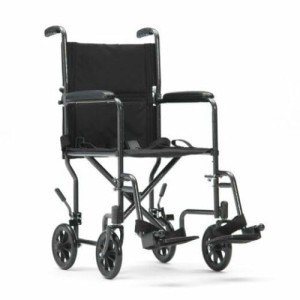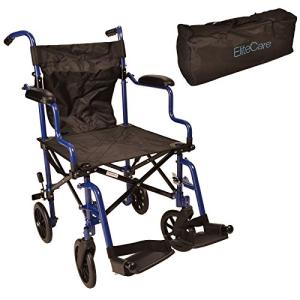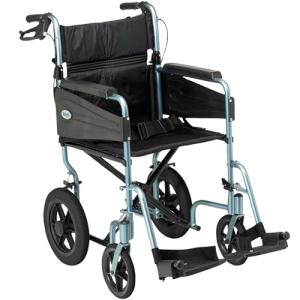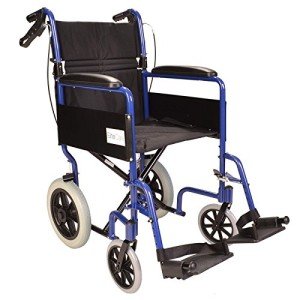





The horizon of global travel has expanded significantly in recent years, not just in terms of destinations, but in terms of accessibility. For individuals with limited mobility, the dream of exploring cobblestone European streets, navigating bustling airport terminals, or embarking on a scenic cruise is no longer sidelined by the logistical nightmare of heavy equipment. The advent of the lightweight folding mobility wheelchair has revolutionized the travel industry, offering a seamless blend of portability, durability, and comfort.
This guide explores the intricate details of these specialized travel companions, providing an informative overview of their benefits, features, and the practicalities of traveling with mobility assistance.
The Evolution of Travel Mobility
Traditionally, wheelchairs were categorized into two extremes: heavy-duty manual chairs that were difficult to transport, or cumbersome power chairs that required specialized vans and lifts. The modern travel wheelchair occupies the vital middle ground. By utilizing advanced metallurgy and innovative engineering, manufacturers have created devices that provide the stability of a standard chair with the weight profile of a piece of luggage.
The primary objective of a lightweight folding wheelchair is to minimize the physical strain on both the user and their companions. Whether it is being lifted into a car trunk or stowed in an airplane’s overhead compartment, the emphasis remains on effortless transitions.
Key Benefits of Lightweight Folding Wheelchairs
Choosing a wheelchair specifically designed for travel offers several distinct advantages over standard domestic models:
- Ease of Transportation: Most travel wheelchairs fold into a compact shape, often resembling a large suitcase. This allows them to fit into the small trunks of taxis or rental cars.
- Reduced Caregiver Strain: A lighter frame means that companions or family members can lift the device without risking back injuries or exhaustion.
- Enhanced Maneuverability: Designed with a shorter wheelbase and smaller turning radius, these chairs are ideal for navigating narrow hotel hallways, cruise ship cabins, and crowded tourist attractions.
- Durability in Diverse Environments: Despite their low weight, these chairs are built to withstand different terrains, from smooth airport floors to slightly uneven outdoor paths.
Critical Features to Consider
When evaluating a lightweight folding wheelchair for travel, several technical specifications must be prioritized to ensure the device meets the traveler’s specific needs.
Frame Material
The weight of the wheelchair is primarily determined by its frame material. High-quality travel chairs typically utilize one of three materials:
Table 1: Comparison of Wheelchair Frame Materials
| Material | Average Weight | Durability | Cost | Best For |
|---|---|---|---|---|
| Steel | High (35+ lbs) | Exceptional | Low | Short trips, budget-conscious users |
| Aluminum | Medium (19–30 lbs) | High | Moderate | Frequent flyers and general travel |
| Carbon Fiber | Ultra-Low (13–18 lbs) | Superior Strength | High | Active travelers, independent use |
Folding Mechanism
A travel wheelchair is only as good as its folding mechanism. There are two primary styles:
- Side-to-Side Fold: Common in manual chairs, where the seat collapses inward. These are generally thinner when folded.
- Flat/Compact Fold: Often seen in "transport" chairs or electric models, where the backrest folds down towards the seat. This creates a boxy, stackable shape.
Wheel Type and Terrain Adaptability
Travelers should consider the wheels based on their destination. Small, solid wheels (often 6 to 8 inches) are excellent for indoor surfaces like malls and airports. However, if the itinerary includes cobblestones or gravel, larger rear wheels with pneumatic (air-filled) or high-density polyurethane tires are preferable to provide better shock absorption.
Manual vs. Electric Lightweight Travel Chairs
The choice between a manual transport chair and a lightweight power chair depends heavily on the user’s physical capabilities and the nature of the trip.
Lightweight Manual Transport Chairs
These are designed to be pushed by a companion. They feature four small wheels rather than the large rear wheels found on self-propelled chairs, which drastically reduces the overall weight.
- Pros: Extremely light, no batteries to manage, lowest maintenance.
- Cons: Requires a companion to push; limited independence for the user.
Lightweight Folding Electric Wheelchairs
Powered by lithium-ion batteries, these models allow users to navigate independently. Modern versions often weigh between 45 and 60 pounds, which is significantly lighter than traditional power chairs.
- Pros: Total independence; effortless navigation on inclines.
- Cons: Heavier than manual chairs; requires battery management and adherence to airline regulations.
Table 2: Manual vs. Electric Travel Wheelchair Comparison
| Feature | Manual Transport Chair | Folding Electric Chair |
|---|---|---|
| Typical Weight | 15 – 25 lbs | 45 – 65 lbs |
| Primary User | Individuals with a caregiver | Independent adventurous travelers |
| Airline Prep | Simple fold and gate-check | Must secure batteries; check motor |
| Cost Range | £150 – £600 | £1,500 – £3,500 |
Navigating Air Travel with a Mobility Device
Air travel is often the most stressful part of a trip for wheelchair users. However, international regulations are designed to assist.
Gate Checking
Most airlines allow travelers to use their lightweight folding wheelchair up to the door of the aircraft. At the gate, the chair is tagged and placed in the cargo hold. Upon arrival, the staff brings the chair back to the aircraft door.
Battery Regulations
For those using electric folding chairs, lithium-ion batteries are subject to strict International Air Transport Association (IATA) guidelines. Most airlines require the battery to be under 300Wh (watt-hours) for travel. It is essential to carry the battery's safety certificate and, in many cases, the battery must be removed and carried into the cabin by the passenger.
Protection and Storage
To prevent damage during transit:
- Use a dedicated travel bag or padded cover.
- Remove detachable parts like footrests and seat cushions before gate-checking.
- Attach a "Handling Instructions" card to the frame in the local language of the destination.
Maintenance Tips for Travelers
To ensure the longevity of a lightweight wheelchair while on the road, travelers should follow a basic maintenance checklist:
- Check Bolt Tension: Vibrations from travel can loosen screws and bolts.
- Tire Inspection: Look for wear and tear or debris stuck in the treads after outdoor excursions.
- Clean the Joints: Dust and sand can interfere with the folding mechanism. A quick wipe-down with a damp cloth keeps the hinges moving smoothly.
- Battery Care: For electric chairs, avoid letting the battery drain completely, especially in cold climates.
Frequently Asked Questions (FAQ)
1. Is a lightweight folding wheelchair comfortable for all-day use?
While travel wheelchairs prioritize portability, many models feature ergonomic seating and breathable fabrics. However, for all-day use, it is recommended to add a high-quality pressure-relief cushion to enhance comfort.
2. Can I take a folding electric wheelchair on a cruise ship?
Yes. In fact, lightweight folding chairs are highly recommended for cruises because standard cabins often have narrow doorways that full-sized power chairs cannot clear. A folding chair can be tucked away in a corner of the cabin to save space.
3. What is the difference between a "Lightweight" and an "Ultra-Lightweight" wheelchair?
Generally, a "lightweight" chair weighs between 25 and 35 pounds. An "ultra-lightweight" model is typically under 20 pounds (for manual) and is often constructed from premium materials like carbon fiber or titanium.
4. Do I need to pay extra to bring my wheelchair on a plane?
No. Under the Americans with Disabilities Act (ADA) and similar international regulations, mobility devices are considered essential medical equipment and do not count toward luggage allowances. They are transported free of charge.
5. How do I know if a chair is sturdy enough for a heavier user?
Every wheelchair has a "Maximum Weight Capacity" listed in its specifications. Most lightweight travel chairs support up to 250 or 300 pounds. Always check the manufacturer's rating to ensure safety and structural integrity.
The development of the lightweight folding mobility wheelchair has significantly lowered the barriers to global exploration. By analyzing the balance between weight, durability, and the specific needs of the traveler, individuals can select a device that provides not just mobility, but true freedom. Whether it is a carbon-fiber manual chair for a quick city break or a folding electric model for an extended international tour, these engineering marvels ensure that the world remains accessible to everyone, regardless of their physical limitations. With the right equipment, the focus of travel remains where it should be: on the experience, the culture, and the journey itself.