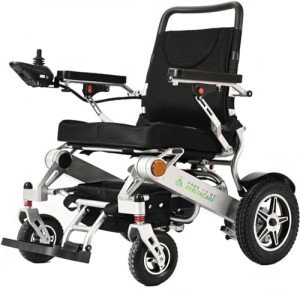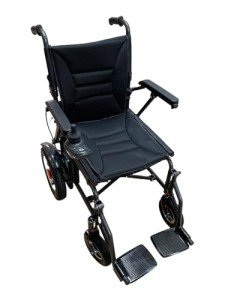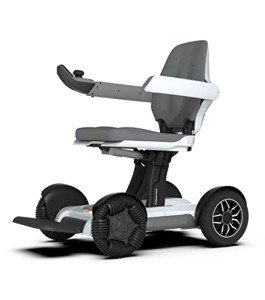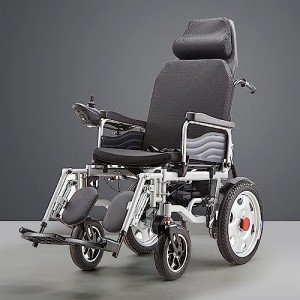

Mobility is a fundamental human right, yet for many individuals with physical disabilities, the landscape of the world remains a series of obstacles. Traditional power wheelchairs have historically been heavy, cumbersome, and restricted to flat, indoor surfaces. However, recent technological advancements have birthed a new generation of mobility aids: the lightweight folding all-terrain power wheelchair. These devices combine the portability of a manual chair with the rugged durability of an off-road vehicle, allowing users to reclaim their independence across diverse environments.
The Evolution of Power Mobility
For decades, power wheelchairs were synonymous with "heavy duty." Most models weighed upwards of 250 pounds, requiring specialized vans with hydraulic lifts for transport. This limited the user's ability to travel spontaneously or visit locations that weren't specifically retrofitted for heavy equipment.
The introduction of lightweight materials and high-energy-density batteries has transformed this landscape. Modern engineering now allows for wheelchairs that provide significant torque and suspension while weighing as little as 50 to 60 pounds. By incorporating folding mechanisms, these chairs can fit into the trunk of a standard sedan, making the world significantly more accessible.
Defining the "All-Terrain" Capability
An all-terrain power wheelchair is designed to handle surfaces that would stall a standard mobility device. This includes gravel paths, grass, cobblestones, and moderately uneven trails. The "all-terrain" designation typically stems from a combination of three factors: motor power, tire design, and suspension systems.
1. Advanced Motor Systems
Most lightweight models utilize dual brushless motors. Unlike traditional motors, brushless systems are more efficient, quieter, and provide higher torque relative to their size. This torque is essential for pushing through soft ground or climbing inclines.
2. Specialized Tire Profiles
The wheels are the primary point of contact with the ground. All-terrain models often feature wider rear drive wheels with deeper tread patterns. While indoor chairs use smooth, non-marking tires, all-terrain versions utilize "knobby" tires that grip loose soil or wet pavement.
3. Integrated Suspension
To protect the user from the jolts of uneven ground, these chairs incorporate shock-absorbing springs or flexible frame components. This is crucial for users with spinal sensitivities or chronic pain.
Key Feature Comparison
When evaluating these devices, it is helpful to understand how materials and specifications differ. The following tables provide a breakdown of common configurations found in the market.
Table 1: Frame Material Comparison
| Material | Average Weight | Durability | Best For |
|---|---|---|---|
| Aviation-Grade Aluminum | 55 - 65 lbs | High | General all-terrain use and frequent travel. |
| Carbon Fiber | 35 - 45 lbs | Very High | Maximum portability; users who lift the chair frequently. |
| Magnesium Alloy | 45 - 55 lbs | Medium-High | A balance of weight and vibration dampening. |
Table 2: Technical Specifications Overview
| Feature | Standard Power Chair | All-Terrain Folding Chair |
|---|---|---|
| Weight | 150 lbs + | 50 - 65 lbs |
| Drive Wheel Size | 8 - 10 inches | 12 - 13 inches |
| Turning Radius | 20 - 30 inches | 30 - 33 inches |
| Max Incline | 6 degrees | 8 - 12 degrees |
| Ground Clearance | 1 - 2 inches | 3 - 5 inches |
| Battery Type | Lead Acid | Lithium-Ion |
Benefits of a Lightweight Folding Design
The primary advantage of these wheelchairs is the intersection of portability and ruggedness. Users no longer have to choose between a chair that is easy to transport and a chair that can handle a park trail.
Portability and Travel
Most lightweight all-terrain chairs use lithium-ion batteries. These are not only lighter but are often designed to be "airline safe" (typically under 300Wh for a single battery or 160Wh each for dual batteries). The ability to fold the chair in seconds without tools means users can transition from a car to a plane or a train with minimal assistance.
Enhanced Independence
Because these chairs can handle grass and gravel, users are no longer confined to the sidewalk. This allows for participation in outdoor family gatherings, visits to local parks, and navigation of older cities with uneven infrastructure.
Storage Efficiency
In smaller homes or apartments, space is at a premium. A folding chair can be tucked into a closet or placed in a corner when not in use, unlike a full-sized power base that requires a dedicated parking spot and proximity to a wall outlet at all times.
Essential Considerations Before Purchasing
Selecting the right wheelchair requires a careful assessment of the user's specific needs and the environments they frequent.
Checklist for Choosing an All-Terrain Power Chair:
- Weight Capacity: Ensure the frame is rated for the user’s weight plus any additional gear (backpacks, oxygen tanks).
- Seat Width: Folding chairs have fixed frame widths; the seat must be wide enough for comfort but narrow enough to fit through standard doorways.
- Battery Range: Consider the average distance required per day. All-terrain use drains batteries faster than flat-surface use.
- Joystick Configuration: Determine if the controller can be moved from the right to the left armrest.
- Braking Systems: Look for electromagnetic braking, which automatically stops the chair when the user lets go of the joystick, even on a slope.
Maintenance and Longevity
To keep a lightweight all-terrain power wheelchair in peak condition, regular maintenance is required. Because these chairs are exposed to more dust, moisture, and vibration than indoor models, the following steps are recommended:
- Clean After Outdoor Use: Wipe down the frame and check the wheel axles for debris like tall grass or mud.
- Battery Care: Avoid letting lithium-ion batteries drop to 0%. Charging them after every use extends their overall lifespan.
- Bolt Inspection: Given the vibration from uneven terrain, users should periodically check that all folding joints and bolts remain tight.
- Tire Pressure: If the chair uses pneumatic (air-filled) tires, maintaining correct pressure is vital for both motor efficiency and ride comfort.
Safety Guidelines
While all-terrain wheelchairs are robust, they are not invincible. Users should always prioritize safety:
- Avoid Deep Water: While most models are water-resistant, the electronics should never be submerged.
- Check Incline Ratings: Do not exceed the manufacturer’s recommended slope percentage To prevent tipping.
- Use Anti-Tip Wheels: Keep the rear anti-tip wheels engaged, especially when navigating curbs or hills.
- Visibility: Since these chairs are often used in parks or near roads, adding reflective tape or lights is highly recommended.
Frequently Asked Questions (FAQ)
Q: Can these wheelchairs be taken on an airplane?A: Yes, most are designed for air travel. However, it is essential to check if the lithium-ion battery meets FAA/TSA guidelines (usually under 300Wh). Users should also notify the airline in advance.
Q: How long does the battery typically last on a single charge?A: Most lightweight models offer a range between 10 to 15 miles. This distance can decrease depending on the user's weight, the steepness of the terrain, and the age of the battery.
Q: Are all-terrain chairs waterproof?A: Most are "weather-resistant," meaning they can handle light rain. They are not waterproof. Covering the joystick with a plastic protector during a downpour is a common best practice.
Q: Do these chairs require a special vehicle for transport?A: No. One of the main selling points is that they fold down to the size of a large suitcase, fitting into the trunk or backseat of most standard cars.
Q: Can the chair be pushed manually if the battery dies?A: Yes. Most models feature a "freewheel" mode or a clutch that disengages the motors, allowing a caregiver to push the chair like a standard manual wheelchair.
The lightweight folding all-terrain power wheelchair represents a significant leap forward in assistive technology. By stripping away the weight of traditional models and adding the durability needed for the outdoors, these devices offer a "no-compromise" solution for individuals with limited mobility. Whether it is navigating a suburban sidewalk, a gravel garden path, or an airport terminal, these chairs empower users to move through the world with confidence and independence.