
For individuals with limited mobility and their caregivers, the weight of a wheelchair is often the deciding factor between a successful outing and a stressful ordeal. Traditional wheelchairs can be cumbersome, weighing anywhere from 15kg to 25kg, making them difficult to lift into a car trunk or navigate through an airport.
The emergence of ultra-lightweight folding travel wheelchairs—specifically those weighing under 10kg—has revolutionized the way people approach travel. These devices prioritize portability without sacrificing safety. This guide explores the features, benefits, and considerations of choosing a wheelchair in this elite weight category.
Why the 10kg Threshold Matters
The "under 10kg" mark is a significant benchmark in mobility design. Mathematically, 10kg is approximately 22 pounds, which is the average weight of a medium-sized dog or a large carry-on suitcase. For many caregivers, including elderly spouses or smaller individuals, lifting 10kg is manageable, whereas lifting 15kg or more can lead to back strain or injury.
When a wheelchair falls under this weight limit, it transitions from being a piece of heavy equipment to a portable travel accessory. It becomes viable for air travel, public transport, and quick trips to the grocery store.
Key Features of Ultra-Lightweight Travel Wheelchairs
To achieve a weight of under 10kg, manufacturers must utilize advanced engineering and high-grade materials. Below are the primary features that define these chairs:
1. Aerospace-Grade Materials
Most chairs in this category are constructed from aluminum alloys (such as 6061 or 7005 series) or, in high-end models, carbon fiber. These materials offer a high strength-to-weight ratio, ensuring the frame remains rigid and safe despite its lightness.
2. Compact Folding Mechanisms
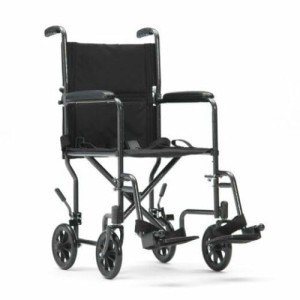
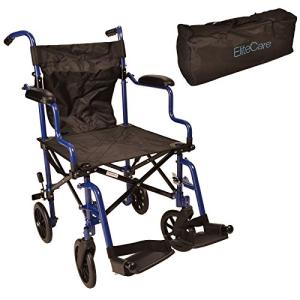
Unlike standard wheelchairs that simply fold in half vertically, many travel models offer "double-folding" or "suitcase-folding" capabilities. The backrest typically folds down, and the footrests are either swing-away or removable, allowing the chair to fit into a compact carry bag.
3. Transit-Style Wheels
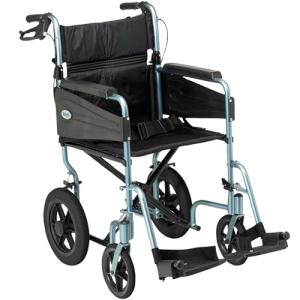
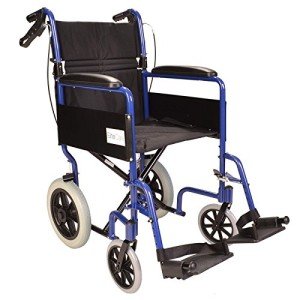
To keep weight at a minimum, most wheelchairs under 10kg are "transit" or "transport" chairs. These feature smaller rear wheels (usually 8 to 12 inches) rather than the large 24-inch wheels found on self-propelled units. This design requires a caregiver to push the user but significantly reduces the overall bulk of the device.
Comparison of Common Ultra-Lightweight Wheelchair Specifications
The following table provides an overview of what users can expect from typical high-quality models in the sub-10kg category.
| Feature | Standard Light Model | Ultra-Light Carbon Model | Compact Transit Model |
|---|---|---|---|
| Total Weight | 9.2 kg | 6.8 kg | 8.5 kg |
| Frame Material | Aluminum Alloy | Carbon Fiber | Aircraft-Grade Alu |
| Max User Weight | 100 kg | 100 kg | 115 kg |
| Seat Widths | 16" - 18" | 17" | 18" |
| Folded Dimensions | 75 x 25 x 70 cm | 60 x 30 x 65 cm | 70 x 28 x 70 cm |
| Wheel Type | Solid PU | Solid Rubber | Solid PU |
The Benefits of Choosing a Sub-10kg Wheelchair
Investing in an ultra-lightweight model offers several physiological and lifestyle advantages.
Ease of Transportation
The primary benefit is the reduction of physical exertion. For travelers, this means the chair can be gate-checked at an airport with ease or placed in the overhead bin of some larger aircraft (depending on the specific airline and model).
Versatile Storage
Space is often at a premium in modern vehicles or city apartments. A wheelchair that weighs under 10kg almost always folds into a footprint smaller than a standard stroller, fitting into the footwell of a car or a small closet.
Reduced Caregiver Burnout
Caregiving is physically demanding. Reducing the weight of the "dead lift" when moving equipment in and out of a vehicle can significantly reduce the risk of repetitive strain injuries for the person assisting the user.
Considerations Before Purchasing
While the lightweight nature of these chairs is a major selling point, there are trade-offs that buyers should consider:
- Terrain Limitations: Smaller transit wheels are ideal for smooth surfaces like malls, airports, and paved sidewalks. They may struggle on gravel, thick grass, or uneven cobblestones.
- User Independence: Since most sub-10kg chairs have small wheels, the occupant cannot propel themselves. This makes the user dependent on a companion.
- Weight Capacity: Some (though not all) ultra-lightweight chairs have lower maximum user weight capacities. It is essential to check that the chair is rated for the user's specific weight.
- Comfort vs. Portability: To save weight, these chairs often have thinner padding. For long-term daily use (6+ hours a day), an additional pressure-relief cushion may be required.
Essential Components Checklist
When shopping for a lightweight travel wheelchair, ensure the following components meet the user's needs:
- Brakes: Look for attendant-operated handbrakes on the handles for better control on slopes.
- Footrests: Ensure they are adjustable in height to prevent leg fatigue.
- Upholstery: Breathable, nylon fabrics are preferred for travel to keep the user cool.
- Armrests: Padded armrests provide comfort, while "desk-length" armrests allow the user to sit closer to tables.
Travel Tips for Wheelchair Users
Traveling with a sub-10kg wheelchair opens up many possibilities. Here are some tips to ensure a smooth journey:
- Label Everything: Attach a permanent tag with contact information to the frame of the chair.
- Check Airline Policies: While many light chairs are "travel-friendly," always inform the airline 48 hours in advance that a mobility aid will be brought on board.
- Carry a Tool Kit: A small multi-tool for tightening bolts and a portable pump (if the tires are pneumatic) can prevent minor issues from ruining a trip.
- Use a Travel Bag: Utilizing a padded carry bag protects the aluminum frame from scratches and prevents the wheels from snagging on other luggage.
Maintenance of Lightweight Chairs
Despite their delicate weight, these chairs are designed for durability. However, they require regular maintenance:
- Wipe Down Frames: Especially after exposure to rain or salt air near the ocean.
- Check Folding Joints: Ensure the pivoting points are free of debris and lightly lubricated.
- Inspect Brakes: Since these chairs are often used on various terrains during travel, ensuring the brake pads grip the tires firmly is a critical safety step.
Frequently Asked Questions (FAQ)
1. Can a wheelchair under 10kg be taken on a plane?
Yes. Most airlines allow wheelchairs to be gate-checked free of charge. Some ultra-compact models that fold down into a very small size may even be permitted in the overhead cabin, though this is subject to the crew's discretion and the aircraft's size.
2. Is an aluminum chair better than carbon fiber?
Aluminum is generally more affordable and very durable. Carbon fiber is lighter and offers more "flex," which can absorb some vibrations from the ground, but it is significantly more expensive.
3. Are these chairs suitable for tall individuals?
Many lightweight chairs have standard seat heights. However, taller users should check the "backrest height" and "seat-to-floor height" to ensure their legs are not uncomfortably bent and their back is supported.
4. Can I add a cushion to a lightweight travel chair?
Absolutely. While adding a cushion increases the weight during use, most cushions can be removed and carried separately during the folding and lifting process.
5. Do these chairs come with a warranty?
Most reputable manufacturers offer a warranty on the frame (often 1–5 years) and a shorter warranty on "wearable" parts like tires and upholstery.
A lightweight folding travel wheelchair under 10kg is an invaluable tool for maintaining an active lifestyle. By prioritizing high-grade materials and clever folding designs, these chairs remove the physical barriers associated with traditional mobility aids. While they may not be the primary choice for rugged off-road adventures or for those who prefer to self-propel, they represent the gold standard for travel, transit, and convenience. When choosing a model, always balance the need for low weight with the necessity of user comfort and safety to find the perfect travel companion.