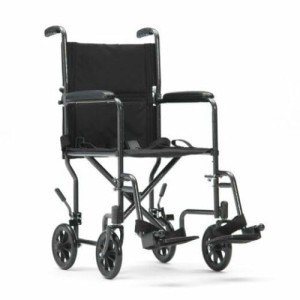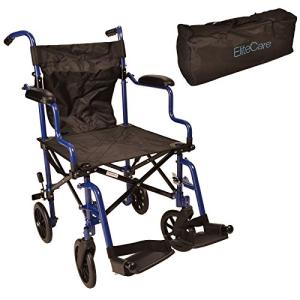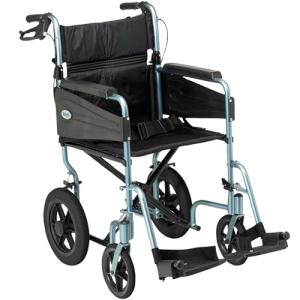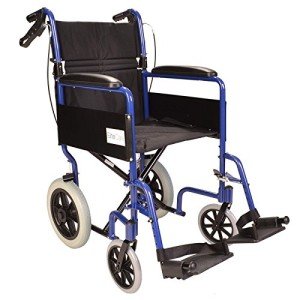

For individuals with limited mobility, the desire to explore new destinations, visit family, or simply enjoy a day trip shouldn’t be hindered by bulky, cumbersome equipment. The evolution of mobility nitrogen has led to the development of the lightweight folding travel wheelchair—a specialized category of transit chairs designed specifically for portability and ease of use.
Among these, models equipped with hand brakes stand out as the gold standard for safety and control. This guide explores the features, benefits, and technical considerations of choosing a lightweight folding travel wheelchair with hand brakes, ensuring that every journey is as smooth as possible.
The Evolution of Travel Mobility
Traditionally, wheelchairs were heavy, rigid structures that required significant effort to transport. The modern travel wheelchair, however, prioritizes a "minimalist yet functional" design. By utilizing aerospace-grade aluminum and durable nylon fabrics, manufacturers have managed to reduce the weight of these chairs to as little as 15 to 25 pounds without compromising structural integrity.
The addition of a folding mechanism allows the chair to collapse into a compact shape, often no larger than a piece of checked luggage. When combined with integrated hand brakes, these chairs provide a level of security that allows both the user and the caregiver to navigate inclines and uneven terrain with confidence.
Key Features of Lightweight Folding Travel Wheelchairs
When evaluating these mobility aids, several features distinguish a high-quality travel chair from a standard manual wheelchair.
1. Ultra-Lightweight Frames
Most travel wheelchairs utilize aluminum alloys. Aluminum provides an excellent strength-to-weight ratio, meaning the chair can support a significant user weight (often up to 250 or 300 lbs) while remaining light enough for a caregiver to lift into a car trunk or an airplane’s overhead bin.
2. Advanced Folding Mechanisms
The "folding" aspect usually involves two components:
- Side-to-Side Fold: The seat collapses inward, bringing the armrests together.
- Fold-Back Backrest: The top half of the backrest folds down, significantly reducing the vertical height of the chair for storage in small spaces.
3. Integrated Hand Brake Systems
Unlike standard manual wheelchairs that only feature wheel locks (parking brakes) on the large rear wheels, travel wheelchairs—which typically have smaller rear wheels—often feature "attendant-controlled" hand brakes located on the push handles. These operate similarly to bicycle brakes, allowing the caregiver to slow down the chair while walking down ramps or hills.
Why Hand Brakes are Essential for Travel
The inclusion of hand brakes is not merely a luxury; it is a critical safety feature. When traveling, one often encounters unfamiliar environments, including steep ramps, cobblestone streets, and public transport platforms.
Benefits of Hand Brakes:
- Controlled Descent: Prevents the chair from gaining too much momentum on slopes.
- Safety for the Caregiver: Reduces the physical strain on the person pushing the chair, as they don't have to rely solely on their body weight to stop the chair.
- Instant Parking: Many hand brakes include a locking loop mechanism, allowing the chair to be securely "parked" with a simple click.
Table 1: Comparison of Wheelchair Types
| Feature | Standard Manual Wheelchair | Lightweight Travel Wheelchair |
|---|---|---|
| Average Weight | 35 – 50 lbs | 15 – 25 lbs |
| Rear Wheel Size | Large (20-24 inches) | Small (8-12 inches) |
| Primary Use | Daily independent use | Travel and transit |
| Portability | Requires large trunk space | Fits in small trunks/closets |
| Brake Type | User wheel locks | Attendant hand brakes + wheel locks |
| Self-Propulsion | Yes | No (requires an attendant) |
Technical Specifications to Consider
Before purchasing a lightweight folding travel wheelchair, it is vital to look at the technical specifications to ensure it meets the specific needs of the user.
Weight Capacity vs. Chair Weight
It is a common misconception that a lighter chair is weaker. However, it is essential to check the maximum weight capacity. Most standard models support 220–250 lbs, but "heavy-duty" or bariatric travel models are available that support 300+ lbs while maintaining a folding design.
Seat Width and Depth
Comfort is paramount during travel. Seat widths generally range from 16 to 20 inches. A seat that is too narrow will be uncomfortable, while one that is too wide may not provide enough lateral support and might make the chair too bulky for narrow doorways.
Wheel Material
Travel wheelchairs typically use solid polyurethane or EVA foam tires. These are "flat-free," meaning they do not require air and cannot be punctured—a vital feature when you are away from home and unable to perform repairs.
Table 2: Checklist for Buying a Travel Wheelchair
| Category | What to Look For | Why it Matters |
|---|---|---|
| Material | Aluminum or Carbon Fiber | Ensures the chair is light enough to lift. |
| Brakes | Loop-lock Hand Brakes | Provides safety on inclines and ease of parking. |
| Footrests | Swing-away or Removable | Makes it easier for the user to get in and out. |
| Folded Size | Under 12 inches width | Must fit in your specific vehicle or storage area. |
| Armrests | Padded or Desk-length | Comfort and the ability to sit close to tables. |
Practical Tips for Traveling with a Folding Wheelchair
Moving through airports or train stations with a mobility device requires some preparation. Here are some lists of tips to ensure a smooth experience.
Navigating Air Travel:
- Gate Checking: Most airlines allow you to "gate check" your wheelchair. This means you can use the chair through the airport and up to the door of the plane. The staff will then store it in the cargo hold and have it waiting for you at the jet bridge upon arrival.
- Tagging: Always attach a tag with your contact information directly to the frame of the chair.
- Remove Accessories: Before handing the chair to baggage handlers, remove the seat cushion and any detachable footrests to prevent them from getting lost or damaged.
Maintenance on the Go:
- Tighten Bolts: Vibrations from travel can loosen bolts. Carry a small Allen wrench or multi-tool.
- Clean the Axles: Hair and lint can wrap around the small wheels of travel chairs. Regularly check and clear the axles to ensure a smooth roll.
- Brake Check: Test the tension of the hand brakes before every trip, especially if the chair has been folded and stowed for a long period.
Frequently Asked Questions (FAQ)
Q: Can the user propel themselves in a travel wheelchair?A: Generally, no. Travel wheelchairs are designed as "transport chairs," meaning they have four small wheels rather than two large rear wheels. They require an attendant or caregiver to push the chair.
Q: Are these chairs comfortable for all-day use?A: While travel chairs are designed for portability, many offer padded upholstery and ergonomic backrests. However, for all-day use, many users choose to add a specialized pressure-relief cushion.
Q: Will a travel wheelchair fit in the overhead bin of an airplane?A: Some ultra-compact models are designed to fit in overhead compartments, but most standard folding travel chairs are slightly too large and must be gate-checked. Always check the folded dimensions against the airline's requirements.
Q: How do the hand brakes work?A: The hand brakes are located on the handles used by the person pushing. Squeezing the levers slows the chair down. Most models also feature a "click-to-lock" mechanism that acts as a parking brake.
Q: Is assembly required?A: Most lightweight folding chairs arrive nearly fully assembled. Usually, you only need to attach the footrests, which typically snap into place without tools.
A lightweight folding travel wheelchair with hand brakes is more than just a piece of medical equipment; it is a tool for independence and inclusion. By significantly reducing the weight and bulk associated with traditional wheelchairs, these devices open up the world to those who might otherwise stay home.
When choosing a model, prioritize the quality of the braking system and the ease of the folding mechanism. With the right chair, the focus shifts from the logistical challenges of mobility to the joy of the destination. Whether it is navigating the corridors of a museum or the pathways of a public park, the combination of lightweight design and safety-focused hand brakes ensures that both the user and their companion can travel with peace of mind.