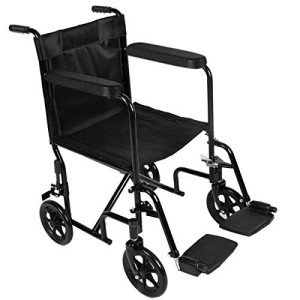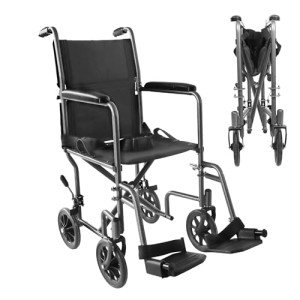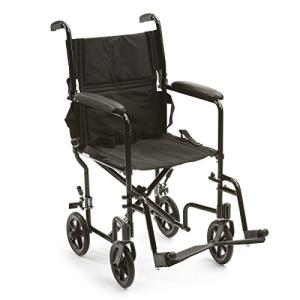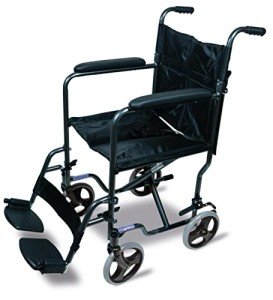


The landscape of mobility aids has undergone a significant transformation over the last decade. As technology advances and ergonomic research deepens, the focus has shifted from mere functionality to holistic user experience. Among the most impressive innovations in recent years is the development of the lightweight folding wheelchair equipped with 360° adjustable handlebars. This specific combination addresses the three most critical pain points for users and caregivers: weight, portability, and maneuverability.
This guide explores the intricate design of these wheelchairs, the practical benefits of omnidirectional handling, and how they are redefining independence for individuals with limited mobility.
The Evolution of Manual Wheelchairs
For decades, manual wheelchairs were heavy, steel-framed structures that were difficult to transport and even harder to maneuver in tight spaces. The introduction of aircraft-grade aluminum and carbon fiber materials revolutionized the industry by significantly reducing the "tare weight" of the chair. However, a lightweight frame is only half the battle.
The true innovation lies in the interface between the human and the machine. Traditional fixed handles often force caregivers into awkward postural positions, leading to wrist strain and back pain. The integration of 360° handlebars solves this biomechanical hurdle, allowing for a more natural range of motion.
Decoding the 360° Handlebar Innovation
The 360° handlebar is not merely a handle that rotates; it is a multi-axis adjustment system. These handles can typically be rotated horizontally and vertically, allowing the pusher to find the exact angle that suits their height and arm length.
Why 360° Rotation Matters
- Tight Space Navigation: When navigating narrow hallways or crowded elevators, the ability to rotate the handles allows the caregiver to stand closer to the chair or at a slight angle, reducing the total footprint of the unit.
- Ergonomic Customization: Different caregivers have different heights. A fixed handle might be too low for a tall person or too high for a shorter person. 360° handles can be tilted to accommodate the "neutral wrist" position, preventing repetitive strain injuries.
- One-Handed Control: Many 360° systems are designed to allow for better leverage, making it possible to steer the chair with one hand if the handles are positioned correctly, which is nearly impossible with standard vertical grips.
Key Features of Lightweight Folding Wheelchairs
To understand why these models are highly sought after, one must look at the synergy of their components. Below are the primary features that define high-end lightweight folding models.
Advanced Material Composition
Most modern lightweight wheelchairs utilize 6061-T6 aluminum alloy. This material offers a high strength-to-weight ratio, ensuring the chair remains durable enough for outdoor use while being light enough for a petite caregiver to lift into a vehicle trunk.
Precision Folding Mechanisms
The folding mechanism typically utilizes a "cross-brace" or "X-frame" design. When the seat is pulled upward, the sides collapse inward. High-end models often include a "half-folding backrest," which allows the top half of the chair to fold down, further reducing the vertical space the chair occupies.
Enhanced User Comfort
Despite the focus on being lightweight, comfort is not sacrificed. Features usually include:
- Breathable, antimicrobial upholstery.
- Shock-absorbing front casters.
- Swing-away footrests for easy ingress and egress.
Technical Specifications Comparison
When selecting a mobility device, technical data provides a clear picture of performance. The following table compares a standard manual wheelchair with a high-performance lightweight folding model with 360° handlebars.
Table 1: Standard vs. Advanced Mobility Models
| Feature | Standard Manual Wheelchair | Lightweight 360° Handlebar Model |
|---|---|---|
| Material | Heavy Steel | Aircraft-Grade Aluminum / Magnesium |
| Average Weight | 35 lbs - 45 lbs (16 kg - 20 kg) | 19 lbs - 26 lbs (8.5 kg - 12 kg) |
| Handlebar Type | Fixed / Rigid | 360° Adjustable / Ergonomic |
| Folding Width | 12 - 14 inches | 9 - 11 inches |
| Max Weight Capacity | 250 lbs | 220 lbs - 300 lbs |
| Backrest | Fixed | Half-Folding |
| Primary Use | Hospital/Short Term | Daily Use/Active Travel |
The Benefits for Caregivers and Users
The integration of 360° handlebars provides distinct advantages for two different groups: the occupant and the attendant.
For the Caregiver
Caregiver fatigue is a significant factor in long-term home care. Pushing a wheelchair for several hours can lead to physical exhaustion.
- Reduced Friction: High-quality 360° handles often include integrated braking systems, allowing for better control on inclines.
- Customized Grips: The handles can be turned inward to provide a wider pushing stance, improving stability.
- Ease of Transport: Because these chairs are designed to be lightweight, the physical toll of loading the chair into a car is drastically reduced.
For the User
- Independence: Because the chair is lightweight, users with enough upper body strength can self-propel more easily or assist in the folding process.
- Sociability: The compact nature of these chairs allows users to visit restaurants, theaters, and homes that may not be fully ADA-compliant with larger, heavier wheelchairs.
- Aesthetics: Modern lightweight chairs often feature sleek, minimalist designs that look significantly less "medical" than traditional models.
Maneuverability and Handlebar Dynamics
To further illustrate the difference handles make, let us look at how 360° handles compare to traditional grips in real-world scenarios.
Table 2: Maneuverability Comparison
| Scenario | Traditional Fixed Handles | 360° Adjustable Handles |
|---|---|---|
| Navigating Curbs | Requires downward pressure; fixed angle limits leverage. | Handles can be angled to maximize downward leverage. |
| Inclines/Ramps | Puts high stress on wrists and forearms. | Handles can be rotated to allow a "palms down" or "palms in" grip to utilize different muscle groups. |
| Storing in Car | Handles may protrude, making it hard to fit in small trunks. | Handles can be folded flat against the frame to save space. |
| Descending Hills | Requires a firm, static grip; high risk of slipping. | Ergonomic shape allows for a more secure, wrap-around grip for safety. |
Safety Considerations
While the focus is often on convenience, safety remains paramount. Lightweight folding wheelchairs with 360° handlebars are engineered with several safety protocols:
- Anti-Tip Wheels: Due to their light weight, these chairs are more susceptible to tipping backward on steep inclines. Most models include small rear wheels to prevent this.
- Dual Braking Systems: These usually include a "push-to-lock" wheel brake for the user and a "handbrake" located on the 360° handles for the attendant.
- Positive Locking Joints: The handles use a locking mechanism to ensure they do not shift positions unexpectedly while the chair is in motion.
Frequently Asked Questions (FAQ)
1. How much does a lightweight folding wheelchair typically weigh?
A standard "lightweight" model usually weighs between 19 and 28 pounds. Ultra-lightweight models made of carbon fiber can weigh as little as 14 pounds, though these are often much more expensive.
2. Can the 360° handlebars be locked in place?
Yes. These handlebars are designed with quick-release or screw-lock mechanisms. Once the caregiver finds the desired angle, the handle is locked firmly to ensure stability during use.
3. Are these wheelchairs suitable for outdoor use?
Absolutely. While they are lighter, they are built with durable alloys and solid or pneumatic tires that can handle sidewalks, manicured park paths, and shopping mall floors. However, they may not be suitable for extreme off-road terrain.
4. How do I maintain the 360° handle mechanism?
Maintenance is minimal. It is recommended to check the locking joints once a month for tightness and to wipe down the rotation points with a dry cloth to prevent dust buildup.
5. Will a lightweight folding chair fit in the trunk of a small sedan?
In almost all cases, yes. One of the primary selling points of these chairs is their compact folding size. With the backrest folded down and the 360° handles tucked in, they are roughly the size of a large suitcase.
The lightweight folding wheelchair with 360° handlebars represents a significant leap forward in assistive technology. By combining the science of lightweight materials with the principles of ergonomic design, manufacturers have created a tool that enhances the lives of both the user and the caregiver.
Choosing this type of wheelchair is more than a purchase; it is an investment in mobility and a reduction in the physical barriers that often limit the lives of those with walking impairments. As we continue to move toward a more inclusive and accessible world, innovations like the 360° handlebar will remain at the forefront of providing dignity and ease of movement for all.