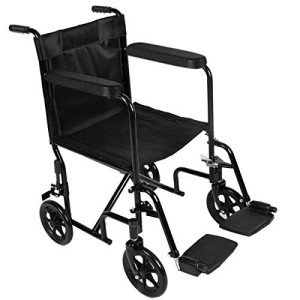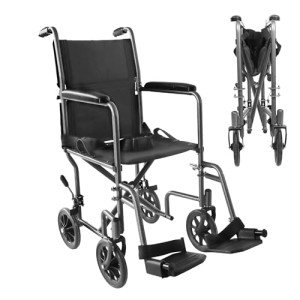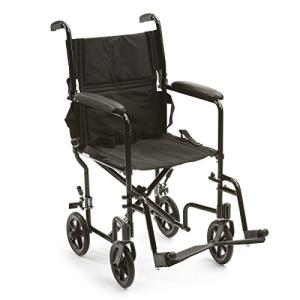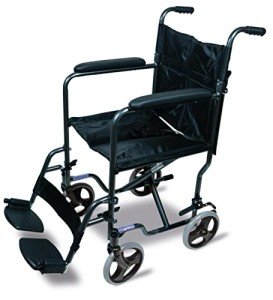





Mobility is a fundamental aspect of human independence, influencing quality of life, social engagement, and physical health. For individuals with limited mobility, the wheelchair is not merely a piece of equipment; it is an extension of the body and a gateway to the world. In recent years, the medical device industry has seen significant advancements, shifting away from the heavy, cumbersome designs of the past toward highly functional, lightweight folding wheelchairs. Among the most critical features of these modern devices is the adjustable footrest, a component that plays a vital role in ergonomics, circulatory health, and overall user comfort.
This guide explores the intricate details of lightweight folding wheelchairs with adjustable footrests, examining their construction, clinical benefits, and the factors that make them a preferred choice for both users and caregivers.
The Evolution of Lightweight Mobility
Historically, wheelchairs were constructed from heavy steel, often weighing upwards of 50 pounds. While durable, these models were difficult to maneuver and even harder to transport. The introduction of aircraft-grade aluminum and carbon fiber has revolutionized the industry. A standard lightweight wheelchair today typically weighs between 25 and 35 pounds, while ultra-lightweight models can drop below 20 pounds.
Why Weight and Foldability Matter
The ability to fold a wheelchair into a compact shape is essential for modern living. Whether it is fitting the device into a car trunk, storing it in a small apartment, or checking it at an airport gate, the folding mechanism—usually a cross-brace design—allows for seamless transitions. When combined with lightweight materials, these wheelchairs reduce the physical strain on the user’s upper body and minimize the risk of repetitive strain injuries for caregivers.
The Critical Role of Adjustable Footrests
While much attention is given to the seat width and weight capacity, the footrests are often an afterthought. However, adjustable footrests are essential for maintaining proper posture and preventing secondary health complications.
Clinical Benefits of Adjustable Footrests
- Pressure Distribution: Properly adjusted footrests ensure that weight is distributed evenly across the thighs and buttocks. If footrests are too high, the pressure increases on the ischial tuberosities (sit bones); if they are too low, the person may slide forward, leading to poor posture.
- Circulatory Health: Elevating or adjusting the height of the legs can help manage edema (swelling) and improve blood flow in the lower extremities.
- Stability and Safety: Footrests provide a stable base of support. Adjustable options allow the wheelchair to accommodate different leg lengths, ensuring the user’s feet do not dangle or become entangled in the front casters.
- Ease of Transfers: Many lightweight models feature "swing-away" footrests. These can be moved to the side or removed entirely, allowing the user to get closer to a bed or chair for safer transfers.
Technical Specifications and Material Comparisons
When selecting a lightweight folding wheelchair, understanding the materials and frame types is crucial. The following tables provide a breakdown of common materials and footrest configurations.
Table 1: Frame Material Comparison
| Material | Average Weight | Durability | Best For... |
|---|---|---|---|
| Carbon Steel | 40+ lbs | High | Occasional use, budget-conscious buyers |
| Aluminum Alloy | 25 - 34 lbs | Very High | Daily use, frequent transport, active users |
| Titanium | 15 - 20 lbs | Highest | Long-term use, maximum weight reduction |
| Carbon Fiber | 12 - 18 lbs | High (but brittle) | Performance-focused users, ultra-portability |
Table 2: Types of Footrests and Their Functions
| Footrest Type | Main Feature | Ideal User |
|---|---|---|
| Fixed Adjustable | Height can be changed with tools | Users with permanent needs |
| Swing-Away | Can be rotated to the side | Users who perform frequent transfers |
| Elevating | Can be raised to various angles | Users with circulation issues or leg casts |
| Flip-Up Platforms | Footplate flips up for standing | Users who can walk short distances |
Key Features to Consider
A high-quality lightweight wheelchair is more than just a frame and wheels. Several integrated features contribute to the overall experience.
1. Dual Axle Positions
Many lightweight models offer dual axle positions, allowing the seat height to be adjusted to a "hemi-level." This is particularly useful for users who use their feet to propel the wheelchair.
2. Upholstery and Ergonomics
Modern wheelchairs use breathable, nylon fabrics that are easy to clean and provide better ventilation than traditional vinyl. Ergonomic backrests provide lumbar support, which is vital for those who spend several hours a day in the chair.
3. Wheel and Tire Options
- Solid Rubber Tires: Maintenance-free and puncture-proof, ideal for indoor use.
- Pneumatic (Air-Filled) Tires: Provide better shock absorption for outdoor surfaces but require air refills.
4. Safety Mechanisms
Manual brakes or "push-to-lock" mechanisms are standard. However, some lightweight models also include "attendant brakes" on the push handles, giving caregivers better control on inclines.
Factors for Caregivers
Caregivers often bear the brunt of the "logistical" side of wheelchair use. For them, the lightweight folding wheelchair offers several advantages:
- Ergonomic Lifting: A 28-pound aluminum chair is significantly safer to lift into a vehicle than a 50-pound steel chair, reducing the risk of back injuries.
- Maneuverability in Tight Spaces: Lightweight chairs usually have a smaller footprint and a tighter turning radius, making it easier to navigate through narrow hallways or crowded stores.
- Simple Maintenance: Most high-end lightweight models use "quick-release" wheels, allowing the chair to be disassembled in seconds without tools.
Maintenance and Longevity
To ensure the safety and longevity of a folding wheelchair, a regular maintenance schedule should be followed.
Maintenance Checklist:
- Weekly: Check tire pressure (if pneumatic) and wipe down the frame to remove dirt and salt.
- Monthly: Inspect the folding mechanism and cross-brace for any signs of wear or stiffness. Apply a silicone-based lubricant if necessary.
- Quarterly: Ensure all bolts on the adjustable footrests are tight and that the swing-away mechanism locks securely.
- Annually: Have a professional check the wheel bearings and brake alignment.
Comparison of Top Lightweight Models (Sample Specifications)
Table 3: Specification Comparison Checklist
| Feature | Entry-Level Lightweight | Premium Lightweight |
|---|---|---|
| Weight | 32 lbs | 24 lbs |
| Weight Capacity | 250 lbs | 300 lbs |
| Footrest Style | Removable / Swing-Away | Swing-Away + Height Adjustable |
| Backrest | Fixed | Tension Adjustable |
| Wheel Release | Bolt-on | Quick Release |
Frequently Asked Questions (FAQ)
1. Can a lightweight folding wheelchair be used on uneven terrain?
Yes, but the performance depends on the wheels. Models with larger rear wheels and pneumatic tires handle grass or gravel better than those with small, solid wheels. However, these chairs are primarily designed for paved or indoor surfaces.
2. Is insurance likely to cover a lightweight model?
Most insurance providers, including Medicare, cover "K0003" (lightweight) or "K0004" (high-strength lightweight) wheelchairs if a medical necessity is established by a physician.
3. How do I know what seat width to choose?
The most common seat widths are 16, 18, and 20 inches. A general rule is to measure the user’s hips and add two inches to ensure a comfortable fit without the hips rubbing against the armrests.
4. Are adjustable footrests difficult to operate?
In most modern designs, they are tool-free. A simple lever allows the footrest to swing away, and a push-button or tension-knob system usually handles height adjustments.
5. What is the difference between a transport chair and a lightweight wheelchair?
A transport chair has four small wheels and requires a caregiver to push. A lightweight wheelchair has large rear wheels, allowing the user to self-propel.
The selection of a lightweight folding wheelchair with adjustable footrests is a significant decision that impacts daily comfort and long-term health. By prioritizing high-grade materials like aluminum and ensuring that the footrests allow for anatomical alignment, users can maintain a high level of independence. These devices represent the perfect intersection of engineering and empathy, providing a mobility solution that is as portable and flexible as the lives of the people who use them. Whether for travel, daily errands, or home use, the modern lightweight wheelchair stands as a testament to the power of functional design in healthcare.