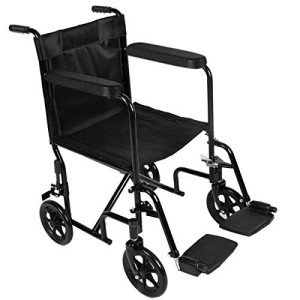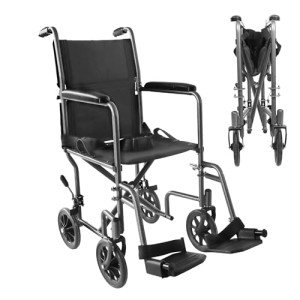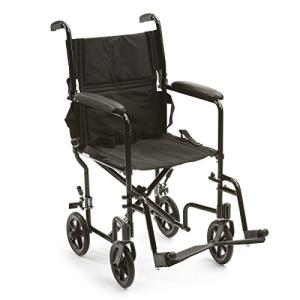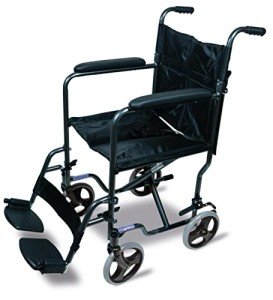

Mobility is a fundamental aspect of human independence, affecting everything from daily routines to long-distance travel. For individuals with limited mobility, the wheelchair is not merely a piece of medical equipment; it is an extension of the body and a gateway to the world. In recent years, the design of these devices has shifted toward prioritizing both the user's comfort and the caregiver's ease of use. Among the most significant advancements in this field is the development of the lightweight folding wheelchair equipped with adjustable footrests. This guide explores the technical specifications, practical advantages, and essential considerations of these versatile mobility aids.
The Evolution of the Lightweight Frame
Historically, wheelchairs were bulky, heavy, and difficult to transport. Constructed primarily from heavy-gauge steel, older models often weighed upwards of 50 pounds, making them a challenge for caregivers to lift and difficult for users to self-propel. The introduction of aerospace-grade aluminum and carbon fiber has revolutionized the industry.
Modern lightweight wheelchairs typically weigh between 25 and 35 pounds, while "ultra-lightweight" models can drop below 20 pounds. This reduction in mass is achieved without sacrificing structural integrity. Aluminum frames provide a high strength-to-weight ratio, ensuring the chair can support significant weight capacities (often up to 250–300 lbs) while remaining easy to maneuver.
Comparison of Wheelchair Categories
| Feature | Standard Wheelchair | Lightweight Wheelchair | Ultra-Lightweight Wheelchair |
|---|---|---|---|
| Average Weight | 38 – 50+ lbs | 25 – 34 lbs | 14 – 24 lbs |
| Frame Material | Steel | Aluminum | High-grade Aluminum / Titanium |
| Portability | Difficult | Moderate to High | High |
| Primary Use | Short-term/Hospital use | Daily use/Travel | Active daily use |
| Adjustability | Limited | High (Footrests/Armrests) | Highly Customizable |
The Mechanics of the Folding Design
The primary appeal of a folding wheelchair lies in its portability. Most lightweight models utilize a "cross-brace" or "X-frame" mechanism. When the seat is lifted, the sides of the chair move inward, allowing it to collapse into a narrow profile.
Why the Folding Mechanism Matters:
- Vehicle Transport: A folding chair can easily be placed in the trunk or backseat of a standard sedan, eliminating the need for expensive vehicle lifts or specialized vans.
- Storage: For those living in smaller apartments or assisted living facilities, the ability to tuck a wheelchair into a closet prevents it from becoming a tripping hazard or an eyesore.
- Air Travel: Folding wheelchairs are generally more "travel-friendly" for airline staff to handle and stow in the aircraft’s cargo hold.
The Importance of Adjustable Footrests
While the frame provides the structure, the footrests provide the ergonomic support necessary for skin health and musculoskeletal integrity. Adjustable footrests are not a luxury; they are a clinical necessity for many users. These components typically allow for changes in height, angle, and position.
Benefits of Footrest Adjustability
- Pressure Distribution: Properly adjusted footrests ensure that the user’s weight is evenly distributed across the seat and thighs. If footrests are too high, excess pressure is placed on the ischial tuberosities (sit bones); if they are too low, the user may slide forward, creating shear on the skin.
- Circulation Management: For individuals prone to edema or swelling in the lower extremities, adjustable elevating leg rests (ELRs) allow the legs to be positioned above the heart level periodically.
- Customization for Different Heights: A single wheelchair model can accommodate individuals of various heights by simply sliding the footplate extension tube to the desired length.
- Accessibility (Swing-Away Feature): Most adjustable footrests include a swing-away function. This allows the user to move the footrests to the side, creating a clear space for safe standing transfers without the risk of tripping over the plates.
Key Features to Look For
When evaluating a lightweight folding wheelchair, several specific features contribute to the overall quality and longevity of the device.
- Breathable Upholstery: Look for nylon or mesh seating that prevents heat buildup and is easy to sanitize.
- Quick-Release Wheels: Some lightweight models offer wheels that can be removed with the push of a button, further reducing the weight and size for transport.
- Dual Axle Positions: This allows the seat height to be adjusted, making it possible for the user to propel the chair with their feet (hemi-height).
- Padded Armrests: Desk-length armrests allow the user to sit closer to tables and desks, while full-length armrests offer more support for the forearms.
Considerations for Selection
Choosing the right wheelchair requires a balance between the user’s physical needs and the environment in which the chair will be used.
Assessing the User’s Environment
- Indoor Use: Narrower frames are preferable for navigating tight hallways and doorways.
- Outdoor Use: Larger rear wheels with durable tires are better suited for uneven pavement or gravel paths.
- Frequency of Travel: If the chair will be moved in and out of a car multiple times a day, the priority should be the total weight and the ease of the folding transition.
Maintenance and Care
To ensure the safety and longevity of a lightweight folding wheelchair, a regular maintenance schedule should be followed.
- Weekly: Check tire pressure (for pneumatic tires) and wipe down the frame to remove dust and debris.
- Monthly: Inspect the folding mechanism and apply a silicone-based lubricant if the cross-brace feels stiff. Ensure all bolts and nuts are tightened.
- Biannually: Check the footrest adjustment pins and locks to ensure they click securely into place. Examine the upholstery for any sagging or tears that could compromise support.
Frequently Asked Questions (FAQ)
1. Can a lightweight folding wheelchair be used for long-term daily use?Yes. While standard hospital chairs are designed for short-term transport, high-quality lightweight aluminum wheelchairs are built for durability and are suitable for individuals who require a mobility aid for several hours every day.
2. What is the difference between "swing-away" footrests and "elevating" leg rests?Swing-away footrests rotate to the side to allow for easy entry and exit. Elevating leg rests (ELRs) can be raised upward to keep the user's legs straight or at an angle, which is often recommended for users with circulation issues or leg injuries.
3. Are these wheelchairs covered by insurance or Medicare?In many regions, including the United States, insurance providers and Medicare may cover a portion of the cost if a physician deems the wheelchair "medically necessary." It is important to consult with a medical professional to receive a proper evaluation and prescription.
4. Is there a weight limit for lightweight wheelchairs?While they are light, most of these chairs are very strong. A standard lightweight folding wheelchair usually supports between 250 and 300 pounds. For heavier users, "bariatric" lightweight models are available with reinforced frames.
5. Are the footrests removable?Most modern lightweight wheelchairs feature footrests that are both adjustable and completely removable. This further reduces the weight of the chair when lifting it into a vehicle.
The lightweight folding wheelchair with adjustable footrests represents a perfect synergy of engineering and empathy. By utilizing advanced materials to reduce physical strain on caregivers and incorporating ergonomic adjustability for the user, these chairs foster a higher degree of freedom. Whether it is for navigating a shopping center, attending family gatherings, or simply moving safely within the home, this specific category of mobility aid remains a top choice for those seeking a balance of portability, comfort, and reliability. Investing the time to understand the nuances of frame material and footrest mechanics ensures that individuals receive a device that truly enhances their quality of life.