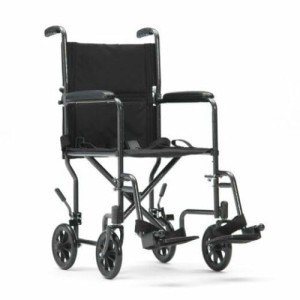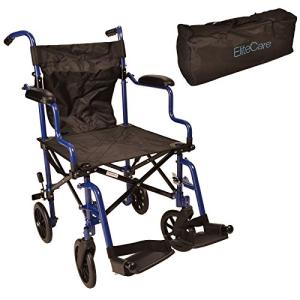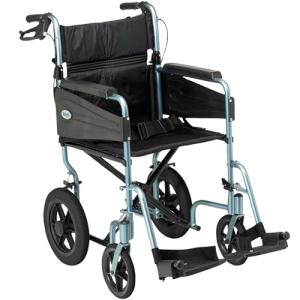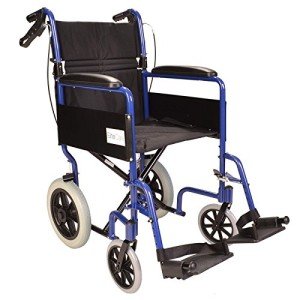

In today's world, mobility is essential, not only for independence but also for enhancing the quality of life. For individuals with limited mobility or disabilities, wheelchairs serve as the lifeline to exercise freedom and engagement in day-to-day activities. Among the various options, the lightweight folding wheelchair with adjustable safety straps stands out as a practical and beneficial choice. This guide explores the advantages, features, and considerations of these innovative wheelchairs, providing potential users with the information needed to make an informed decision.
What is a Lightweight Folding Wheelchair?
A lightweight folding wheelchair is designed with convenience and portability in mind. These chairs are typically crafted using durable yet lightweight materials such as aluminum or carbon fiber. The folding mechanism allows them to collapse into a compact size, making them easy to transport and store. This type of wheelchair is particularly suited for individuals who are frequently on the go, whether it is for short errands, traveling, or attending social gatherings.
Key Features of Lightweight Folding Wheelchairs
-
Weight: Generally, lightweight folding wheelchairs weigh between 15 to 30 pounds, making them manageable for most users and caregivers. A lighter chair means easier maneuverability and transport.
-
Portability: They can be collapsed into a compact form, allowing them to fit into smaller vehicles or be carried onto public transportation, thus eliminating barriers to mobility.
-
Adjustable Safety Straps: A significant feature of these wheelchairs is the adjustable safety strap. These straps enhance safety by securing the user in place, minimizing the risk of slipping or falling out of the chair during use. They can often be customized to accommodate individual user preferences.
-
Comfort Features: Lightweight folding wheelchairs often come with padded seats and backrests, ensuring user comfort. Many models also feature adjustable armrests and footrests for personalized support.
-
Maneuverability: Equipped with swivel wheels and a responsive braking system, these wheelchairs offer ease of navigation in various environments, from narrow hallways to busy sidewalks.
-
Durability: Despite their lightweight construction, these wheelchairs are designed to withstand daily wear and tear, making them a long-lasting investment.
-
Affordability: Many models on the market offer excellent value without compromising on quality, making them accessible to a broader range of users.
Advantages of Using a Lightweight Folding Wheelchair with Adjustable Safety Straps
-
Enhanced Mobility: These wheelchairs promote independence, enabling users to navigate their surroundings more easily. Whether it’s moving around the house, going shopping, or attending social events, lightweight folding wheelchairs remove many barriers to mobility.
-
Easy to Transport: Their foldable nature means they can be conveniently stowed away in the trunk of a car or stored in small spaces, allowing users to take them on trips without hassle.
-
Improved Safety: The adjustable safety straps provide additional security. Users can adjust the straps according to their comfort level, resulting in a secure and stable seating position that prevents accidents.
-
Versatile Design: Many lightweight folding wheelchairs are stylishly designed, catering to various aesthetic preferences. Users can select wheelchairs that align with their personal styles, contributing to their self-esteem while using assistive devices.
-
Adaptable for Different Users: Whether the user is a child, adult, or older individual, many models offer adjustable settings to accommodate different heights and weights.
Factors to Consider When Choosing a Lightweight Folding Wheelchair
-
User’s Needs: Consider the level of mobility and specific needs of the user. For individuals who require more support, look for additional features like larger footrests or specialized seating.
-
Weight Capacity: Each wheelchair has a weight limit, generally ranging from 250 to 350 pounds. It is crucial to choose a wheelchair that can support the user’s weight comfortably.
-
Dimensions: Check the dimensions of the wheelchair when folded and unfolded to ensure that it fits the user’s space and transportation needs.
-
Safety Features: Apart from adjustable safety straps, assess other safety features such as robust brakes and anti-tip wheels.
-
Warranty and Service: A reputable manufacturer should offer a warranty that covers parts and service. Understanding the warranty can provide peace of mind about the investment.
Lightweight folding wheelchairs with adjustable safety straps are an essential asset for individuals with mobility challenges. They provide freedom, safety, and ease of use, ultimately enhancing the quality of life for users. By considering the various features and benefits highlighted in this article, potential users can choose the most suitable wheelchair for their needs.
Ultimately, the right wheelchair empowers users, giving them the tools to navigate life with greater confidence and independence.
Frequently Asked Questions (FAQs)
Q1: Are lightweight folding wheelchairs suitable for outdoor use?
A: Yes, most lightweight folding wheelchairs are designed to handle outdoor terrain, but it’s essential to select a model with durable tires and a strong frame for enhanced mobility on uneven surfaces.
Q2: Can I customize the safety straps on the wheelchair?
A: Many lightweight folding wheelchairs come with adjustable safety straps. Always refer to the product manual for instructions on customization and proper fitting.
Q3: How do I maintain my lightweight folding wheelchair?
A: Routine maintenance includes checking the wheels and brakes, cleaning the frame, and inspecting the safety straps for wear and tear. Regular checks will help keep the wheelchair in optimal condition.
Q4: Is a lightweight folding wheelchair more expensive than traditional models?
A: It depends on the brand and features. While some lightweight models may be pricier due to their specialized materials and designs, many affordable options are available that do not compromise on quality.
Q5: Can the wheelchair be transported in an airplane?
A: Yes, lightweight folding wheelchairs are generally accepted for transport by airlines, but it’s advisable to check with the airline for specific travel regulations and requirements regarding mobility aids.
In summary, lightweight folding wheelchairs with adjustable safety straps are an excellent choice for individuals looking for mobility aids that provide independence, comfort, and safety. With the right selection, users can enjoy a better quality of life, filled with more opportunities for engagement and interaction.