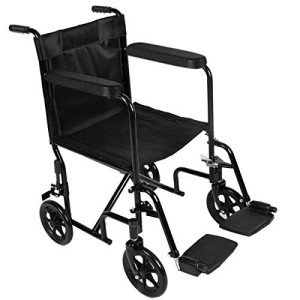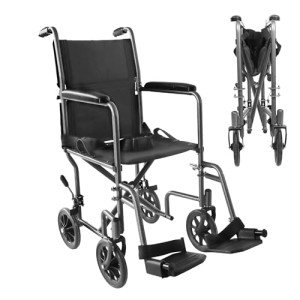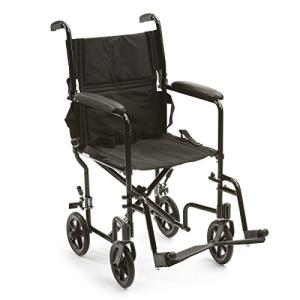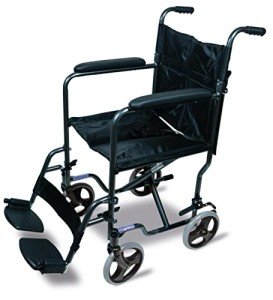

The introduction of the lightweight folding wheelchair has revolutionized the way individuals with limited mobility navigate the world. For years, bulky, heavy chairs were the norm, often making travel a logistical nightmare for both users and caregivers. However, modern engineering has paved the way for a more versatile solution: the lightweight folding wheelchair equipped with double brakes. This combination of portability and enhanced safety has set a new standard in the mobility industry.
This guide explores the intricate details, benefits, and technical specifications of these advanced mobility aids, providing a comprehensive resource for those seeking to improve their quality of life or assist a loved one.
The Evolution of the Lightweight Design
Traditionally, wheelchairs were constructed from heavy steel, making them durable but incredibly difficult to transport. The shift toward aluminum alloys and carbon fiber has fundamentally changed the landscape. A standard lightweight folding wheelchair typically weighs between 20 and 35 pounds, whereas its traditional counterparts can exceed 50 pounds.
This reduction in weight does not come at the expense of durability. Modern alloys are designed to withstand significant weight capacities, often supporting users up to 250 or 300 pounds. The primary goal of this design is independence—allowing the user or a caregiver to lift the chair into a car trunk, onto a bus, or into a storage closet without excessive physical strain.
Benefits of the Folding Mechanism
The folding feature is catalyzed by a "cross-brace" frame design. This allows the chair to collapse horizontally by simply lifting the center of the seat. The advantages of this design include:
- Space-Saving Storage: Ideal for small apartments or homes where floor space is limited.
- Travel Readiness: These chairs easily fit into most vehicle trunks and are often approved for airline travel.
- Ease of Deployment: Most models can be unfolded and locked into place within seconds, requiring no special tools.
Understanding the "Double Brake" System
One of the most critical safety features of modern wheelchairs is the inclusion of double brakes. While older models might only feature a single set of wheel locks, the double-brake system provides two distinct layers of control.
1. User-Operated Wheel Locks
Located on the sides of the wheels, these are controlled by the occupant. They are designed to keep the chair stationary when the user is transitioning in or out of the seat or when they are parked on a flat surface.
2. Attendant Handbrakes
These are located on the push handles at the rear of the chair. Similar to bicycle brakes, they allow the person pushing the wheelchair to control the speed, especially when navigating down slopes or ramps. This prevents the chair from "running away" from the caregiver, which is a common hazard with single-brake models.
Detailed Specifications and Features
When selecting a lightweight folding wheelchair, it is essential to look at the technical specifications to ensure it meets the specific needs of the user. Below is a detailed breakdown of the common features found in high-quality models.
Table 1: Key Specifications Comparison
| Feature | Standard Lightweight Model | Premium Ultra-Lightweight Model |
|---|---|---|
| Frame Material | High-grade Aluminum | Carbon Fiber or Aero-grade Aluminum |
| Approximate Weight | 28 – 35 lbs | 19 – 25 lbs |
| Weight Capacity | 250 lbs | 300 lbs |
| Rear Wheel Size | 20 – 24 inches | 24 inches (low-rolling resistance) |
| Brake System | Dual Lever (User + Attendant) | Dual Lever with Disc Brake options |
| Seat Widths | 16", 18", 20" | Customizable widths |
| Folded Width | 12 – 14 inches | 10 – 12 inches |
Essential Components for Comfort and Utility
A wheelchair is more than just a frame and wheels; it is a seat for daily living. Therefore, several components play a vital role in its overall functionality.
Ergonomic Seating
Most lightweight folding wheelchairs use nylon or polyester upholstery. These materials are chosen for their breathability and ease of cleaning. Higher-end models may feature padded seating or ergonomic backrests that follow the natural curve of the spine to prevent fatigue during long periods of use.
Wheels and Tires
- Front Casters: Generally 6 to 8 inches in diameter. Larger casters handle outdoor bumps more effectively, while smaller ones offer better indoor maneuverability.
- Rear Wheels: Many lightweight chairs feature "solid" rubber tires, which means they are puncture-proof and require zero maintenance regarding air pressure.
Footrests and Armrests
- Swing-Away Footrests: These can be moved to the side or removed entirely, allowing the user to stand up without tripping over the footplates.
- Flip-Up Armrests: These are crucial for side transfers (e.g., from the wheelchair to a bed or car seat) and allow the user to sit closer to desks or dining tables.
Safety and Use Cases
The lightweight folding wheelchair with double brakes is versatile enough for various environments. Its safety features make it particularly useful in specific scenarios.
Navigating Inclines
Standard wheelchairs can be dangerous on hills. With attendant handbrakes, a caregiver can apply gradual pressure to slow the descent, ensuring the user remains stable and the caregiver remains in control.
Urban Commuting
The light frame allows for easier navigation over curbs and uneven sidewalks. Furthermore, the ability to quickly fold the chair makes it feasible for use on public transportation, such as trains and subways.
Medical Recovery
For those recovering from surgery, these chairs provide a temporary mobility solution that handles easily within a home environment without scratching walls or requiring significant storage space once the recovery period is over.
Checklist for Choosing the Right Model
Selecting the perfect wheelchair requires a balance between the user's physical dimensions and their lifestyle needs. Consider the following list before making a purchase:
- Measurement Check: Ensure the seat width is approximately 1-2 inches wider than the user's hips for comfort.
- Brake Accessibility: Verify that the user can easily reach and engage the wheel locks.
- Transport Requirements: Measure the vehicle's trunk to ensure the folded dimensions of the chair will fit comfortably.
- Terrain Assessment: If the chair will be used primarily outdoors, look for models with larger front casters and reinforced frames.
- Armrest Style: Choose "desk-length" armrests if the user plans to eat at tables frequently, or "full-length" for better arm support.
Maintenance and Care
To ensure the longevity of a lightweight folding wheelchair, regular maintenance is required. Because aluminum frames are susceptible to bolt-loosening over time due to vibrations, a monthly "tightness check" is recommended.
- Cleaning: Wipe down the frame with a damp cloth and mild detergent. Avoid abrasive chemicals that could strip the protective coating from the aluminum.
- Brake Adjustment: Over time, the brake pads may wear or the cables (for attendant brakes) may stretch. Ensure they are adjusted so that the locks firmly grip the tires.
- Lubrication: A drop of silicone-based lubricant on the folding hinges and wheel axles every few months will ensure a smooth folding motion and easy gliding.
Frequently Asked Questions (FAQ)
1. Are lightweight wheelchairs as durable as heavy steel ones?
Yes. While they weigh less, modern aluminum alloys are engineered to be extremely strong. As long as the user stays within the specified weight capacity, an aluminum wheelchair is highly durable and resistant to rust.
2. What is the benefit of the attendant brake if the user can lock the wheels?
The user’s wheel locks are designed for stationary use only. Attempting to use them while the chair is moving can cause a sudden stop and potentially tip the chair. Attendant handbrakes allow for gradual slowing, which is much safer during motion.
3. Can these wheelchairs be used on carpets?
Yes, they can be used on carpets. However, users may find that chairs with larger rear wheels and narrower tires are easier to propel over high-pile carpeting due to reduced friction.
4. Is it possible to add cushions to a folding wheelchair?
Absolutely. Most users prefer to add a pressure-relief or gel cushion. These can be placed on top of the nylon seat. Most cushions must be removed before folding the chair.
5. Are these chairs suitable for self-propelling?
Most lightweight folding wheelchairs come with large rear wheels equipped with "hand rims," allowing the user to propel themselves. However, "transport" style chairs have four small wheels and require an attendant to push them.
The lightweight folding wheelchair with double brakes represents the pinnacle of modern mobility design. By addressing the dual needs of portability and safety, it empowers users to maintain an active lifestyle while providing caregivers with the peace of mind they need. Whether it is for daily use, travel, or temporary recovery, investing in a high-quality, lightweight model ensures that mobility remains a gateway to freedom rather than a barrier to it.