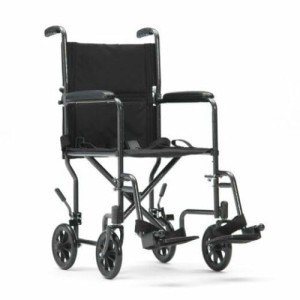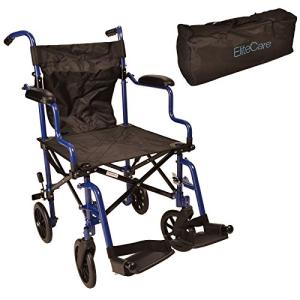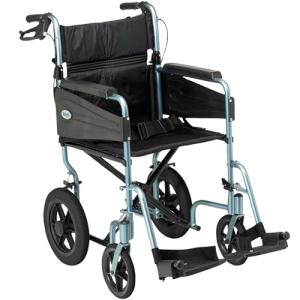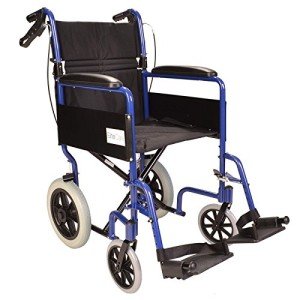





Mobility is a fundamental aspect of human independence, yet for many individuals with limited physical capabilities, moving freely can pose a significant challenge. The introduction of the lightweight folding wheelchair has revolutionized the way people with mobility impairments navigate their daily lives. Specifically, the model featuring an 18-inch seat and an integrated lapbelt offers a balanced combination of comfort, safety, and portability.
This guide explores the intricate details of this specific wheelchair category, examining its design, benefits, technical specifications, and how it serves as a vital tool for both users and caregivers.
Understanding the Design: Lightweight and Foldable
The primary appeal of a lightweight folding wheelchair lies in its construction. Unlike the heavy, cumbersome designs of the past, modern versions are typically crafted from high-grade materials such as aluminum or reinforced steel alloys. This ensures that while the chair remains sturdy enough to support significant weight, it remains light enough for easy lifting and transport.
The Portability Factor
For families and caregivers, the folding mechanism is perhaps the most critical feature. A folding wheelchair utilizes a cross-brace frame design. By pulling up on the center of the seat, the two sides of the chair collapse inward. and the backrest may also fold down in certain models. This design allows the wheelchair to fit easily into the trunk of a standard vehicle or a small closet, making it an ideal choice for travel, doctor’s appointments, and shopping trips.
The Importance of the 18-Inch Seat
Wheelchair seating is not one-size-fits-all. The 18-inch seat width is considered the "standard adult" size in the industry. It provides enough room for the average adult to sit comfortably without feeling restricted, while also ensuring the chair remains narrow enough to pass through standard interior doorways in most homes.
Safety and Security: The Role of the Lapbelt
Safety is paramount when it comes to mobility aids. A lightweight folding wheelchair equipped with a lapbelt provides an extra layer of security that is often overlooked.
The lapbelt serves several purposes:
- Prevention of Sliding: For users with limited core strength, there is a risk of sliding forward out of the seat. The lapbelt keeps the pelvis securely positioned against the backrest.
- Safety During Transit: When navigating uneven terrain, ramps, or thresholds, sudden jolts can displace a user. The belt ensures the user remains seated safely.
- Psychological Comfort: Knowing they are secured can reduce anxiety for users who fear falling, allowing them to focus more on their surroundings and social interactions.
Technical Specifications at a Glance
When selecting a wheelchair, technical details provide the necessary information to determine if a specific model meets the user's needs. Below is a detailed breakdown of the typical specifications for a lightweight folding wheelchair with an 18-inch seat.
Table 1: Technical Specifications
| Feature | Specification |
|---|---|
| Frame Material | High-grade Aluminum or Powder-coated Steel |
| Seat Width | 18 Inches |
| Seat Depth | 16 Inches |
| Weight Capacity | 250 lbs - 300 lbs (Standard) |
| Product Weight | 28 lbs - 34 lbs |
| Wheel Type | Maintenance-free Solid Rubber / Composite |
| Brake System | Push-to-lock Manual Brakes |
| Footrests | Swing-away or Removable |
| Upholstery | Breathable Nylon or Padded Vinyl |
| Safety Features | Integrated Lapbelt, Rear Anti-tippers |
Advantages of the Lightweight Folding Wheelchair
Choosing a lightweight model over a standard heavy-duty manual wheelchair offers several distinct advantages. These benefits extend not just to the user, but to the entire support network.
1. Ease of Maneuverability
Because the frame is lighter, it requires less physical effort to propel. For self-propelled models with large rear wheels, the user can navigate with greater agility. For transport models (pushed by a caregiver), the reduced weight makes it easier to turn and push over carpeted surfaces or up inclines.
2. Versatility in Environments
These wheelchairs are designed for both indoor and outdoor use. The 18-inch width is optimized for navigating hallways and bathrooms, while the durable wheels are capable of handling sidewalks and paved park paths.
3. Reduced Caregiver Strain
Caregivers often face physical strain when lifting and stowing mobility equipment. A wheelchair that weighs approximately 30 lbs is significantly easier to handle than a traditional 50 lb steel model. This reduction in weight helps prevent back injuries and fatigue for those assisting the user.
List of Key Benefits:
- Space-Saving: Fits in compact spaces when not in use.
- Customizable: Often features adjustable armrests and footplates.
- Low Maintenance: Solid tires mean no flats or air pumps are required.
- Durability: Modern coatings prevent rust and wear.
- User Independence: Allows many users to manage their own mobility more effectively.
Comparison: Lightweight vs. Standard Manual Wheelchairs
To understand why the lightweight folding model is often preferred, it is helpful to compare it directly with the traditional standard manual wheelchair.
Table 2: Comparison Chart
| Feature | Lightweight Folding Wheelchair | Standard Manual Wheelchair |
|---|---|---|
| Average Weight | 25–35 lbs | 45–60 lbs |
| Portability | High (Folds easily) | Moderate to Low |
| Primary Material | Aluminum | Steel |
| Best For | Active users and frequent travel | Institutional use or short-term recovery |
| Seat Width Options | Multiple (18" is standard) | Multiple |
| Maneuverability | Excellent | Average |
Who Is This Wheelchair For?
The 18-inch lightweight folding wheelchair with a lapbelt is a versatile tool suitable for various populations:
- The Elderly: Seniors who may have diminished strength but wish to remain active in the community.
- Post-Surgical Patients: Individuals recovering from hip, knee, or foot surgeries who need temporary mobility assistance.
- Travelers: People who frequently go on outings and need a chair that can be quickly stowed in a car or on a plane.
- Individuals with Chronic Conditions: Those with conditions like MS, COPD, or arthritis who may experience fatigue over long distances.
Maintenance and Care for Longevity
While these wheelchairs are designed for durability, regular maintenance ensures they remain safe and functional for years.
- Check the Lapbelt: Periodically inspect the buckle and the webbing for any signs of fraying or damage. Ensure the attachment points to the frame are tight.
- Inspect the Tires: Though solid tires do not go flat, they can develop wear patterns. Clean them with a damp cloth to remove debris that might affect traction.
- Tighten Bolts: Folding mechanisms involve many moving parts. Check for loose bolts or "rattling" sounds and tighten them with a wrench as needed.
- Upholstery Cleaning: Wipe down the nylon or vinyl seat and backrest periodically to maintain hygiene and prevent odors.
The lightweight folding wheelchair with an 18-inch seat and lapbelt represents a pinnacle of functional design in the world of mobility aids. It strikes a balance between the user's need for comfort and the caregiver's need for convenience. By prioritizing safety through the inclusion of a lapbelt and ensuring portability through a folding frame, this wheelchair serves as more than just a piece of equipment; it is a gateway to a more active and engaged life.
Frequently Asked Questions (FAQ)
1. Is an 18-inch seat wide enough for most adults?
Yes, an 18-inch seat is the industry standard for an average-sized adult. However, it is always recommended to measure the user's hip-to-hip width and add two inches to ensure a comfortable fit.
2. Can the lapbelt be removed if it is not needed?
In most models, the lapbelt is bolted to the frame for safety reasons. While it can often be unbolted, it is generally recommended to keep it attached and simply leave it unbuckled if it is not required for a specific trip.
3. Can this wheelchair be used for air travel?
Absolutely. Lightweight folding wheelchairs are highly popular for air travel. They can usually be checked at the gate, and because they are lightweight and foldable, they are less likely to be damaged during handling compared to heavy electric chairs.
4. What is the difference between a transport chair and a lightweight manual wheelchair?
A transport chair has four small wheels and must be pushed by a caregiver. A lightweight manual wheelchair has large rear wheels, allowing the user to propel themselves if they have the upper body strength to do so.
5. How do I fold the wheelchair properly?
To fold the chair, first flip up the footplates. Then, grab the front and back of the center of the seat and pull upward. The frame will collapse inward naturally. To unfold, simply push down on the seat rails until the frame clicks into place.