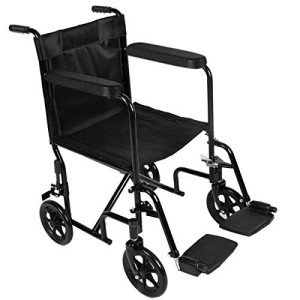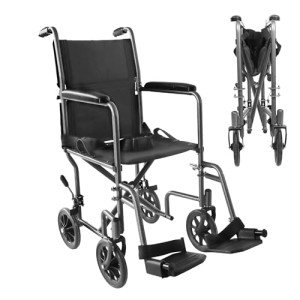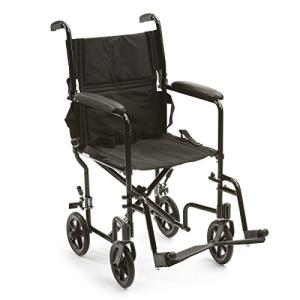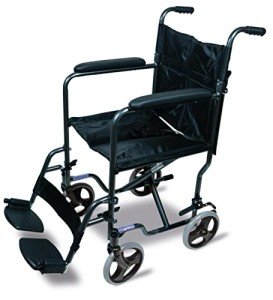





The pursuit of mobility and independence is a fundamental human drive. For individuals with limited physical mobility, the right equipment is not merely a convenience; it is a vital bridge to social participation, daily functionality, and emotional well-being. Among the myriad of options available in the healthcare market, the Mobiclinic® Folding Lightweight Self-Propelled Wheelchair has emerged as a prominent choice for those seeking a balance between durability, portability, and ease of use.
This guide provides an in-depth analysis of the Mobiclinic® series of self-propelled wheelchairs, examining their design philosophy, technical specifications, and the practical benefits they offer to users and caregivers alike.
The Design Philosophy of Mobiclinic®
Mobiclinic® has established a reputation for manufacturing clinical and healthcare furniture that prioritizes the user’s dignity and autonomy. Their self-propelled wheelchairs are designed specifically for individuals who have the upper body strength to navigate themselves, though they include features that accommodate attendant assistance when necessary.
The "Self-Propelled" designation refers to the iconic large rear wheels equipped with outer hand rims. This design allows the user to rotate the wheels manually, providing a sense of control that transit wheelchairs (which require a pusher) cannot offer.
Key Features and Technical Specifications
When selecting a wheelchair, technical details determine the suitability of the device for the user’s lifestyle. Mobiclinic® focuses on engineering chairs that are "folding" and "lightweight," two attributes that are often at odds with structural integrity. However, through the use of high-strength materials like aluminum or reinforced steel, they achieve a synergy of strength and lightness.
Technical Data Overview
The following table outlines the standard specifications typically found in the Mobiclinic® lightweight self-propelled range.
| Feature | Specification (Average) |
|---|---|
| Frame Material | High-strength Steel or Aluminum |
| Total Weight | 12 kg – 18 kg (depending on model) |
| Maximum User Weight | 100 kg – 110 kg |
| Rear Wheel Diameter | 24 inches (approx. 60 cm) |
| Front Wheel Diameter | 8 inches (approx. 20 cm) |
| Seat Width Options | 40 cm, 43 cm, 46 cm |
| Folding Mechanism | Cross-brace system |
| Brake System | Side-hand brakes (lever-action) |
Portability and Storage
One of the primary selling points of the Mobiclinic® range is its folding capability. Utilizing a cross-brace mechanism under the seat, the chair can be collapsed laterally. This reduces the width of the chair significantly, allowing it to be stored in narrow hallways, closets, or the trunks of compact vehicles.
Furthermore, many models feature a "folding backrest." This reduces the vertical height of the chair when folded, making it even more manageable for transport. The lightweight nature of the frame ensures that caregivers can lift the device without excessive physical strain.
Ergonomics and User Comfort
A wheelchair is often used for several hours a day, making ergonomics a critical factor. Mobiclinic® addresses this through several integrated design elements:
- Padded Armrests: To prevent pressure sores and fatigue, the armrests are typically padded. Some models offer "desk-style" armrests, which are shorter at the front to allow the user to sit closer to tables or desks.
- Adjustable Footrests: The footrests are not only removable but often swingable. This is essential for safe transfers in and out of the chair, as it clears the path for the user’s feet.
- Breathable Upholstery: The seat and backrest are usually constructed from fire-retardant nylon or specialized fabrics that promote airflow, reducing heat buildup during prolonged use.
- Ergonomic Handgrips: For instances where an attendant is pushing the chair, the handles are designed to be slip-resistant and shaped to fit the palm comfortably.
Safety and Environmental Adaptability
Safety is non-negotiable in mobility aids. Mobiclinic® ensures user security through robust braking systems and wheel design.
- Solid Tires: Most Mobiclinic® lightweight models utilize solid (puncture-proof) tires. This eliminates the risk of a flat tire while outdoors and reduces the maintenance burden on the user.
- Lever Brakes: Located within easy reach of the user, the manual lever brakes lock the rear wheels firmly. These are essential for stability when the user is transitioning into or out of the chair.
- Rear Pockets: A small but significant safety feature is the inclusion of a backrest pocket, allowing users to carry essential items (like phones or medication) hands-free.
Comparison: Iron vs. Aluminum Models
Mobiclinic® offers versions of their wheelchairs in both steel (often referred to in their "Iron" line) and aluminum. Choosing between them depends on the user's specific priorities.
| Feature | Steel (Iron) Models | Aluminum Models |
|---|---|---|
| Weight | Heavier (approx. 17-19kg) | Ultra-light (approx. 12-14kg) |
| Durability | Extremely high impact resistance | High, but more prone to scratches |
| Cost | Generally more affordable | Premium pricing |
| Portability | Suitable for home use | Ideal for frequent travel |
Who Should Choose a Mobiclinic® Self-Propelled Wheelchair?
This type of wheelchair is most suitable for:
- Active Seniors: Individuals with some upper body strength who want to maintain their independence within their homes or shopping centers.
- Post-Operative Patients: Those recovering from lower-limb surgeries who require a temporary but reliable mobility solution.
- Travelers: Due to the folding nature and lightweight frame, it is an excellent choice for families who travel frequently.
Maintenance and Care
To ensure the longevity of the Mobiclinic® wheelchair, a regular maintenance schedule should be followed.
Maintenance Checklist
- Weekly: Wipe down the frame with a damp cloth to remove dust and debris.
- Monthly: Check the tire treads for wear and ensure the axle bolts are tight.
- Quarterly: Lubricate the folding mechanism and the wheel bearings with a silicone-based spray.
- As Needed: Check the tension of the upholstery. If the seat begins to sag, it may need adjustment or replacement to maintain proper posture support.
Frequently Asked Questions (FAQ)
1. Can the Mobiclinic® wheelchair be used outdoors?Yes. The solid tires and robust frame are designed for both indoor and outdoor use. However, it is most effective on flat surfaces like pavements, malls, and ramps. It is not intended for rugged off-road terrain.
2. Are the footrests adjustable for different heights?Yes, most Mobiclinic® models allow the footplates to be adjusted in height to accommodate the leg length of the specific user, ensuring that the knees are at a comfortable 90-degree angle.
3. What is the difference between a self-propelled and a transit wheelchair?A self-propelled wheelchair has large rear wheels with hand rims, allowing the user to move themselves. A transit wheelchair has four small wheels and requires a second person to push it from behind.
4. How do I know which seat width to choose?The seat width should be approximately 2 inches wider than the user's hips to allow for comfortable movement and the use of seasonal clothing (like heavy coats) without the chair being too tight or too loose.
5. Does the chair come pre-assembled?Most Mobiclinic® folding wheelchairs arrive almost entirely assembled. Typically, one only needs to unfold the chair and click the footrests into place without the need for specialized tools.
The Mobiclinic® Folding Lightweight Self-Propelled Wheelchair stands out as a versatile, reliable, and user-centric mobility aid. By focusing on the dual needs of portability and independence, Mobiclinic® has created a product line that caters to the diverse requirements of the modern user. Whether it is the lightweight aluminum frame for the frequent traveler or the sturdy steel construction for daily home use, these wheelchairs provide a safe and comfortable means of regaining freedom of movement. For those seeking a blend of clinical quality and everyday practicality, Mobiclinic® remains a top-tier recommendation in the field of mobility.