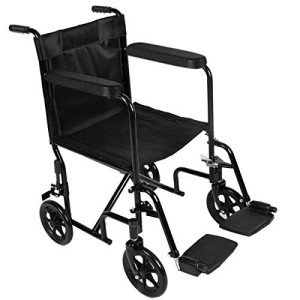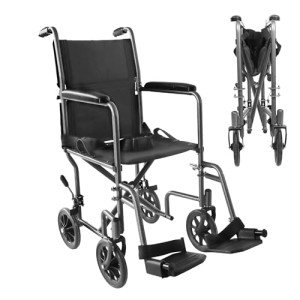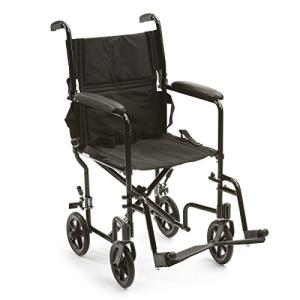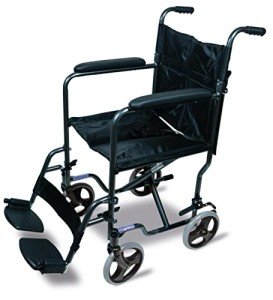





Mobility is a fundamental aspect of childhood development. For children with physical disabilities or temporary injuries, a wheelchair is not merely a piece of medical equipment; it is a gateway to the world, a tool for social integration, and a vehicle for independence. Among the various options available on the market, the Pepe Lightweight Folding Wheelchair for Kids has emerged as a prominent choice for families seeking a balance between durability, portability, and comfort.
This guide provides an in-depth exploration of the Pepe Lightweight Folding Wheelchair, examining its design features, technical specifications, and the practical benefits it offers to both the young user and their caregivers.
The Importance of Pediatric-Specific Design
When selecting a mobility aid for a child, it is a mistake to assume that a smaller version of an adult wheelchair will suffice. Children have unique ergonomic needs, higher activity levels, and a greater need for equipment that facilitates easy transport for busy families.
The Pepe Lightweight Folding Wheelchair is engineered specifically with the pediatric user in mind. It prioritizes a lightweight frame to ensure that the child can either self-propel with less effort or be pushed by a caregiver without undue physical strain. Furthermore, the aesthetics and proportions are tailored to fit a child’s frame, providing the necessary support for developing postures.
Key Features of the Pepe Lightweight Folding Wheelchair
The Pepe model distinguishes itself through several thoughtful design choices. Below are the primary features that contribute to its popularity in the pediatric mobility market:
1. High-Strength Aluminum Construction
The frame is constructed from high-quality aluminum. This material choice is critical as it offers the structural integrity required to support a child’s weight while remaining significantly lighter than traditional steel frames. This makes the chair easier to maneuver through narrow hallways, school aisles, and crowded public spaces.
2. Streamlined Folding Mechanism
One of the most significant challenges for caregivers is the transport of medical equipment. The Pepe wheelchair features a cross-brace folding system. This allows the chair to collapse horizontally into a compact shape, making it easy to fit into the trunk of a standard vehicle or to store in a closet when not in use.
3. Ergonomic Comfort and Safety
The seating is typically designed with breathable, padded fabric to prevent skin irritation during long periods of use. For safety, the chair includes:
- Adjustable Seatbelts: To ensure the child remains securely positioned.
- Rear Brakes: Easily accessible for the caregiver or the user to lock the chair in place.
- Anti-Tip Wheels: Many models include small rear extensions to prevent the chair from tipping backward on inclines.
4. Swing-Away Footrests
Accessibility is key to fostering independence. The footrests on the Pepe model are designed to swing outward or be removed entirely. This feature allows the child to transfer in and out of the chair safely without tripping over the footplates.
Technical Specifications at a Glance
For parents and healthcare providers, technical data is essential for determining if a wheelchair meets specific requirements. The following table outlines the standard specifications for the Pepe Lightweight Folding Wheelchair for Kids.
Table 1: Technical Specifications
| Feature | Specification |
|---|---|
| Frame Material | Lightweight Aluminum |
| Total Weight | Approx. 12 kg (26.5 lbs) |
| Maximum Load Capacity | 100 kg (220 lbs) |
| Seat Width | 35 cm (Standard Pediatric Dim.) |
| Wheel Type | Solid, puncture-proof tires |
| Brake System | Manual lever-lock system |
| Folding Style | Horizontal Cross-brace |
| Upholstery | Breathable Nylon/Polyester |
| Armrests | Fixed or Padded Desk-length |
Benefits for the Child and Caregiver
The impact of a well-designed wheelchair extends beyond physical movement. It touches upon the psychological and logistical aspects of daily life.
For the Child:
- Increased Autonomy: The lightweight nature of the chair allows children with sufficient upper-body strength to self-propel, giving them a sense of control over their environment.
- Improved Peer Interaction: By being at an appropriate height and having a non-intimidating, modern design, the chair helps children feel more confident in social settings like schools or playgrounds.
- Postural Support: The ergonomic curves of the Pepe chair help maintain spinal alignment, which is crucial during a child’s growing years.
For the Caregiver:
- Reduced Physical Strain: Lifting a heavy wheelchair into a car multiple times a day can lead to chronic back pain. The Pepe chair’s aluminum frame mitigates this risk.
- Ease of Travel: Because it folds compactly, the chair is suitable for air travel, public transit, and road trips.
- Durability: Despite being light, the aluminum frame is resistant to corrosion and wear, providing a long-term solution for growing families.
Maintenance and Longevity
To ensure the Pepe wheelchair remains safe and functional, a regular maintenance routine is recommended. Because kids can be active and occasionally messy, the chair is designed for easy cleaning.
Recommended Maintenance Checklist:
- Weekly: Wipe down the aluminum frame with a damp cloth to remove dust and debris.
- Monthly: Check the tire pressure (if pneumatic) or inspect solid tires for uneven wear.
- Bi-Monthly: Test the brakes to ensure they engage and disengage smoothly without slipping.
- Quarterly: Inspect all bolts and screws to ensure they have not loosened due to vibration or frequent folding.
- As Needed: Wash the removable upholstery covers in cold water to maintain hygiene and comfort.
Comparison: Pepe vs. Standard Pediatric Chairs
When choosing a wheelchair, it helps to understand how the Pepe model stacks up against standard entry-level pediatric chairs.
Table 2: Feature Comparison
| Feature | Standard Steel Pediatric Chair | Pepe Lightweight Folding Chair |
|---|---|---|
| Weight | Heavy (18kg+) | Light (12kg) |
| Portability | Difficult; bulky | High; compact folding |
| Maneuverability | Requires more effort | High; responsive |
| Longevity | Prone to rust | Corrosion-resistant aluminum |
| Cost | Generally Lower | Mid-Range (Value-focused) |
Final Thoughts on Childhood Mobility
Choosing a wheelchair for a child is a decision that involves balancing clinical needs with lifestyle requirements. The Pepe Lightweight Folding Wheelchair for Kids stands out as a versatile, "middle-ground" solution. It avoids the excessive weight of budget steel chairs while offering the durability and portability needed for an active childhood.
By prioritizing the "lightweight" and "folding" aspects, Pepe has created a product that honors the child’s need for movement and the caregiver’s need for convenience.
Frequently Asked Questions (FAQ)
1. For what age range is the Pepe Lightweight Wheelchair suitable?
While age depends on the individual child’s size, the seat width (typically 35 cm) is generally designed for children between the ages of 5 and 12. It is always recommended to measure the child's hip width to ensure a comfortable fit with about an inch of clearance on either side.
2. Can this wheelchair be used on uneven terrain like grass or gravel?
The Pepe wheelchair is primarily designed for flat, urban surfaces like sidewalks, malls, and schools. While it can handle short distances on firm grass, its solid tires and lightweight frame are not intended for heavy "off-road" use.
3. Is the Pepe wheelchair suitable for air travel?
Yes. Its folding mechanism and aluminum frame make it an excellent choice for travel. Most airlines allow wheelchairs to be checked at the gate. Because it is lightweight, it is less likely to exceed weight restrictions if stowed in baggage.
4. Are the tires pneumatic (air-filled) or solid?
The Pepe Lightweight Folding Wheelchair usually comes with solid, puncture-proof tires. This is a significant advantage for parents as it eliminates the need for a pump and prevents the inconvenience of a flat tire during school or outings.
5. Can the seat height be adjusted?
Most standard Pepe folding models have a fixed seat height to maintain structural integrity and keep the weight low. However, the footrests are almost always height-adjustable to accommodate the child's growth.
6. Is a specialized cushion required?
While the chair includes padded upholstery, children who spend more than 4 hours a day in the chair may benefit from an additional pressure-relief gel or foam cushion. The chair's standard dimensions make it compatible with most third-party pediatric cushions.