




For individuals experiencing limited mobility, the world is often defined by the small obstacles that others might not notice. A single step, a raised door frame, or a slightly elevated sliding door track can become a significant barrier for those using wheelchairs, power chairs, or mobility scooters. Accessibility solutions have evolved to address these challenges, and among the most effective and versatile tools available today is the portable aluminium threshold ramp.
This guide explores the intricacies of these essential accessibility aids, detailing their construction, benefits, types, and the technical considerations necessary for ensuring safety and independence.
What is a Portable Aluminium Threshold Ramp?
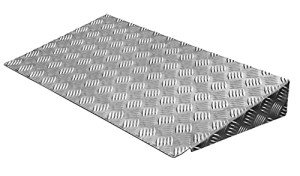
A portable aluminium threshold ramp is a lightweight, high-strength bridge designed to provide a smooth transition over small rises or uneven surfaces. Unlike permanent concrete ramps, these units are designed to be moved, stored, or installed temporarily without the need for major structural modifications to a building.
The choice of aluminium as the primary material is intentional. Known for its high strength-to-weight ratio, aluminium is robust enough to support heavy motorized scooters while remaining light enough for a caregiver or user to carry. Furthermore, its natural resistance to corrosion makes it ideal for both indoor and outdoor applications.
The Advantages of Aluminium Construction
When selecting a ramp, material choice dictates the product's longevity and ease of use. Aluminium stands out for several reasons:
- Lightweight Nature: Aluminium is roughly one-third the weight of steel, making these ramps significantly easier to transport.
- Weather Resistance: Unlike wood, which can rot, or steel, which can rust, aluminium develops a protective oxide layer that shields it from rain, snow, and humidity.
- High Weight Capacity: Despite being light, these ramps are often rated to support 600 to 800 pounds, accommodating both the user and a heavy power wheelchair.
- Low Maintenance: Generally, a simple wipe-down or a rinse with a hose is all that is required to keep an aluminium ramp in peak condition.
Technical Specifications and Selection Criteria
Choosing the correct ramp requires more than just picking a length. It involves understanding the relationship between the height of the obstacle (the "rise") and the length of the ramp. This ratio determines the steepness of the incline, which is critical for both manual wheelchair users (who need a gentler slope) and scooter users (who must avoid bottoming out).
Understanding the 1:12 Rule
The Americans with Disabilities Act (ADA) recommends a 1:12 slope for commercial applications, meaning for every 1 inch of rise, 12 inches of ramp length is required. For residential use and portable ramps, users sometimes opt for a 1:8 or 1:10 ratio depending on their physical strength or the motor power of their scooter.
Table 1: Load Capacity and Dimension Guide
The following table provides a general overview of standard specifications for portable threshold ramps:
| Ramp Type | Maximum Rise | Typical Width | Weight Capacity | Typical Weight of Ramp |
|---|---|---|---|---|
| Simple Plate | 0.5" - 1.5" | 30" - 34" | 600 lbs | 5 - 8 lbs |
| Bridge Ramp | 1" - 4" | 30" - 36" | 800 lbs | 10 - 20 lbs |
| Single-Fold | 2" - 6" | 30" | 750 lbs | 15 - 30 lbs |
| Adjustable Leg | 1" - 6" | 32" - 36" | 800 lbs | 12 - 25 lbs |
Common Types of Portable Threshold Ramps
No two doorways are exactly alike. Consequently, manufacturers offer several designs to accommodate various architectural challenges.
1. Simple Threshold Plates
These are flat or slightly arched pieces of aluminium that lay directly over a small lip. They are best for heights under 1.5 inches and are frequently used for bathroom thresholds or interior room transitions.
2. Bridge Ramps
Bridge ramps are designed specifically for sliding glass door tracks or thresholds that have a rise on both the interior and exterior. They "bridge" over the obstacle, providing a smooth path up and a smooth path down on the other side.
3. Single-Fold (Suitcase) Ramps
While these can be longer, many short aluminium ramps feature a center hinge. They fold in half lengthwise and often include a handle, making them the most "portable" option for users who travel frequently.
4. Adjustable Threshold Ramps
These models feature adjustable legs or flaps. This allows the user to fine-tune the height to match the specific doorway perfectly, ensuring there is no "lip" at the top where a wheel could get stuck.
Safety Features to Look For
Safety is the paramount concern when dealing with mobility equipment. A high-quality aluminium ramp should include several key safety features:
- Slip-Resistant Surface: The ramp should feature a high-traction surface, such as an applied grit tape (similar to sandpaper) or an extruded serrated surface. This prevents tires from slipping in wet conditions.
- Side Curbs/Rails: Small raised edges (usually 1-2 inches high) prevent the wheelchair or scooter from accidentally veering off the side of the ramp.
- Top Lip Extension: A sturdy top lip helps the ramp transition smoothly onto the landing surface and often includes pre-drilled holes for optional permanent mounting.
- Self-Adjusting Bottom Transition Plate: This ensures the ramp makes a flush connection with the ground at various angles.
Maintenance and Installation Tips
One of the primary selling points of portable aluminium ramps is that they do not require professional installation. However, proper placement is vital for safety.
- Surface Stability: Ensure the ground where the base of the ramp rests is firm and level. Placing a ramp on soft mud or loose gravel can lead to shifting during use.
- Alignment: The ramp must be centered on the doorway to allow ample room for the width of the wheelchair or scooter.
- Regular Inspections: Periodically check for any debris, oil, or ice on the surface. Ensure that any grip tape is not peeling and that the aluminium has not suffered any structural dents or bends from exceeding the weight limit.
Table 2: Comparison of Material Performance
| Feature | Aluminium | Steel | Rubber | Wood |
|---|---|---|---|---|
| Portability | High | Low | Moderate | Low |
| Weather Resistance | Excellent | Poor (Rusts) | Good | Poor (Rots) |
| Strength | Very High | Excellent | Moderate | Moderate |
| Weight | Very Light | Heavy | Heavy | Variable |
Frequently Asked Questions (FAQ)
Q: Can these ramps be used for motorized scooters?A: Yes. Most aluminium threshold ramps are designed with a high weight capacity (600–800 lbs) specifically to support the combined weight of a motorized scooter and the rider. Always check the specific weight rating before purchase.
Q: Are aluminium ramps noisy?A: Because they are hollow metal structures, they can produce some sound when wheels roll over them. However, many models include rubber padding on the underside to dampen noise and prevent the ramp from scratching the floor.
Q: Do I need to bolt the ramp down?A: For most portable applications, bolting is not required. However, many ramps come with pre-drilled holes. If the ramp will stay in one location for a long time, securing it with screws can provide extra stability and peace of mind.
Q: Can I use an aluminium ramp for a height of 10 inches?A: While possible, a 10-inch rise would require a very long ramp to remain safe (ideally 10 feet long). Most "threshold" ramps are designed for smaller rises of 1 to 6 inches. For 10 inches, a modular ramp system or a longer folding ramp is recommended.
Q: Will the ramp damage my flooring?A: Aluminium is generally gentle on floors, but the edges can be sharp. It is recommended to look for ramps with smooth underside finishes or to place a thin rubber mat beneath the contact points if using the ramp on delicate hardwood floors.
The portable aluminium threshold ramp is a vital tool in the pursuit of an accessible environment. By combining the physical properties of aluminium—strength, lightness, and durability—with thoughtful engineering, these ramps offer an immediate solution to mobility barriers. Whether it is for a permanent residence, a temporary rental, or for use while traveling, the right threshold ramp ensures that a small step never dictates where a person can or cannot go. Investing in a high-quality ramp is not just about purchasing a piece of hardware; it is about investing in freedom of movement and the preservation of independence.