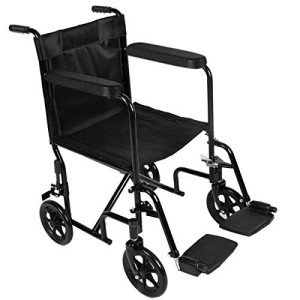
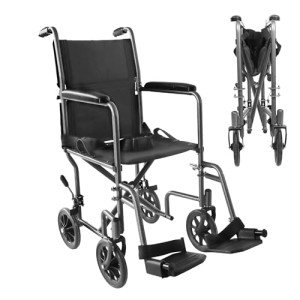
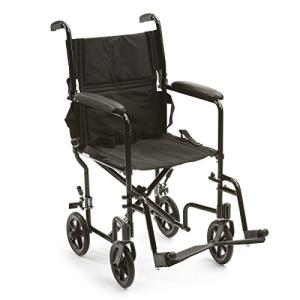
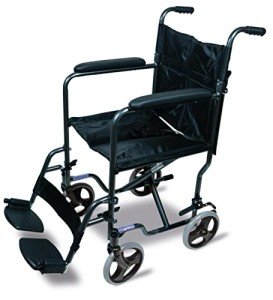
Mobility is a cornerstone of independence and quality of life. For individuals living with limited mobility due to age, injury, or chronic conditions, the right equipment can make the difference between isolation and an active, engaged lifestyle. Among the various mobility aids available today, the portable folding wheelchair with adjustable footrests has emerged as a premier solution. It combines the structural integrity required for daily use with the flexibility needed for modern travel and storage.
This guide explores the design, benefits, and technical specifications of portable folding wheelchairs, focusing specifically on how adjustable footrests enhance user comfort and ergonomics.
The Evolution of Wheelchair Design
Historically, wheelchairs were heavy, rigid structures that required significant effort to transport. They often necessitated specialized vehicles with lifts or ramps. However, engineering advancements have shifted the focus toward lightweight materials and modular designs. The modern portable folding wheelchair is designed to fit into the trunk of a standard sedan, the overhead compartment of a train, or a small storage closet, all while maintaining a weight capacity that supports a wide range of body types.
Why Portability Matters
Portability is not merely a convenience; it is a necessity for individuals who wish to maintain an active social life. A wheelchair that folds allows users to attend family gatherings, visit shopping centers, and travel via public transportation with greater ease. The folding mechanism usually involves a cross-brace frame that collapses the chair horizontally, making it thin and manageable for caregivers to lift.
The Vital Role of Adjustable Footrests
While many focus on the weight of the chair or the cushioning of the seat, the footrests are equally critical for long-term comfort and health. Adjustable footrests allow for the customization of the "seat-to-foot" distance, ensuring that the user’s weight is distributed evenly across the seat and thighs.
Benefits of Adjustable Footrests
- Pressure Redistribution: When footrests are at the wrong height, the user’s thighs may lift off the seat, putting excessive pressure on the ischial tuberosities (sit bones). Conversely, if they are too low, the user may slide forward. Adjustable footrests allow for the "Goldilocks" position.
- Circulation and Edema Prevention: For users who experience swelling in the lower extremities, footrests that can be elevated or adjusted help maintain proper blood flow.
- Accommodation for Different User Heights: A single wheelchair model can be used by individuals of varying heights simply by adjusting the leg length, making these chairs ideal for healthcare facilities or shared family use.
- Ease of Transfer: Most adjustable footrests also feature a "swing-away" or "removable" function. This allows the user to place their feet firmly on the ground when transitioning in or out of the chair without tripping over the footplates.
Technical Specifications and Comparisons
When selecting a portable folding wheelchair, it is essential to understand the technical differences between various models. Below is a comparison table outlining the differences between standard transport chairs and high-end portable folding wheelchairs.
Table 1: Standard vs. Portable Folding Wheelchair Comparison
| Feature | Standard Manual Wheelchair | Portable Folding Wheelchair |
|---|---|---|
| Frame Material | Steel | Lightweight Aluminum / Titanium |
| Typical Weight | 35 – 45 lbs | 19 – 28 lbs |
| Folding Width | 12 – 14 inches | 9 – 11 inches |
| Footrest Type | Fixed or Basic | Adjustable, Swing-away, Removable |
| Primary Use | Indoor / Hospital use | Travel, Outdoor, Daily Transport |
| Storage Ease | Moderate | High |
Key Features to Consider Before Purchase
Choosing the right mobility aid requires a balance between functionality and comfort. Here are the primary features a buyer should evaluate:
- Weight Capacity: Most portable models support between 250 and 300 lbs. It is crucial to ensure the user’s weight does not exceed the manufacturer’s limit to maintain structural integrity.
- Seat Width: Seats typically range from 16 to 20 inches. A seat that is too narrow will be uncomfortable, while one that is too wide may not provide enough lateral support.
- Braking Systems: Look for dual braking systems. This includes hand brakes for the caregiver (on the push handles) and manual wheel locks for the user.
- Upholstery Material: High-quality nylon or polyester meshes are preferred for their breathability, which prevents heat buildup during extended periods of sitting.
- Wheel Type: Solid rubber or polyurethane tires are best for portable chairs as they are "flat-free" and require little maintenance compared to pneumatic (air-filled) tires.
Ergonomics and User Positioning
Proper positioning is essential to prevent secondary complications such as scoliosis or skin breakdown. A portable folding wheelchair with adjustable footrests should be configured to support the "90-90-90" rule: 90 degrees at the hips, 90 degrees at the knees, and 90 degrees at the ankles.
Optimal Positioning Check-list
- Hips: Deep in the seat, touching the backrest.
- Thighs: Parallel to the ground; there should be a two-finger gap between the back of the knee and the seat edge.
- Feet: Flat on the footplates, with the heels firmly supported to prevent "foot drop."
- Arms: Resting comfortably on the armrests without the shoulders being hunched or drooping.
Maintenance and Care
To ensure the longevity of a folding wheelchair, regular maintenance is required. Because portable chairs have more moving parts (folding joints, adjustable footrests, quick-release wheels), they are susceptible to wear and tear.
- Weekly Cleaning: Wipe down the frame with a damp cloth to remove dust and salt, which can corrode the metal.
- Monthly Bolt Check: Ensure that all bolts and screws, especially around the folding cross-brace and the footrest pivots, are tight.
- Lubrication: Apply a silicone-based lubricant to the folding mechanisms and wheel axles every three to six months.
- Tire Inspection: Check for cracks or uneven wear on the tread.
Frequently Asked Questions (FAQ)
1. Can these wheelchairs be taken on an airplane?
Yes. Most portable folding wheelchairs are "gate-check" friendly. Because they fold into a compact shape, airlines allow them to be checked at the boarding bridge, and they are usually the first items returned to the passenger upon landing.
2. How do you adjust the footrests?
Most models use a "push-button" or "bolt-and-nut" system. For push-button models, the user or caregiver simply presses a small peg and slides the inner tube up or down to the desired height. Ensure the peg clicks firmly into the new hole before use.
3. Are portable folding wheelchairs suitable for self-propelling?
It depends on the rear wheel size. "Transport" chairs have four small wheels and require a caregiver to push. "Standard" portable folding chairs have large rear wheels with hand rims, allowing the user to self-propel if they have the upper body strength.
4. What is the benefit of a "swing-away" footrest?
Swing-away footrests rotate to the side of the chair. This is vital for safety during transfers, as it provides a clear path for the user to stand up or sit down without the risk of tripping over the footplates.
5. Is there a weight limit for the footrests themselves?
Yes. Footrests are designed to support the weight of the legs, not the entire body. Users should never stand on the footplates when entering or exiting the chair, as this can cause the chair to tip forward.
The portable folding wheelchair with adjustable footrests represents a significant leap forward in mobility technology. By addressing the dual needs of transportability and ergonomic support, these chairs empower users to navigate the world with greater confidence. Whether it is a short trip to the doctor or an international vacation, the ability to fold a wheelchair into a compact size—while ensuring the user's legs are correctly supported—provides a level of freedom that rigid, non-adjustable chairs simply cannot match. When selecting a model, prioritizing lightweight materials, ease of adjustment, and safety features will ensure a reliable and comfortable experience for years to come.