




Navigating a home or public space should be a seamless experience, yet for individuals using wheelchairs, power chairs, or mobility scooters, even a one-inch rise at a doorway can present a significant obstacle. Thresholds—the transition points between rooms or from the outdoors to the indoors—are often overlooked in standard architectural design. However, for those with limited mobility, these small bumps are more than just an inconvenience; they are safety hazards that can lead to tipped chairs or jarring impacts.
Rubber threshold ramps have emerged as one of the most effective, durable, and cost-efficient solutions to this problem. This guide explores the benefits, technical specifications, and selection criteria for rubber threshold ramps to help facility managers, caregivers, and homeowners create a more inclusive environment.
What is a Rubber Threshold Ramp?
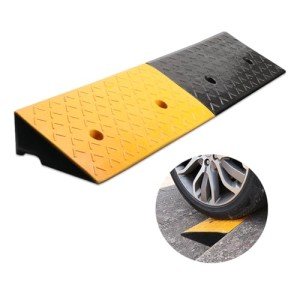
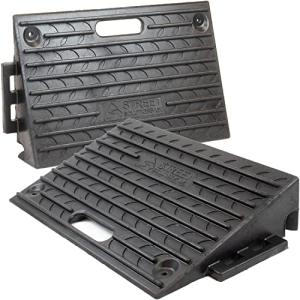
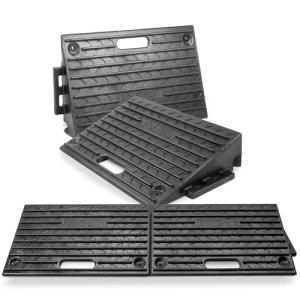
A rubber threshold ramp is a sloped wedge made typically from heavy-duty, recycled rubber. It is designed to sit flush against a door sill or a small step, providing a smooth, graduated incline that allows wheels to transition between different floor heights. Most of these ramps are engineered with a "beveled" design, meaning they offer a three-way entry (from the front and the sides), which prevents tripping and allows for easier maneuvering in tight spaces.
Unlike permanent concrete ramps or heavy metal installations, rubber ramps are often portable or semi-permanent. They rely on their own weight and high-friction material to stay in place, although they can be secured with adhesives or fasteners if necessary.
The Advantages of Choosing Rubber
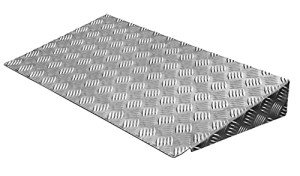
When selecting a ramp material, users typically choose between aluminum, plastic, and rubber. Rubber offers several unique advantages that make it a preferred choice for residential and commercial settings alike.
1. Slip Resistance and Safety
Rubber is naturally high-traction. Even when wet, the surface of a rubber ramp provides a superior grip compared to smooth aluminum or plastic. Many models feature molded-in slip-resistant grooves or patterns to further enhance safety during rain or snow.
2. Durability and Weather Resistance
Repurposed from industrial-grade tires, the recycled rubber used in these ramps is built to withstand extreme temperatures, UV exposure, and heavy loads. It does not rust like steel, corrode like aluminum, or crack like cheap plastic.
3. Noise Reduction
One of the most praised features of rubber is its sound-dampening quality. While metal ramps can clatter and echo when a heavy power chair rolls over them, rubber absorbs the impact and vibration, resulting in a nearly silent transition.
4. Customizability
Rubber ramps are unique because they can often be trimmed to fit specific doorway widths or heights using a common utility knife. This "trim-to-fit" capability is essential for older homes with non-standard door frames.
Material Comparison: Why Rubber Stands Out
The following table compares the three most common materials used for threshold transitions to help determine which is best for specific environments.
Table 1: Threshold Ramp Material Comparison
| Feature | Rubber Ramps | Aluminum Ramps | Plastic Ramps |
|---|---|---|---|
| Weight Capacity | Extremely High (up to 20,000 lbs) | High (up to 800 lbs) | Moderate (up to 500 lbs) |
| Durability | High (Weather-resistant) | High (Corrosion-resistant) | Moderate (Can become brittle) |
| Noise Level | Silent/Muffled | Loud/Metallic | Moderate |
| Installation | Immediate (Set and go) | Requires assembly/mounting | Immediate |
| Traction | Superior (Even when wet) | Good (if textured) | Poor to Moderate |
| Customization | Can be cut to size | Fixed sizes | Fixed sizes |
Key Features to Consider Before Purchasing
When selecting a rubber threshold ramp, several factors must be evaluated to ensure the safety and comfort of the user.
1. Rise Height
The most critical measurement is the vertical rise of the threshold. Ramps are usually sold in half-inch increments (e.g., 0.5”, 1.0”, 1.5”, 2.0”). Using a ramp that is too short will still leave a "bump," while one that is too high will create a dangerous lip at the top.
2. The Incline Gradient (Slope)
According to the Americans with Disabilities Act (ADA) guidelines, the ideal slope for a ramp is a 1:12 ratio (one inch of rise for every 12 inches of length). While threshold ramps for private residences often use a steeper 1:8 or 1:10 ratio due to space constraints, the gentler the slope, the easier it is for manual wheelchair users to self-propel.
3. Weight Capacity
While most rubber ramps are solid and can support thousands of pounds (making them suitable even for heavy industrial forklifts), it is important to verify that the specific product can handle the combined weight of the user and their mobility device.
4. Beveled Edges
A beveled edge allows a wheelchair or scooter to approach the ramp from any angle. This is particularly useful in hallways where a user might need to make a sharp turn to enter a room.
Technical Specifications: Standard Rubber Ramp Sizes
The following table outlines common sizes for rubber threshold ramps and their typical applications.
Table 2: Standard Dimensions and Usage
| Rise Height | Gradient Length | Best Use Case |
|---|---|---|
| 0.5 Inch | 4 - 6 Inches | Sliding glass door tracks, low interior thresholds. |
| 1.0 Inch | 8 - 12 Inches | standard bedroom doorways, small exterior lips. |
| 1.5 Inches | 12 - 18 Inches | Residential front doors, garage entry points. |
| 2.0 Inches | 18 - 24 Inches | High curbs, older transitions, garden paths. |
| 3.0 Inches + | 24 - 36 Inches | Large steps or significant variations in floor height. |
Installation and Maintenance
How to Install
Installation of a rubber threshold ramp is generally straightforward and requires no professional assistance.
- Clean the Surface: Ensure the threshold and the ground are free of debris, oil, or moisture.
- Position the Ramp: Place the ramp flush against the threshold.
- Trim if Necessary: If the ramp is wider than the door frame, use a straight edge and a utility knife to trim the excess rubber.
- Secure (Optional): Many users find the weight of the rubber (often 10–30 lbs) holds it in place. For high-traffic commercial areas, a bead of construction adhesive can be applied to the underside.
Care and Maintenance
Rubber ramps require minimal upkeep. They should be swept regularly to remove dirt or leaves that could reduce traction. If the ramp becomes dirty, it can be washed with mild soap and water. Harsh chemicals should be avoided, as they can degrade the recycled rubber over time.
Frequently Asked Questions (FAQ)
Can rubber threshold ramps be used on carpet?
Yes, they can. However, because rubber is heavy, it may compress the carpet padding over time. For maximum stability on thick carpets, some users place a thin piece of plywood or a hard mat underneath the ramp.
Do rubber ramps have a strong smell?
Since most of these ramps are made from recycled tires, they may have a "new tire" smell when first unpacked. In most cases, this odor dissipates within a few days, especially if the ramp is used in a well-ventilated area or outdoors.
Are these ramps ADA compliant?
Many rubber threshold ramps are designed to meet ADA requirements regarding slope and slip resistance. However, compliance often depends on the specific rise and the total length of the ramp. It is recommended to check the manufacturer’s specifications for "ADA Compliance" if the ramp is being installed in a public commercial building.
Can they be used for power scooters?
Absolutely. Rubber ramps are ideal for power scooters because they provide the necessary traction for the drive wheels to climb the incline without spinning.
Summary
The selection of a rubber threshold ramp is a practical and cost-effective investment in accessibility. By providing a durable, slip-resistant, and quiet transition, these ramps significantly improve the quality of life for mobility device users. Whether for a small interior doorway or a larger exterior step, the versatility of rubber ensures that barriers are removed safely and efficiently, fostering independence and ease of movement within any environment.