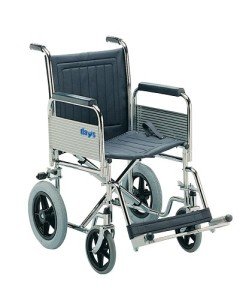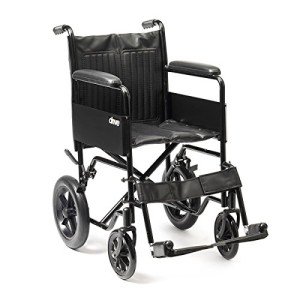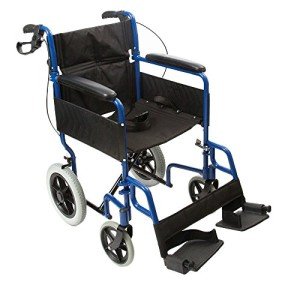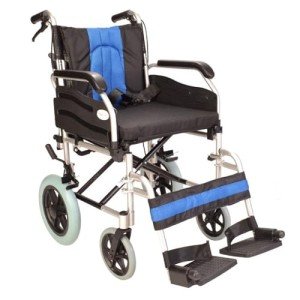

In the realm of mobility aids, the focus has historically remained primarily on the user. However, as the field of ergonomics evolves, there is an increasing recognition of the physical demands placed on the caregiver or "attendant." One of the most significant innovations in recent years is the ultra lightweight folding attendant wheelchair featuring tall handles. This specialized piece of equipment addresses two critical needs: the portability required for an active lifestyle and the ergonomic health of the person pushing the chair.
The Evolution of the Attendant-Propelled Wheelchair
Attendant-propelled wheelchairs, often referred to as transit chairs, differ from standard wheelchairs in that they feature smaller rear wheels. Because the user does not need to reach the wheels to self-propel, the chair can be designed with a more compact footprint.
The transition to "ultra lightweight" materials—typically high-grade aluminum or titanium alloys—has transformed these devices from cumbersome steel structures into nimble tools that can be lifted with a single hand. When combined with tall handles, these wheelchairs provide a comprehensive solution that mitigates the risk of musculoskeletal strain for caregivers.
Why Tall Handles Matter: Ergonomics for the Caregiver
One of the most common complaints among those who assist wheelchair users is chronic back pain. Standard wheelchair handles are often positioned at a height that forces the attendant to hunch forward or stoop, especially if they are of average or above-average height.
1. Spinal Alignment
Tall handles allow the attendant to maintain a neutral spinal position. By standing upright, the pusher can engage their core muscles and utilize their body weight more effectively, rather than relying solely on the lumbar region and shoulders.
2. Improved Leverage
A higher grip point provides better leverage when navigating over curbs or uneven terrain. This reduces the amount of force required to "tip" the chair back to clear obstacles, protecting the attendant’s wrists and forearms.
3. Increased Foot Room
Taller handle systems often coincide with a frame design that offers more clearance for the attendant's stride. This prevents the common issue of the pusher accidentally kicking the back of the wheelchair or the brake assembly while walking.
Technical Comparison: Standard vs. Ultra Lightweight Tall Handle Models
To understand the benefits, it is helpful to compare the specifications of a traditional transit chair against a modern ultra lightweight model with tall handles.
| Feature | Standard Attendant Wheelchair | Ultra Lightweight Tall Handle Model |
|---|---|---|
| Frame Material | Steel | High-Grade Aluminum / Carbon Fiber |
| Total Weight | 15kg – 20kg (33lbs – 44lbs) | 8kg – 12kg (17lbs – 26lbs) |
| Handle Height | Fixed (Approx. 90cm) | Extended/Adjustable (95cm – 105cm) |
| Folding Mechanism | Heavy Cross-Brace | Half-Folding Back & Compact Frame |
| Portability | Requires significant trunk space | Fits in small car boots/behind seats |
| Tire Type | Solid Rubber | High-Density Puncture-Proof Polyurethane |
Key Features to Look For
When selecting an ultra lightweight folding attendant wheelchair, several specific features contribute to its overall utility and longevity.
Advanced Folding Mechanisms
Modern chairs utilize a "half-folding back" system. This allows the top half of the backrest to fold downward, significantly reducing the vertical profile of the chair. When combined with a collapsible frame, the wheelchair becomes small enough to fit into the footwell of a car or a small storage closet.
Integrated Braking Systems
Unlike self-propelled chairs where the user manages the brakes, attendant wheelchairs should feature "loop-handle brakes" located on the handles. This allows the caregiver to control the speed of the chair on descents and lock the wheels securely during transfers without having to bend down to the wheel level.
Swing-Away Footrests
For safety during ingress and egress, the footrests should be able to swing to the side or be removed entirely. This prevents the user from tripping over the plates when standing up or sitting down.
Material Science
The use of 7000-series aluminum or heat-treated alloys ensures that the frame remains rigid and durable despite its low weight. These materials are resistant to corrosion, making the chair suitable for various outdoor environments.
Benefits of Ultra Lightweight Design
- Ease of Transportation: For families who frequently travel, the ability to lift a 9kg chair into a vehicle's boot without assistance is life-changing.
- Maneuverability in Tight Spaces: The smaller rear wheels and lightweight frame allow for a tighter turning radius, making the chair ideal for narrow hallways, cafes, and shopping aisles.
- Reduced Attendant Fatigue: Pushing a lighter load requires less caloric expenditure and puts less stress on the heart and lungs of the caregiver.
Dimensions and Capacity Table
While specific models vary, the following table outlines the typical dimensions and capacities for this category of mobility aid.
| Specification | Typical Measurement |
|---|---|
| Seat Widths | 16", 18", or 20" |
| Seat Depth | 16" |
| Handle Height from Floor | 98cm – 102cm |
| Max User Weight | 115kg – 125kg (250lbs – 275lbs) |
| Folded Width | 25cm – 30cm |
| Wheel Diameter (Rear) | 12" (30cm) |
Best Practices for Maintenance
To ensure the safety and longevity of an ultra lightweight wheelchair, a routine maintenance schedule should be followed:
- Weekly Cleaning: Wipe down the frame with a damp cloth to remove grit and salt, which can cause premature wear on moving parts.
- Brake Inspection: Regularly test the handle-mounted brakes to ensure they engage the tires firmly.
- Tire Check: Inspect the puncture-proof tires for any embedded debris or uneven wear patterns.
- Lubrication: Periodically apply a silicone-based lubricant to the folding hinges and wheel axles to maintain smooth operation.
Frequently Asked Questions (FAQ)
1. Are ultra lightweight wheelchairs less durable than heavy steel ones?
No. While they feel much lighter, the use of aerospace-grade aluminum and advanced welding techniques ensures these chairs meet rigorous safety standards. They are designed to support significant weight capacities while remaining flexible enough to absorb vibrations from the ground.
2. Can the tall handles be adjusted for different caregivers?
Many premium models offer height-adjustable handles. However, even "fixed" tall handles are generally set at a height (approx. 100cm) that is comfortable for the vast majority of adults, preventing the need to stoop.
3. Is this type of chair suitable for long-distance outdoor use?
These chairs are excellent for paved paths, shopping centers, and urban environments. If the "long distance" involves very rugged, off-road terrain, one might consider a model with larger pneumatic (air-filled) tires for better shock absorption, though this may add to the total weight.
4. How do I know if a "Tall Handle" chair is right for me?
If the primary attendant is 5'8" or taller, or if they suffer from existing back or shoulder pain, a tall handle model is highly recommended. It is also beneficial for shorter caregivers who prefer an upright posture to maximize their pushing power.
5. Can these wheelchairs be taken on an airplane?
Yes. Because they are folding and non-motorized, they are generally accepted by airlines at the gate. Their lightweight nature makes them easier for airport staff to handle, reducing the risk of damage during transit.
The Ultra Lightweight Folding Attendant Wheelchair with Tall Handles represents a significant step forward in inclusive design. By prioritizing the ergonomic needs of the caregiver alongside the comfort of the user, these chairs promote a more active and pain-free lifestyle for both parties. When shopping for such a device, focusing on frame weight, handle height, and ease of folding will ensure a choice that provides mobility and independence for years to come.