
For individuals with limited mobility, a home should be a sanctuary of comfort and independence. However, architectural elements that most people overlook—such as door thresholds, sliding door tracks, or small steps—can become significant barriers for those using wheelchairs, scooters, walkers, or canes. The VEVOR 3" Aluminum Door Threshold Ramp is engineered to bridge these gaps, offering a blend of durability, safety, and ease of use.
This guide provides an in-depth look at the specifications, benefits, and practical applications of this VEVOR mobility solution, illustrating how a simple piece of equipment can drastically improve quality of life.
The Challenge of Threshold Navigation
Navigating a home or commercial building often involves crossing specialized transitions between rooms or moving from the indoors to the outdoors. A standard three-inch rise might seem negligible to a pedestrian, but for a wheelchair user, it represents a jarring obstacle that can lead to physical strain or equipment damage.
Traditional solutions often involve expensive permanent renovations or bulky wooden structures. The VEVOR 3" Aluminum Door Threshold Ramp provides a portable, cost-effective, and highly durable alternative that meets the needs of both residential and commercial environments.
Technical Specifications at a Glance
To understand the capabilities of the VEVOR 3" ramp, it is essential to look at the engineering data. Below is a detailed breakdown of the product’s core specifications.
Table 1: VEVOR 3" Aluminum Door Threshold Ramp Specifications
| Feature | Details |
|---|---|
| Material | High-grade Aluminum Alloy |
| Rise Height | 3 inches (approx. 7.6 cm) |
| Load Capacity | 800 lbs (362.8 kg) |
| Surface Texture | Extruded non-slip traction |
| Weight | Approx. 14 - 16 lbs (varies by width) |
| Corrosion Resistance | High (Anodized/Natural finish) |
| Compatibility | Wheelchairs, Scooters, Walkers, Hand Trucks |
Key Features and Design Advantages
The VEVOR 3" Aluminum Door Threshold Ramp is designed with a focus on structural integrity and user safety. Several design choices set it apart from generic alternatives.
1. High-Strength Aluminum Construction
The choice of aluminum serves two purposes: strength and weight. Unlike steel, which can be prohibitively heavy and prone to rust, aluminum allows the ramp to remain lightweight enough for easy relocation while supporting up to 800 pounds. This high weight capacity ensures that heavy motorized wheelchairs and their occupants can traverse the ramp with complete confidence.
2. Superior Non-Slip Surface
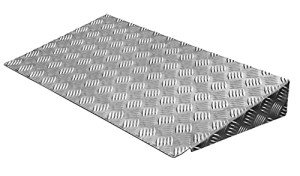
Safety is the paramount concern in mobility products. VEVOR utilizes an extruded aluminum surface with deep grooves. This texture provides maximum friction regardless of weather conditions. Whether the ramp is used in a rainy environment or inside a house with polished floors, the risk of wheels slipping is significantly minimized.
3. Beveled Edges and Smooth Transitions
The ramp is designed with a tapered edge that sits flush against the ground. This ensures that the initial transition onto the ramp is smooth, preventing the "lip" that can often trip individuals using walkers or cause jarring impacts for wheelchair users.
4. Modular and Portable Design
While many users choose to leave the ramp in a permanent location, its design allows for portability. It can be moved from the front door to a patio entrance or even placed in a vehicle for use during travel.
Installation and Setup
One of the most appealing aspects of the VEVOR 3" ramp is the simplicity of its installation. It does not require specialized tools or professional help in most standard scenarios.
Step-by-Step Installation Process:
- Measurement: Ensure the vertical rise of the threshold is exactly 3 inches or slightly less. Using a 3" ramp on a 4" step will create a dangerous "drop" at the top.
- Surface Cleaning: Clear the area of debris, stones, or dirt to ensure the ramp sits perfectly flat against the ground.
- Positioning: Place the ramp against the threshold. Ensure the top flap rests securely on the higher surface.
- Securing (Optional): Many VEVOR models come with pre-drilled holes. For permanent installation, high-strength screws can be used to anchor the ramp to wood or concrete surfaces to prevent it from shifting over time.
- Testing: Before full use, apply weight to the ramp to ensure there is no wobbling or instability.
Comparing Threshold Solutions
When selecting a ramp, consumers often choose between aluminum, rubber, and wood. Below is a comparison to highlight why aluminum is often the preferred choice for 3-inch rises.
Table 2: Material Comparison for Threshold Ramps
| Feature | Aluminum (VEVOR) | Rubber | Wood |
|---|---|---|---|
| Durability | Excellent | Good | Moderate (rots over time) |
| Weight | Lightweight | Heavy | Moderate |
| Maintenance | None (Wipe clean) | Low (can smell) | High (Paint/Seal) |
| Indoor/Outdoor | Both | Both | Best for Indoor |
| Eco-Friendly | Recyclable | Recycled materials | Sustainable (if treated) |
Practical Benefits for Daily Living
The implementation of a VEVOR threshold ramp offers immediate psychological and physical benefits.
- Increased Independence: The ability to move between rooms or enter/exit a home without assistance fosters a sense of autonomy for the user.
- Safety for Caregivers: Caregivers often suffer from back strain when lifting wheelchairs over small steps. The ramp eliminates the need for lifting, protecting the caregiver’s health.
- Versatile Utility: Beyond mobility aids, these ramps are exceptionally useful for household tasks. Moving heavy trash cans, pushing strollers, or using hand trucks for grocery deliveries becomes effortless.
- Weather Resistance: Unlike rubber, which can become brittle in extreme cold, or wood, which can swell in humidity, aluminum remains stable across all climates.
FAQ: Frequently Asked Questions
Q: Can this ramp be used for a 2.5-inch threshold?A: Yes. While it is designed for a 3-inch rise, it can function at slightly lower heights. However, the incline will be slightly more gradual, and the top lip may have a small overhang. It is not recommended for heights significantly lower (like 1 inch) or any height higher than 3 inches.
Q: Is the ramp noisy when driven over?A: Aluminum ramps can produce a hollow metallic sound. This can be mitigated by placing a thin piece of outdoor-rated rubber padding underneath the ramp or by securing it firmly to the ground with screws.
Q: Does it require any maintenance?A: Virtually none. An occasional spray with a hose to remove mud or grit from the traction grooves is sufficient to keep it in peak condition. Aluminum does not rust, so it will not require painting.
Q: Can it be used for a motorized scooter?A: Absolutely. With an 800-lb weight capacity, it is more than capable of supporting the combined weight of a heavy power scooter and the operator.
Q: Is the ramp surface sharp?A: No. While the traction grooves are pronounced to provide grip, the edges are typically finished to prevent cuts or scrapes during handling.
Environmental and Long-term Value
Investing in a VEVOR aluminum ramp is a sustainable choice. Aluminum is one of the most recycled materials globally. Should the ramp no longer be needed, it retains scrap value and is 100% recyclable, unlike pressure-treated wood or certain synthetic rubbers. Furthermore, the longevity of the product—spanning decades if handled correctly—ensures that the cost per use is remarkably low.
The VEVOR 3" Aluminum Door Threshold Ramp is a vital tool for anyone seeking to create an accessible, barrier-free environment. By combining high-grade materials with a safety-first design, it addresses the technical and practical challenges of residential mobility. Whether it is used for a permanent home modification or as a portable aid for travel, its reliability and strength make it an industry-standard choice. For those prioritizing safety, durability, and ease of installation, this ramp stands as a premier solution for bridging the small gaps that make a big difference in daily life.