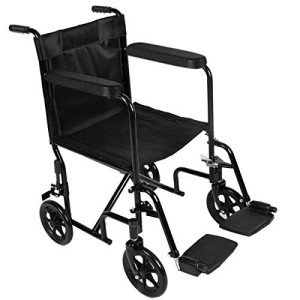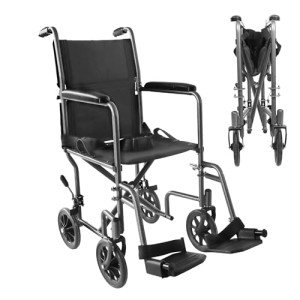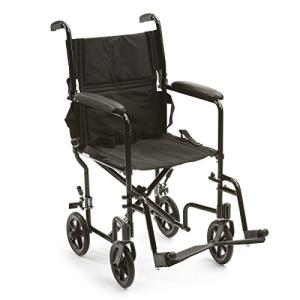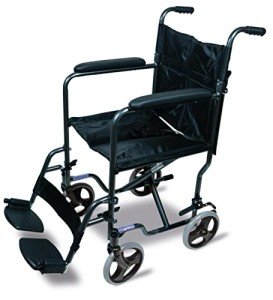


For many individuals with limited mobility, the world often feels divided into two categories: the accessible indoors and the challenging outdoors. Standard manual wheelchairs are marvels of engineering for polished floors, hospital hallways, and paved sidewalks. However, when the pavement ends and the gravel, grass, or sand begins, these traditional models often fall short.
The Voyager Folding Outdoor All-Terrain Wheelchair (18”) was designed specifically to bridge this gap. By combining the portability of a traditional folding chair with the rugged durability of an off-road vehicle, it provides users with the freedom to explore environments that were previously considered unreachable. In this guide, we will analyze the features, specifications, and practical benefits of the Voyager 18” model.
The Engineering Behind All-Terrain Mobility
At its core, the Voyager All-Terrain Wheelchair is built on a philosophy of rugged versatility. Unlike "boutique" off-road chairs that are heavy, non-collapsible, and prohibitively expensive, the Voyager aims for a balance between extreme capability and everyday practicality.
Frame and Build Quality
The frame is typically constructed from high-grade, lightweight aluminum or reinforced steel, depending on the specific iteration of the model. The 18-inch seat width is considered the "gold standard" for adult mobility, providing enough space for comfort and winter clothing without making the chair too wide to pass through standard doorways.
The geometry of the frame is slightly different from a standard manual chair. It features a wider wheelbase and a lower center of gravity, which are essential for maintaining stability when navigating uneven inclines or side-slopes found in nature parks and hiking trails.
The Wheel System: The Heart of the Voyager
What truly separates the Voyager from a standard wheelchair is its wheel assembly. Standard wheelchairs use thin, high-pressure tires that sink into soft surfaces like mud or sand. The Voyager utilizes:
- Large Rear Drive Wheels: Equipped with deep-tread pneumatic tires, these wheels provide the traction necessary to move over loose soil and wet grass.
- Heavy-Duty Front Casters: The front wheels are wider and more robust than traditional casters. This prevents the "dig-in" effect that often leads to standard chairs tipping forward on uneven ground.
Technical Specifications at a Glance
To understand how the Voyager performs, it is helpful to look at the raw data. The following table highlights the primary specifications for the 18-inch folding model.
Table 1: Voyager 18” Technical Specifications
| Feature | Specification |
|---|---|
| Seat Width | 18 Inches |
| Weight Capacity | 250 lbs - 300 lbs (Model Dependent) |
| Frame Material | Reinforced Aluminum / Powder-Coated Steel |
| Rear Wheel Type | 24" Pneumatic All-Terrain Tires |
| Front Caster Size | 8" x 2" Ruggedized Casters |
| Folded Width | Approx. 12 - 13 Inches |
| Product Weight | 34 lbs - 38 lbs |
| Upholstery | Heavy-duty, Water-resistant Nylon |
Key Features and Benefits
The Voyager is more than just a chair with bigger tires; it is a system designed for the active user. Here are the primary features that contribute to its performance:
1. Advanced Folding Mechanism
One of the most significant barriers to owning an all-terrain wheelchair is transport. Many off-road models require a specialized van or trailer. The Voyager, however, features a cross-brace folding design. This allows the chair to collapse to a width of roughly 12 inches, making it easy to slide into a car trunk or a closet.
2. Enhanced Braking Systems
Safety is paramount when navigating slopes. The Voyager is equipped with dual-action hand brakes. These high-friction locks ensure that the chair stays stationary even on slippery grass or gravel inclines. Many versions also include attendant brakes on the push handles, allowing a caregiver to control the speed during descents.
3. Ergonomic Comfort for Long Treks
Outdoor excursions often last longer than a trip to the grocery store. The Voyager 18” includes:
- Padded Armrests: Usually flip-back or removable to facilitate easy side-transfers.
- Swing-Away Footrests: Featuring adjustable heights to ensure proper leg circulation and comfort on bumpy rides.
- Breathable Upholstery: Designed to prevent heat buildup during sun-exposed outdoor activities.
Comparison: Standard Wheelchair vs. Voyager All-Terrain
To justify the switch to an all-terrain model, it is important to see how it stacks up against a standard manual wheelchair in real-world scenarios.
Table 2: Comparison of Performance Environments
| Environment | Standard Manual Wheelchair | Voyager All-Terrain Wheelchair |
|---|---|---|
| Paved Sidewalks | Excellent | Very Good |
| Thick Grass / Parks | Poor (High resistance) | Excellent (Low resistance) |
| Gravel Pathways | Dangerous (Front casters stick) | Stable (Wide casters glide over) |
| Sand/Beaches | Impossible | Possible (Firm sand) |
| Mud/Soft Soil | Not Recommended | Capable |
| Transportability | High | High (Due to folding design) |
Navigating Various Terrains: A User Guide
The Voyager enables access to various environments, but each requires a different approach:
Wooded Trails and Forest Paths
On forest paths, the primary obstacles are protruding roots and damp leaves. The Voyager’s 8-inch front casters are designed to "hop" over minor obstructions that would stop a smaller wheel dead in its tracks. The knobby tread on the rear tires ensures that the user can maintain momentum even if the ground is slightly slick.
Gravel and Crushed Stone
Standard wheelchairs often experience "caster flutter" on gravel, where the front wheels vibrate uncontrollably. The Voyager’s heavy-duty front forks and wider tires absorb these vibrations, providing a smoother ride and reducing upper-body fatigue for the user.
Urban Challenges: Cobblestones and Cracked Pavement
While designed for the wild, the Voyager is an excellent "urban explorer." In historic cities with cobblestone streets or neighborhoods with poorly maintained sidewalks, the pneumatic tires act as a natural suspension system, cushioning the user from harsh jolts.
Maintenance for Longevity
Because the Voyager is exposed to dirt, moisture, and debris more frequently than indoor chairs, a regular maintenance routine is essential.
- Tire Pressure: Since the chair uses pneumatic tires, keeping them inflated to the recommended PSI is vital for reducing rolling resistance.
- Cleaning: After a trip through mud or salt (near the ocean), the frame and moving parts should be wiped down with a damp cloth to prevent corrosion.
- Lubrication: The folding joints and wheel axles should be lubricated periodically with a silicone-based spray to ensure the folding mechanism remains smooth.
- Fastener Check: The vibrations from off-road use can occasionally loosen bolts. A monthly check of the footrest and armrest attachments is recommended.
Summary of Advantages
- Portability: Folds just like a standard chair for easy travel.
- Versatility: Works equally well in a shopping mall or a national park.
- Durability: Built to withstand the elements with weather-resistant materials.
- Independence: Empowers users to join family outings on trails, beaches, and parks.
Frequently Asked Questions (FAQ)
Is the Voyager 18” suitable for indoor use?
Yes. Despite its "All-Terrain" designation, the 18-inch seat width and standard folding frame allow it to navigate most indoor spaces and hallways without difficulty. However, the wider tires may track more outdoor debris inside if not cleaned.
Can the Voyager be used on soft beach sand?
The Voyager performs exceptionally well on packed, firm sand. Like almost all manual wheelchairs, it may struggle in very deep, dry, powdery sand unless it is equipped with specialized "balloon" tires. However, it is significantly more capable than a standard chair in beach environments.
Do the tires require a lot of maintenance?
The pneumatic tires require air, much like a bicycle. Users should check tire pressure once a month. The benefit of pneumatic tires is the significantly improved shock absorption compared to solid rubber tires.
Is this chair difficult to push for an attendant?
Actually, it is often easier for an attendant to push a Voyager on grass or gravel than a standard chair. The larger wheels and specialized tread reduce the amount of physical force required to overcome uneven terrain.
What is the advantage of the 18-inch seat?
The 18-inch seat is the standard width for most adults. It offers a balance between user comfort and the overall footprint of the chair, ensuring it remains maneuverable in tight spaces while providing adequate support.
The Voyager Folding Outdoor All-Terrain Wheelchair (18”) represents a significant step forward in inclusive design. It acknowledges that people with mobility challenges do not just want to move through a room; they want to move through the world. By prioritizing both rugged capability and transportable convenience, the Voyager ensures that a "nature walk" is no longer an off-limits activity, but a Sunday afternoon staple.