When it comes to bariatric wheelchairs, you want something that’s sturdy and dependable. These chairs are designed specifically for larger users, offering extra support and comfort without skimping on style. With a variety of options available, you're sure to find one that meets your needs and makes getting around easier.
Bariatric Wheelchairs
Durable and spacious wheelchairs designed for comfort and support
Product List
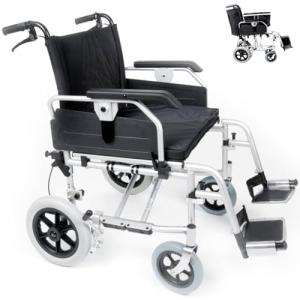
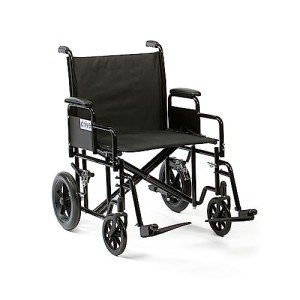
Drive Devilbiss 22" Bariatric Wheelchair
Devilbiss Healthcare
Product Review Score
4.66 out of 5 stars
34 reviews$356.57 $343.31
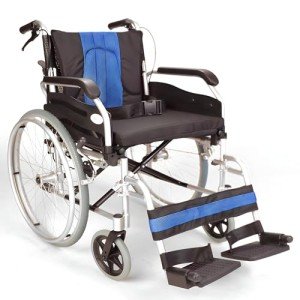
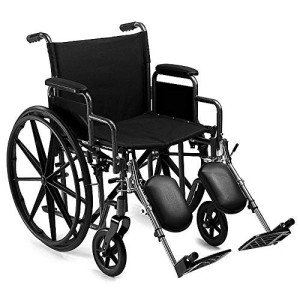
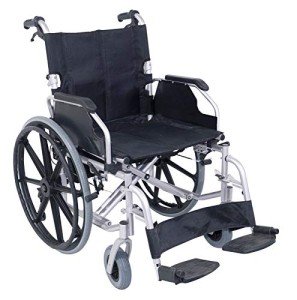
Folding Aluminum Wheelchair - 20” Seat
Elite Care
Product Review Score
4.84 out of 5 stars
204 reviews$299.00
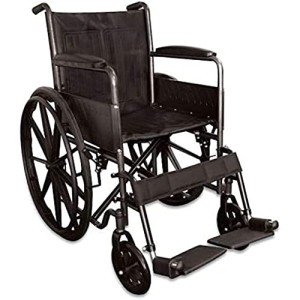
Folding Bariatric Wheelchair
Aidapt
Product Review Score
4.91 out of 5 stars
14 reviews$344.62 $290.29
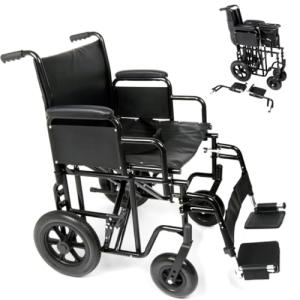
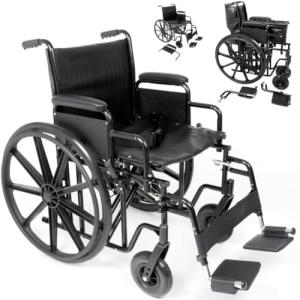
Atlas Heavy-Duty Folding Wheelchair
U-Go
Product Review Score
4.35 out of 5 stars
147 reviews$291.60
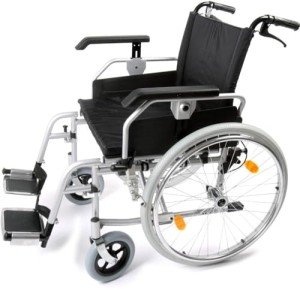
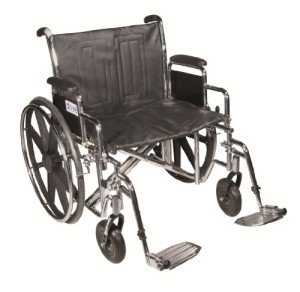
Drive Medical Bariatric Wheelchair
Drive Medical
Product Review Score
4.25 out of 5 stars
63 reviews$367.00
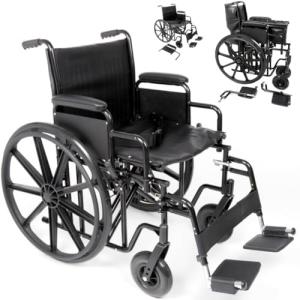
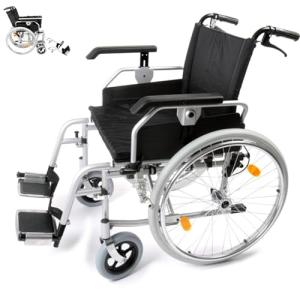
U-Go Heavy Duty Folding Wheelchair
U-Go
Product Review Score
4.68 out of 5 stars
113 reviews$424.15
Mobility is a fundamental component of independence and quality of life. For individuals with higher body weights, standard mobility aids often fall short in providing the necessary support, safety, and comfort. This is where bariatric wheelchairs—also known as heavy-duty or extra-wide wheelchairs—become essential. These specialized devices are engineered to accommodate larger weight capacities and broader frames, ensuring that mobility remains accessible to everyone regardless of their size.
This guide explores the intricate details of bariatric wheelchairs, their key features, and how to select the right model for specific needs.
What is a Bariatric Wheelchair?
A bariatric wheelchair is a mobility device specifically designed for individuals who exceed the weight capacity of a standard wheelchair, which typically tops out at 250 to 300 pounds. Bariatric models are constructed to support weights ranging from 300 to over 1,000 pounds.
Beyond weight capacity, these chairs are designed with wider seats and reinforced frames to prevent structural failure. They are not merely "upsized" versions of standard chairs; they are precision-engineered tools built with high-stress tolerances in mind.
Key Structural Differences
To understand the necessity of these devices, one must look at the structural enhancements that differentiate them from standard models:
- Reinforced Frames: Most bariatric chairs utilize heavy-duty steel or reinforced aluminum.
- Dual Cross-Braces: Standard chairs often have a single "X" brace under the seat; bariatric models frequently use double or triple braces to prevent the frame from bowing.
- Heavy-Duty Upholstery: The fabric used for seating is often double-lined or reinforced with nylon to prevent sagging or tearing over time.
- Solid Tires: To support the increased load without the risk of flats, many bariatric chairs use solid rubber or foam-filled tires rather than pneumatic (air-filled) ones.
Comparison: Standard vs. Bariatric Wheelchairs
The following table highlights the primary technical differences between these two categories of mobility aids.
| Feature | Standard Wheelchair | Bariatric Wheelchair |
|---|---|---|
| Weight Capacity | 250 – 300 lbs | 300 – 1,000+ lbs |
| Seat Width | 16" – 20" | 22" – 30"+ |
| Frame Material | Aluminum or basic steel | Heavy-duty steel or reinforced alloy |
| Cross-Bracing | Single brace | Dual or triple braces |
| Axle Position | Fixed or limited adjustment | Often reinforced and multi-positional |
| Average Weight of Chair | 30 – 40 lbs | 50 – 100+ lbs |
Types of Bariatric Wheelchairs
Bariatric wheelchairs are categorized based on their propulsion method and their intended use. Choosing the right type depends heavily on the user’s physical strength and daily environment.
1. Manual Bariatric Wheelchairs
These are propelled by the user pushing the handrims on the rear wheels. Because these chairs are heavier than standard models, the user must have significant upper-body strength. Some manual models are "transport" chairs, which have four small wheels and require an attendant to push the individual.
2. Power Bariatric Wheelchairs
Motorized bariatric wheelchairs are ideal for individuals who lack the stamina or strength to propel a heavy-duty manual chair. These feature high-torque motors and heavy-duty suspension systems to handle the increased weight while navigating inclines or uneven terrain.
3. Reclining and Tilt-in-Space Models
For users who spend extended periods in their chairs, reclining or "tilt-in-space" bariatric wheelchairs offer pressure relief. By shifting the user's weight, these chairs help prevent pressure sores (decubitus ulcers) and improve circulation.
Essential Features to Consider
When selecting a bariatric wheelchair, several specific features should be evaluated to ensure the best fit and maximum safety.
Seat Dimensions
The seat must be wide enough to accommodate the user comfortably without pinching, but not so wide that the user cannot reach the handrims. Generally, there should be about an inch of space on either side of the hips.
Armrests and Footrests
- Removable Armrests: These are crucial for side transfers from a bed or another chair.
- Swing-Away Footrests: These allow the user to stand up or sit down without tripping over the footplates.
- Reinforced Footplates: Given the weight of the legs, footplates must be made of durable materials like aluminum rather than plastic.
Seating and Positioning Guide
The sizing of a bariatric wheelchair is the most critical factor for long-term health and comfort.
| Measurement | Recommendation |
|---|---|
| Seat Width | Hip width plus 1 to 2 inches. |
| Seat Depth | Distance from the back of the buttocks to the back of the knee, minus 2 inches. |
| Seat-to-Floor Height | Should allow for comfortable leg positioning or foot propulsion if necessary. |
| Back Height | Should provide adequate trunk support based on the user's core stability. |
The Importance of Professional Assessment
It is highly recommended that a bariatric wheelchair be prescribed after an assessment by a Physical Therapist (PT) or Occupational Therapist (OT). These professionals can perform a "seating clinic" evaluation to determine if specific modifications, such as custom cushions or specialized backrests, are required to prevent skeletal misalignment or skin breakdown.
Maintenance and Safety Tips
Bariatric wheelchairs undergo significant stress. To ensure the safety of the user, a regular maintenance schedule must be followed:
- Weekly Bolt Checks: Ensure all nuts and bolts are tight, especially around the cross-braces and axles.
- Tire Inspection: Check for wear and tear. For pneumatic tires, maintain the specific PSI listed on the sidewall.
- Upholstery Integrity: Check for any signs of fraying or thinning in the seat material.
- Brake Functionality: Test the wheel locks daily to ensure they hold the chair firmly in place during transfers.
The Benefits of a Proper Fit
Investing in a high-quality bariatric wheelchair offers more than just mobility; it provides:
- Safety: Reduced risk of the chair tipping or the frame collapsing.
- Skin Health: Proper weight distribution reduces the risk of painful pressure sores.
- Independence: Enables users to participate in social activities and navigate their homes with confidence.
- Comfort: Ergonomic designs reduce the strain on the back and hips.
Frequently Asked Questions (FAQ)
1. Will a bariatric wheelchair fit through standard doorways?
Standard interior doorways are usually 28 to 30 inches wide, while entry doors are 36 inches. Many bariatric wheelchairs, especially those with seat widths over 24 inches, may require modifications to the home, such as installing "offset" hinges or widening door frames.
2. Does Medicare cover bariatric wheelchairs?
Yes, Medicare Part B typically covers bariatric wheelchairs as Durable Medical Equipment (DME). However, it usually requires a doctor’s prescription stating that the equipment is a medical necessity and an evaluation showing that a standard wheelchair cannot support the user’s weight.
3. Can bariatric wheelchairs be folded for travel?
Many manual bariatric wheelchairs are designed with a folding cross-brace frame. However, because the frame is reinforced, these chairs are significantly heavier than standard models and may require two people or a vehicle lift to load into a car. Power bariatric chairs generally do not fold and require a specialized van or lift.
4. How do I know if I need a manual or a power bariatric chair?
The decision usually comes down to upper body strength and cardiovascular health. If self-propelling a 60-pound chair causes excessive fatigue or pain, a power chair is likely the better option for maintaining independence.
5. Are there weight limits for the accessories?
Yes. It is important to remember that things like oxygen tank holders, bags, and upgraded cushions also have weight considerations. Always check if the combined weight of the user and their accessories falls within the chair's total weight capacity.
Bariatric wheelchairs are vital instruments of inclusivity, ensuring that individuals of all sizes can navigate the world safely and comfortably. By focusing on reinforced construction, ergonomic design, and precise sizing, these devices offer a level of reliability that standard chairs simply cannot match. Whether choosing a manual model for short-distance transport or a power model for daily independence, selecting the right bariatric wheelchair is a significant step toward a more mobile and empowered lifestyle.