Telescopic wheelchair ramps are a game-changer for anyone looking to make their life easier. They’re lightweight and super easy to store, so you can take them wherever you go. With a simple pull, you can create a safe and sturdy path for wheelchairs and scooters, giving you the freedom to access more places without hassle.
Telescopic Wheelchair Ramps
Find the perfect ramp to make accessing your wheelchair easier and more convenient
Product List
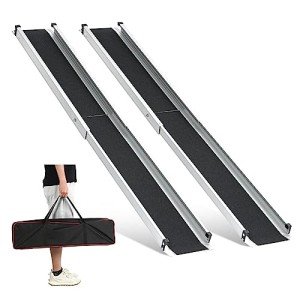
Gardhom Adjustable Wheelchair Ramps
Gardhom
Product Review Score
4.44 out of 5 stars
145 reviews$126.96
Telescopic Wheelchair Ramps 4ft-7ft
The Ramp People
Product Review Score
4.82 out of 5 stars
142 reviews$174.75
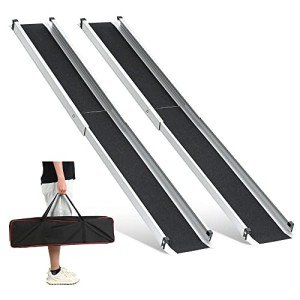
6FT Adjustable Scooter Ramps
Gardhom
Product Review Score
4.23 out of 5 stars
15 reviews$177.39 $168.41
Adjustable Wheelchair Ramps 6ft-12ft
The Ramp People
Product Review Score
4.46 out of 5 stars
105 reviews$309.79
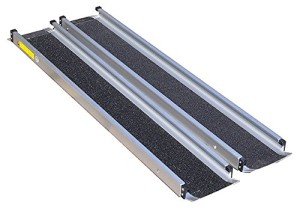
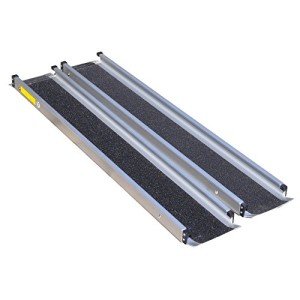
Portable Aluminum Wheelchair Ramp
Fenetic Wellbeing
Product Review Score
4.5 out of 5 stars
189 reviews$256.66
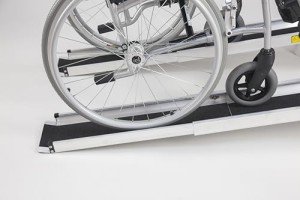
Telescopic Wheelchair Ramps 4-7ft
The Ramp People
Product Review Score
4.59 out of 5 stars
225 reviews$135.04
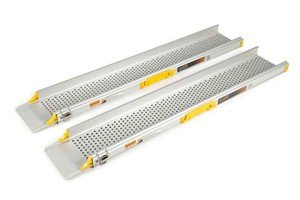
Telescopic Wheelchair Ramp 6-12ft
The Ramp People
Product Review Score
4.99 out of 5 stars
223 reviews$238.30
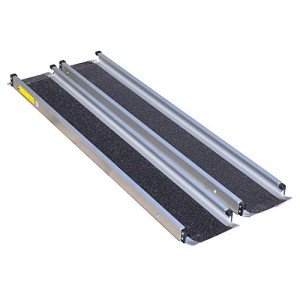
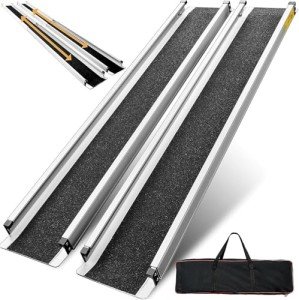
Adjustable 5FT Wheelchair Ramps
Gardhom
Product Review Score
4.49 out of 5 stars
199 reviews$136.97 $128.99
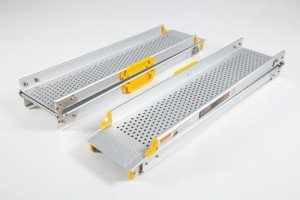
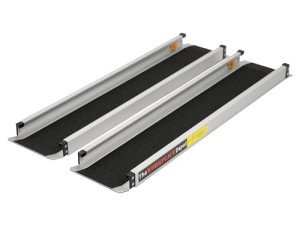
Telescopic Wheelchair Ramps Set
The Workplace Depot
Product Review Score
4.87 out of 5 stars
125 reviews$150.91
For individuals with limited mobility, the world is often a landscape of architectural challenges. Standard entrances, vehicle thresholds, and even single steps can become significant barriers to independence. Among the various solutions designed to bridge these gaps, telescopic wheelchair ramps have emerged as one of the most versatile and essential tools for both manual and power wheelchair users. This guide provides an in-depth exploration of telescopic ramps, detailing their design, benefits, selection criteria, and safety protocols.
What are Telescopic Wheelchair Ramps?
Telescopic wheelchair ramps are portable accessibility devices characterized by their ability to extend and retract. Unlike fixed ramps or single-fold ramps, telescopic models consist of two or more nested sections that slide over each other. This "telescoping" mechanism allows the ramp to be stored at a fraction of its full length while providing the necessary reach to clear various heights.
Most commonly manufactured from high-grade, lightweight aluminum, these ramps are usually sold in pairs. They are designed to support the wheels of a mobility device on two separate tracks, making them highly adaptable to different wheelbases and environments.
The Key Advantages of Telescopic Designs
The popularity of telescopic ramps in the mobility industry stems from several functional advantages:
- Adjustable Length: One of the primary benefits is the ability to use the ramp at various extension points. A single pair of telescopic ramps can often be locked at different lengths, allowing them to handle a small curb one day and a vehicle threshold the next.
- Compact Portability: Because the sections slide into one another, these ramps are significantly easier to transport than long, rigid ramps. They fit easily into most car trunks, behind seats, or in storage closets.
- Lightweight Construction: By utilizing aerospace-grade aluminum, manufacturers ensure the ramps are light enough for a caregiver or user to carry, typically featuring ergonomic handles.
- High Weight Capacity: Despite their light frame, these ramps are engineered to support substantial weight, often ranging from 400 to 800 lbs per pair.
Technical Specifications and Variations
When evaluating telescopic ramps, it is essential to understand the different configurations available. Most models fall into the categories of 2-section or 3-section ramps.
Comparison Table: 2-Section vs. 3-Section Ramps
| Feature | 2-Section Telescopic Ramps | 3-Section Telescopic Ramps |
|---|---|---|
| Collapsed Length | Generally longer (e.g., 5ft collapses to 3ft) | Very compact (e.g., 7ft collapses to 2.8ft) |
| Max Extended Length | Typically up to 6 or 7 feet | Can extend up to 10 or 12 feet |
| Weight | Slightly lighter due to fewer moving parts | Heavier due to additional sliding hardware |
| Best Use Case | Low curbs, single steps, small SUVs | Tall vans, high porch steps, steep inclines |
| Stability | High (fewer joints) | Moderate (requires careful locking) |
Key Factors to Consider When Selecting a Ramp
Choosing the right telescopic ramp requires more than just picking a brand. Users must calculate their specific needs based on the environment and the mobility device being used.
1. Determining the Correct Length (The Gradient)
The most critical factor is the slope. A ramp that is too short for a high rise will create a dangerously steep incline. While the ADA (Americans with Disabilities Act) recommends a 1:12 slope for permanent ramps (1 foot of ramp for every 1 inch of rise), portable ramps for residential use often utilize a 1:6 or 1:8 ratio.
- 1:12 Ratio (Ideal): For a 12-inch rise, a 12-foot ramp is required.
- 1:6 Ratio (Maximum Steepness): For a 12-inch rise, a 6-foot ramp is used. This is generally only recommended for unoccupied chairs or very strong assistants.
2. Weight Capacity
The "Total Load" includes the weight of the wheelchair, the occupant, and any accessories (oxygen tanks, bags). It is vital to ensure the ramp’s rated capacity exceeds this total weight to prevent structural failure.
3. Track Width
Telescopic ramps come in varying widths. The user must ensure the tracks are wide enough to accommodate the tires of the wheelchair or scooter comfortably. Most standard tracks are between 6 and 8 inches wide.
4. Surface Traction
Safety is paramount. High-quality telescopic ramps feature:
- Serrated surfaces: To provide grip even in wet or icy conditions.
- Grip tape: High-friction sandpaper-like strips.
- Side curbs: Raised edges (usually 2–3 inches) to prevent the wheelchair from sliding off the side.
Maintenance and Care
To ensure the longevity and safety of telescopic ramps, regular maintenance is required. Because these devices rely on sliding mechanisms, debris can become a hindrance.
- Cleaning the Tracks: Use a damp cloth to remove dirt, salt, or grit from the internal sliding channels. Debris can scratch the aluminum and cause the sections to jam.
- Checking the Locks: Ensure the spring-loaded pins or locking collars are functioning correctly. A ramp that is not fully locked can collapse during use.
- Inspecting the Feet: Most ramps have rubberized "head" and "tail" sections to prevent slipping. Check these for wear and tear; if the rubber becomes smooth or brittle, it should be replaced.
Safety Guidelines for Usage
Using telescopic ramps requires adherence to specific safety protocols to avoid accidents:
- Stable Ground: Always ensure both the top and bottom of the ramps are resting on a flat, stable surface.
- Alignment: The two tracks must be parallel and spaced exactly to match the wheelchair’s wheels.
- Attendant Assistance: Unless the incline is very shallow, it is highly recommended that an attendant assists the wheelchair user when navigating portable telescopic ramps.
- Lock Verification: Double-check that all telescopic sections are clicked into their locked positions before applying weight.
Frequently Asked Questions (FAQ)
Q: Can telescopic ramps be used for three-wheeled mobility scooters?
Generally, no. Telescopic ramps consist of two separate tracks. Three-wheeled scooters have a central front wheel that would fall through the gap between the tracks. For three-wheeled scooters, a "suitcase" or "bridge" style ramp (which offers a solid wide surface) is required.
Q: Are telescopic ramps permanent?
No, they are designed specifically for temporary use. They lack the handrails and platform stability required for permanent installations under building codes. Leaving them outside indefinitely may also lead to oxidation and stiffening of the sliding mechanism.
Q: How do I know if the ramp will fit in my car?
Always check the "collapsed length" in the product specifications. Most 2-section 6-foot ramps collapse to approximately 3.5 feet, which fits across the back seat or in the trunk of a standard sedan. 3-section ramps are even more compact.
Q: Can I use just one track for a bicycle or a single-wheeled cart?
While technically possible, telescopic ramps are engineered and weight-rated based on the weight being distributed across two tracks. Using a single track may exceed the localized weight limit and cause the ramp to bend.
Q: What material is best for these ramps?
Aluminum is the industry standard. It offers the best strength-to-weight ratio and is naturally resistant to rust. Some heavy-duty models utilize steel, but these are significantly heavier and less portable.
Telescopic wheelchair ramps represent a vital intersection of engineering and accessibility. They provide a portable, adjustable, and reliable way for individuals with mobility challenges to navigate a world that is not always designed with inclusivity in mind. By understanding the technical requirements—such as the necessary gradient, weight capacity, and maintenance—users and caregivers can select a tool that provides both safety and freedom. Whether it is for a weekend trip, visiting a friend's home, or simply accessing a vehicle, these ramps ensure that the journey remains as smooth as possible.