




In an era where inclusivity and accessibility are paramount, the tools used to bridge the gap between mobility-challenged individuals and their environments have seen significant innovation. One of the most versatile and essential tools in this category is the 3-foot (3FT) foldable wheelchair ramp. Often overlooked because of its compact size, this specific length offers a unique balance of portability, strength, and utility that makes it an indispensable asset for homeowners, caregivers, and businesses alike.
This guide explores the technical specifications, safety benefits, and practical applications of the 3FT foldable wheelchair ramp, providing a detailed overview for those looking to enhance accessibility.
Understanding the 3FT Foldable Wheelchair Ramp
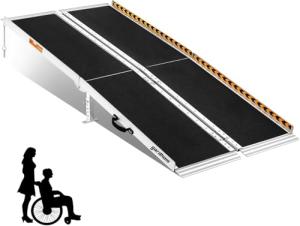
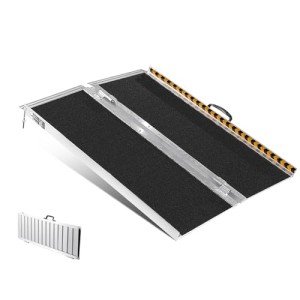
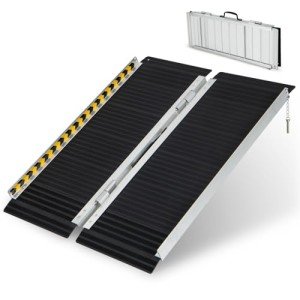
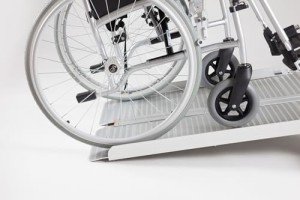
A 3FT foldable wheelchair ramp is a portable incline designed to help wheelchairs, power chairs, and mobility scooters navigate obstacles such as single steps, curbs, and raised door thresholds. Constructed primarily from high-grade aluminum, these ramps are engineered to be lightweight enough for transport while remaining sturdy enough to support significant weight.
The "foldable" aspect typically refers to a suitcase-style design. The ramp is hinged down the center, allowing it to fold in half lengthwise. Most models feature a built-in handle, making it easy to carry like a piece of luggage when not in use.
Technical Specifications and Features
When selecting a ramp, understanding the technical build is crucial. Most high-quality 3FT ramps adhere to a specific set of standards to ensure user safety and product longevity.
Table 1: Standard Specifications for a 3FT Foldable Ramp
| Feature | Standard Dimension/Detail |
|---|---|
| Total Length | 36 Inches (3 Feet) |
| Width (Unfolded) | 28 to 31 Inches |
| Width (Folded) | 14 to 15.5 Inches |
| Weight Capacity | 600 lbs to 800 lbs (Combined weight of user and chair) |
| Material | Heavy-duty, Rust-resistant Aluminum |
| Product Weight | 15 lbs to 20 lbs |
| Surface Texture | High-traction grit or serrated tracks |
Key Benefits of the 3FT Length
While ramps come in various sizes—ranging from 2 feet to 10 feet or more—the 3FT model is often considered the "sweet spot" for many common mobility challenges.
1. Superior Portability
Unlike longer ramps that may require two people to move or a large vehicle for transport, the 3FT ramp is easily managed by one person. Its compact folded size allows it to fit into the trunk of a small sedan, behind a front seat, or in a closet for storage.
2. Versatile Application
The 3FT length is ideal for low-to-medium rises. It is specifically designed to tackle:
- Standard curbs.
- Single porch steps.
- Doorway thresholds with significant height differences.
- The transition between a garage floor and an interior kitchen entry.
3. High Durability
Because the span is relatively short (36 inches), these ramps tend to have very little "flex" or bounce when being traversed. This provides the user with a more stable and confident feeling compared to longer, more flexible ramps.
Safety First: Understanding the Slope and Rise
A common mistake in choosing a ramp is failing to calculate the proper slope. The "rise" is the vertical height of the obstacle. The longer the ramp, the gentler the slope.
For portable home use, many manufacturers recommend a 1:6 ratio (for every 1 inch of rise, there should be 6 inches of ramp). However, for independent manual wheelchair users, a 1:12 ratio is often the gold standard for safety.
Table 2: Recommended Maximum Rise for a 3FT Ramp
| Usage Type | Maximum Recommended Rise (Inches) | Slope Degree |
|---|---|---|
| Occasional Home Use (Occupied) | 6 Inches | 9.5° |
| Manual Wheelchair (Unassisted) | 3 Inches | 4.8° |
| Power Chairs / Scooters | 5 Inches | 8.0° |
| Unoccupied (Loading Empty Chair) | 9 Inches | 14.5° |
Note: Exceeding these rises can create a slope that is dangerously steep, risking a backward tip for manual users or motor strain for power chairs.
Essential Features for Safe Operation
To ensure the safety of the user and the caregiver, certain features are non-negotiable when selecting a foldable ramp:
- Anti-Slip Surface: Look for ramps with a high-traction surface. This is usually achieved through an applied grit coating (similar to heavy-duty sandpaper) or a serrated aluminum pattern that allows water and debris to fall through.
- Safety Curbs: These are the raised edges on the sides of the ramp (usually 1.5 to 2 inches high) that prevent the wheelchair wheels from slipping off the edge.
- Transition Plates: At both the top and the bottom of the ramp, there should be smooth transition plates. These ensure a seamless move from the ground to the ramp and from the ramp to the landing.
- Locking Pins: Many models include steel pins that can be inserted through the top transition plate into the porch or step to prevent the ramp from sliding backward during use.
Comparisons: 3FT vs. Other Common Sizes
Choosing the right length is a balance between the height of the step and the space available.
Table 3: Comparison of Portable Ramp Sizes
| Feature | 2FT Ramp | 3FT Ramp | 5FT Ramp |
|---|---|---|---|
| Primary Use | Door thresholds | Single steps/Curbs | 2-3 steps/Vehicle entry |
| Storage | Extremely compact | Very compact | Requires significant space |
| Ease of Carrying | Excellent | Very Good | Moderate |
| Max Safe Rise | 4 inches | 6 inches | 10 inches |
Installation and Maintenance
One of the primary selling points of the 3FT foldable ramp is that it requires no permanent installation. However, proper setup and maintenance are vital for longevity.
Proper Setup Procedures:
- Check the Landing: Ensure the surface at the bottom and top of the ramp is flat and free of loose debris.
- Unfold Carefully: Lay the ramp flat on the ground before unfolding to prevent pinching fingers in the hinges.
- Positioning: Place the top transition plate (the flat "lip") fully onto the upper surface. It should overlap by at least 2.5 to 3 inches.
- Security: Always use the provided safety pins if the ramp will be used in the same location frequently.
Maintenance Checklist:
- Keep it Clean: Sweep off dirt, mud, and ice regularly. Debris can degrade the anti-slip surface.
- Inspect Hinges: Every few months, check the center hinges for any signs of wear or loosening bolts.
- Check the Surface: If the grit tape begins to peel, replace it immediately to maintain traction.
- Aluminum Care: While aluminum is rust-resistant, it can still oxidize in coastal environments. A simple rinse with fresh water and mild soap is sufficient.
FAQ: Frequently Asked Questions
Q: Can a 3FT ramp be used for a minivan?
A: Generally, no. Most minivan side or rear entries require a minimum of a 5FT to 6FT ramp to achieve a safe slope. A 3FT ramp would be too steep for most vehicles unless the vehicle is significantly lowered.
Q: What is the weight limit for these ramps?
A: Most high-quality 3FT ramps are rated for 600 lbs to 800 lbs. This is designed to accommodate the combined weight of a heavy power wheelchair and the person sitting in it.
Q: Is it safe to use a 3FT ramp in the rain?
A: Yes, provided the ramp has a high-traction or serrated surface. However, users should always proceed with extra caution in wet conditions, as even anti-slip surfaces have reduced friction when wet.
Q: Does the ramp come assembled?
A: Most foldable ramps are shipped fully assembled. The user simply needs to remove it from the box, unfold it, and place it in the desired location.
Q: Can I use this for a walker or a person with a cane?
A: Yes. These ramps provide a stable surface for walkers and canes, reducing the "trip hazard" of a traditional step.
The 3FT foldable wheelchair ramp is a fundamental tool for creating a more accessible world. By providing a sturdy, portable, and easy-to-use solution for small elevation changes, it empowers individuals with limited mobility to navigate their homes and communities with greater independence. When selected with attention to weight capacity, safety features, and the proper rise-to-length ratio, a 3FT ramp proves to be an invaluable investment in both safety and freedom.