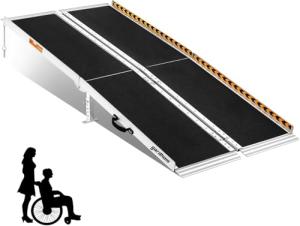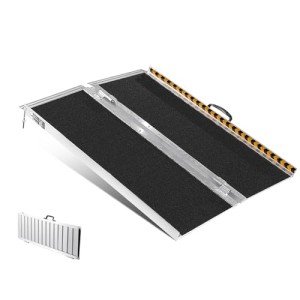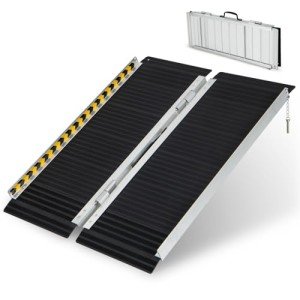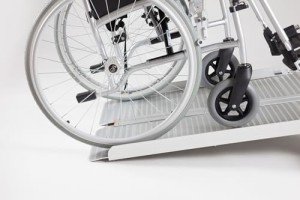





For individuals with limited mobility, the home should be a sanctuary of independence and comfort. However, architectural barriers such as porch steps, high thresholds, and uneven entryways often present significant challenges. While permanent concrete or wooden ramps are an option, they are often expensive, require building permits, and lack flexibility. This is where the 7ft portable aluminum wheelchair ramp emerges as a premier solution for modern homeowners.
This guide explores the technical specifications, practical benefits, and essential safety considerations of 7ft portable aluminum ramps, providing a comprehensive resource for those looking to improve residential accessibility.
Why Choose a 7FT Portable Aluminum Ramp?
The 7ft length is often considered the "sweet spot" for residential accessibility. It is long enough to provide a gradual, safe incline for two to three standard steps, yet compact enough to be folded and stored when not in use. Unlike shorter ramps, a 7ft model adheres more closely to safety recommendations for slope, reducing the physical strain on manual wheelchair users and preventing the tipping of power chairs.
The Superiority of Aluminum Construction
Aluminum is the industry standard for portable mobility aids for several reasons:
- Strength-to-Weight Ratio: Aluminum is incredibly strong, capable of supporting up to 800 lbs, yet it remains light enough for one or two people to move.
- Corrosion Resistance: Unlike steel, aluminum does not rust. This makes it ideal for outdoor use in rain or snow.
- Low Maintenance: These ramps do not require painting or sealing, unlike wooden structures that can rot or warp over time.
Technical Specifications at a Glance
When selecting a ramp, understanding the technical data is crucial for ensuring it fits the intended environment and user needs. Below are the typical specifications for a high-quality 7ft portable aluminum ramp.
Table 1: Technical Specifications
| Feature | Specification |
|---|---|
| Material | Aircraft-grade Aluminum (6061 or 6063) |
| Full Length | 7 Feet (approx. 84 inches) |
| Width | 28 to 31 inches (standard) |
| Weight Capacity | 600 lbs – 800 lbs |
| Folded Configuration | Bi-fold or Tri-fold with carrying handle |
| Product Weight | 45 lbs – 55 lbs |
| Surface | High-traction grit or perforated non-slip |
| Safety Features | Side curbs, security pins, transition plates |
Key Features That Enhance Safety and Mobility
A portable ramp is more than just a flat surface. It is a piece of safety equipment designed to prevent accidents. High-quality 7ft aluminum ramps typically include the following features:
1. High-Traction Surface
Falling or sliding is a primary concern for wheelchair users. Most 7ft aluminum ramps feature a coarse, sand-paper-like grit surface or a "ribbed" aluminum texture. This ensures that even in wet weather, tires maintain a firm grip on the incline.
2. Folding Design and Portability
Portability is the hallmark of this product. Most models feature a central hinge that allows the ramp to fold in half lengthwise. This reduces the width for easy storage in a garage or the trunk of a large vehicle. Many also include built-in handles for ergonomic carrying.
3. Transition Plates
The "toes" and "heels" of the ramp—the parts that touch the ground and the top step—are designed with smooth transition plates. These allow for a seamless roll-on and roll-off experience, preventing the small front wheels (casters) of a wheelchair from getting caught.
4. Safety Curbs
Raised edges (usually 2 inches high) run along both sides of the ramp. These act as bumpers to prevent the wheelchair or walker from accidentally veering off the side of the ramp.
Determining the Correct Slope
The safety of a ramp is determined by its incline. Using a ramp that is too steep can lead to tipping or exhaustion. In the United States, the Americans with Disabilities Act (ADA) suggests a 1:12 ratio for commercial spaces (1 inch of rise for every 12 inches of ramp). For residential use, a 2:12 ratio is often acceptable for occupied power chairs or manual chairs with an assistant.
Table 2: Slope and Rise Compatibility for a 7FT Ramp
| Usage Type | Maximum Recommended Step Height (Rise) | Resulting Slope Ratio |
|---|---|---|
| Conservative (ADA Standard) | Up to 7 Inches | 1:12 (Ideal safety) |
| Residential (Occupied) | 8 to 14 Inches | 2:12 (Acceptable) |
| Unoccupied (Loading) | 15 to 21 Inches | 3:12 (Steep - Loading only) |
Note: Always measure the vertical "rise" from the ground to the top landing to determine the required ramp length.
Practical Applications for the Home
While primarily designed for wheelchairs, 7ft portable aluminum ramps are versatile tools that assist in various household scenarios:
- Wheelchairs and Power Scooters: Ensuring easy entry and exit through front doors or garages.
- Walkers and Rollators: Providing a smooth transition for those who struggle with lifting their feet over high thresholds.
- Moving Heavy Loads: Ideal for furniture dollies or heavy grocery deliveries when moving items into the home.
- Temporary Recovery: Perfect for individuals recovering from surgery (e.g., hip or knee replacement) who only need accessibility for several weeks.
Installation and Setup Guide
Setting up a 7ft portable aluminum ramp is a straightforward process that does not require specialized tools.
- Clear the Area: Ensure the ground at the bottom and the landing at the top are free of debris.
- Unfold: Lay the folded ramp on the ground and unfold it. If it is a suitcase-style ramp, unlock the safety latches.
- Positioning: Place the top transition plate firmly on the top step or landing. Ensure at least 3 inches of the plate are resting on the solid surface.
- Secure: Use the provided safety pins or bolts to secure the ramp to the landing if the ramp has pre-drilled holes. This prevents the ramp from sliding backward.
- Test: Before a person uses the ramp, apply weight to ensure it is stable and does not wobble.
Maintenance for Longevity
To ensure the 7ft aluminum ramp remains safe for years, a simple maintenance routine should be followed:
- Cleaning: Use a mild detergent and water to wash away dirt. If the grit surface becomes clogged with mud, it loses its non-slip properties.
- Inspection: Periodically check the hinges and rivets. Ensure there are no loose bolts or cracks in the metal.
- Winter Care: While aluminum is rust-proof, ice can still form on it. Use pet-safe ice melt if necessary, but avoid heavy metal shovels that might scratch the traction surface.
Frequently Asked Questions (FAQ)
Q1: Can one person carry a 7ft aluminum ramp?
Most 7ft ramps weigh between 45 and 55 pounds. While many people can carry them using the central handle, it may be a two-person job for seniors or those with back issues due to the length and weight.
Q2: Does this ramp work for vans or SUVs?
Yes, a 7ft ramp is often an excellent length for loading wheelchairs into a side-entry van, as it provides a gentler incline than shorter 3ft or 5ft models.
Q3: Is the ramp weather-proof?
Yes, high-quality aluminum is resistant to rust and corrosion. However, it is always recommended to store the ramp indoors when not in use for extended periods to preserve the non-slip coating.
Q4: What is the benefit of a 7ft ramp over a 10ft ramp?
A 10ft ramp provides a shallower incline but is significantly heavier and harder to store. The 7ft model offers a balance between ease of handling and a safe slope for most standard home porches.
The 7ft portable aluminum wheelchair ramp is an essential investment for anyone seeking to improve home accessibility without the permanence of construction. Its lightweight yet durable design, coupled with critical safety features like traction surfaces and side curbs, provides peace of mind for both users and caregivers. By choosing a 7ft model, homeowners optimize the balance between portability and safety, ensuring that the home remains an open and inclusive space for everyone.