
For individuals relying on mobility scooters to maintain their independence, the challenge of transportation is often a significant hurdle. While these scooters provide essential freedom of movement in malls, parks, and around the home, getting them from point A to point B usually requires a specialized vehicle or a dedicated transport solution.
The foldable hitch cargo carrier has emerged as one of the most efficient, cost-effective, and user-friendly tools for this purpose. Usually mounted to the rear of a vehicle, these carriers allow for the seamless transport of heavy mobility equipment without occupying interior cabin space. This guide explores the features, benefits, and technical considerations of choosing a foldable hitch cargo carrier for mobility scooters.
Understanding the Foldable Hitch Cargo Carrier
A foldable hitch cargo carrier is a metal platform that attaches to a vehicle’s receiver hitch. Unlike standard fixed carriers, the foldable variety features a hinge mechanism that allows the platform to tilt upward against the back of the vehicle when it is not in use. This design is particularly advantageous for navigating tight parking spaces or fitting the vehicle into a standard garage without removing the carrier entirely.
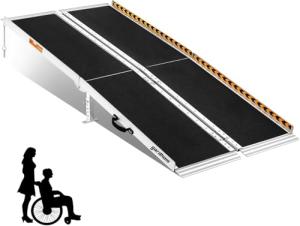
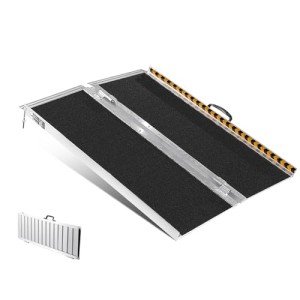
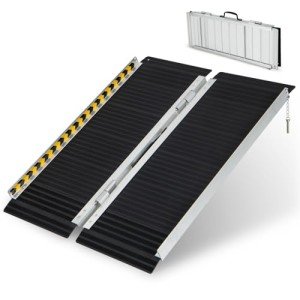
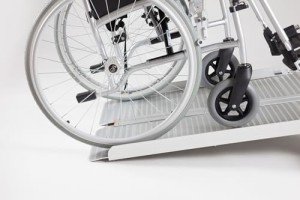
Most carriers designed for mobility scooters include an integrated ramp. This eliminates the need for heavy lifting, as the scooter can be driven or pushed up the incline directly onto the platform.
Benefits of Using a Hitch-Mounted Carrier
The adoption of hitch-mounted carriers over trailers or interior lifts offers several distinct advantages:
- Cost-Efficiency: Compared to purchasing a converted accessible van or an expensive internal crane lift, a hitch carrier is a fraction of the price.
- Space Preservation: By keeping the scooter on the exterior, the interior of the vehicle remains available for passengers, groceries, or luggage.
- Ease of Access: Ground-level loading via a ramp is significantly safer and faster than dismantling a scooter to fit it into a trunk.
- Versatility: These carriers can often be moved from one vehicle to another, provided both vehicles have the appropriate hitch receiver.
Key Features and Technical Specifications
When selecting a carrier, the technical specifications must align with both the vehicle's towing capacity and the weight of the mobility scooter. Most mobility scooter carriers are designed for Class III or Class IV hitches (2-inch receivers).
Weight Capacity and Dimensions
The weight capacity is the most critical safety factor. Most heavy-duty steel carriers can support between 400 and 500 pounds, which is sufficient for most mid-sized and large mobility scooters.
| Feature | Standard Specifications | Heavy-Duty Specifications |
|---|---|---|
| Weight Capacity | 300 - 350 lbs | 400 - 500 lbs |
| Platform Width | 27 - 28 inches | 30+ inches |
| Platform Length | 48 inches | 50 - 60 inches |
| Ramp Length | 40 - 50 inches | 60 inches (for lower incline) |
| Hitch Class | Class II or III | Class III or IV |
Folding Mechanisms
The "foldable" aspect of these carriers generally refers to two distinct movements:
- The Platform Fold: The entire unit folds up 90 degrees toward the tailgate when empty.
- The Ramp Fold: The loading ramp folds flat against the platform or stands vertically during transit to secure the load.
Material Comparison: Steel vs. Aluminum
Choosing the right material impacts the carrier's durability, weight, and resistance to the elements.
| Criteria | Steel Carriers | Aluminum Carriers |
|---|---|---|
| Strength | Exceptionally high; ideal for heavy scooters. | Moderate; best for lightweight/travel scooters. |
| Weight | Heavy (70–100 lbs); harder to install solo. | Lightweight (40–60 lbs); easy to manage. |
| Corrosion | Prone to rust if the powder coating chips. | Naturally resistant to rust and corrosion. |
| Cost | Generally more affordable. | Typically carries a premium price. |
| Durability | High impact resistance. | Can dent or bend under extreme stress. |
Safety Considerations and Installation
Safety is paramount when transporting a heavy mobility device on the exterior of a vehicle. There are several components that users must monitor:
1. Tongue Weight Capacity
Owners must ensure that the vehicle’s "tongue weight" rating (the vertical weight a hitch can support) exceeds the combined weight of the carrier and the scooter. For example, if a carrier weighs 80 lbs and the scooter weighs 300 lbs, the vehicle must have a tongue weight rating of at least 380 lbs.
2. Tie-Down Straps
The scooter must be secured to the carrier using high-quality ratchet straps. Most carriers include pre-drilled holes or loops specifically for this purpose. It is recommended to use at least four points of contact to prevent shifting during turns or sudden stops.
3. Anti-Wobble Devices
Because hitch receivers have a small amount of "play," carriers can sometimes wobble or tilt during transit. An anti-wobble collar or hitch tightener is an inexpensive add-on that clamps the carrier shank to the receiver, ensuring a silent and stable ride.
4. Visibility and Lighting
A loaded carrier may obstruct the vehicle's license plate or tail lights. Many jurisdictions require the use of auxiliary lights or a relocated license plate bracket to remain street-legal. Reflectors are standard on most high-quality models.
Maintenance for Longevity
To ensure the foldable hitch cargo carrier remains safe and functional for years, a routine maintenance schedule should be followed:
- Lubrication: Apply grease or WD-40 to the folding hinges and pivot points every few months to prevent seizing.
- Rust Prevention: Periodically inspect steel carriers for scratches in the powder coating. Touch up these areas with outdoor-grade spray paint to prevent oxidation.
- Bolt Inspection: The vibrations from road travel can loosen nuts and bolts. Check all hardware tightness before every long trip.
- Cleaning: Rinse the carrier after driving on salted winter roads or near coastal areas to prevent salt-induced corrosion.
Frequently Asked Questions (FAQ)
Can a foldable carrier be installed on a car?
Most small sedans do not have the chassis strength or ground clearance for a mobility scooter carrier. These units are primarily designed for SUVs, trucks, and minivans with a Class III (2-inch) hitch receiver.
Is it difficult to fold the carrier up?
Most modern designs use a spring-loaded pin. Once the scooter is removed, the user pulls the pin, lifts the platform, and the pin snaps back into place to hold it vertically. While the platform has some weight, it is generally manageable for most adults.
Will the carrier interfere with rear-view cameras?
In most cases, yes. When the carrier is folded up or loaded with a scooter, it will likely obstruct the view of a rear-mounted backup camera and may trigger rear parking sensors.
Does the ramp work for power wheelchairs too?
Yes, as long as the weight of the power wheelchair does not exceed the carrier’s rated capacity. Power wheelchairs are often heavier than scooters, so a heavy-duty steel carrier is usually required.
Do I need a special license or permit?
No special license is required, but the user is responsible for ensuring the license plate and tail lights are visible. If they are blocked, a light kit and plate relocator should be installed.
A foldable hitch cargo carrier is a transformative accessory for mobility scooter owners. By providing a bridge between the home and the world, it restores the ability to visit parks, travel to see family, and run errands with ease. By carefully considering weight capacities, material choices, and safety requirements, vehicle owners can select a carrier that provides years of reliable service and unparalleled freedom.