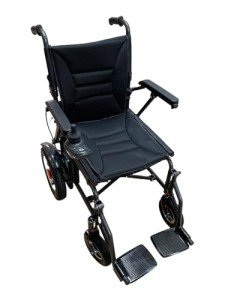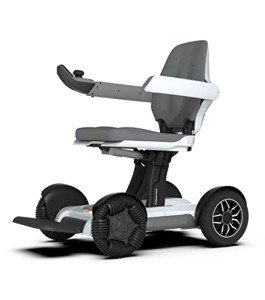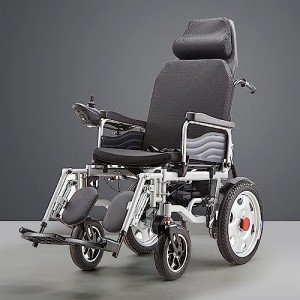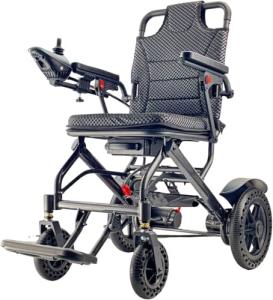


The landscape of personal mobility has undergone a radical transformation over the last decade. Gone are the days when power wheelchairs were synonymous with bulky, heavy machinery that required specialized vans and hydraulic lifts for transport. Today, the pinnacle of mobility innovation is the lightweight folding electric wheelchair with two batteries. This specific configuration has become a gold standard for travelers, active seniors, and individuals seeking maximum independence without sacrificing portability.
This guide explores the engineering, benefits, and practical considerations of these modern mobility aids, detailing why a dual-battery system is a game-changer for the modern user.
The Evolution of Portability: Aluminum Alloy and Smart Folding
Traditional electric wheelchairs can weigh anywhere from 200 to 400 pounds. In contrast, lightweight folding models typically utilize aviation-grade aluminum alloys or carbon fiber frames. These materials provide a high strength-to-weight ratio, allowing the chair to support user weights of up to 300 pounds while weighing as little as 50 to 60 pounds itself.
The "folding" aspect is the secondary pillar of this technology. Most modern designs feature a "one-touch" or "quick-fold" mechanism that collapses the chair into the size of a large suitcase in under five seconds. This allows the unit to fit comfortably into the trunk of a standard sedan or even the backseat of a compact car.
Comparison: Traditional vs. Lightweight Folding Electric Wheelchairs
| Feature | Traditional Power Wheelchair | Lightweight Folding Wheelchair |
|---|---|---|
| Weight | 150 - 450 lbs | 45 - 65 lbs |
| Portability | Requires ramp/van lift | Fits in car trunks |
| Frame Material | Heavy Steel | Aircraft-grade Aluminum/Carbon Fiber |
| Battery Type | Lead Acid (Heavy) | Lithium-Ion (Lightweight) |
| Turning Radius | Often larger | Very tight (ideal for indoors) |
| Transport | Difficult/Commercial transport | Airplane/Cruise ship friendly |
The Dual Battery Advantage: Why Two is Better Than One
The most significant upgrade in recent mobility designs is the inclusion of two batteries. While many entry-level models use a single battery, the dual-battery configuration offers several technical and practical advantages.
1. Extended Range and "Range Anxiety" Relief
Range anxiety—the fear that a battery will die before reaching a destination—is a common concern for electric wheelchair users. A dual-battery system effectively doubles the driving distance. While a single battery might offer 7–10 miles, a dual system can provide up to 18–20 miles on a single charge.
2. Redundancy and Reliability
With two batteries, the wheelchair possesses a built-in backup system. If one battery malfunctions or loses efficiency, the second battery ensures the user is not left stranded. Most systems allow for "parallel" use, where the controller draws power from both simultaneously, or a "switch" system where the user can cycle between them.
3. Airline Compliance
International aviation regulations (IATA) have strict rules regarding lithium-ion batteries. Generally, a single battery cannot exceed 300Wh (Watt-hours) for air travel. By split-feeding the power into two smaller batteries (e.g., two 144Wh batteries), manufacturers ensure the wheelchair provides high capacity while remaining fully legal for carry-on or gate-checking on major airlines.
Technical Specifications and Performance
When evaluating a lightweight folding electric wheelchair with two batteries, the technical specifications dictate how the chair will perform in real-world environments like gravel paths, inclines, or narrow hallways.
Typical Specification Table
| Specification | Standard Configuration |
|---|---|
| Motor Type | Dual Brushless Motors (200W - 250W each) |
| Battery Power | 24V 6Ah or 12Ah Lithium-ion (x2) |
| Top Speed | 4 mph (6 km/h) |
| Weight Capacity | 265 - 330 lbs |
| Climbing Angle | 8 - 12 Degrees |
| Charging Time | 6 - 8 Hours |
| Seat Width | 17" - 19" |
Key Features for the Modern User
Beyond the frame and the power source, several features characterize high-quality electric wheelchairs:
- 360-Degree Joystick Controller: A responsive, sensitive joystick allows for precise navigation through tight doorways and crowded spaces. Most models allow the joystick to be mounted on either the left or right armrest.
- Electromagnetic Braking System: Safety is paramount. These chairs use disc brakes that engage automatically the moment the user releases the joystick—even on an incline—preventing the chair from rolling.
- Brushless Motors: Unlike older brushed motors, brushless versions are quieter, more efficient, and require virtually zero maintenance.
- Breathable Seating: Since users may spend several hours in the chair, high-end models utilize perforated, anti-microbial fabrics to ensure airflow and comfort.
Benefits of Lightweight Dual-Battery Models
- Travel Freedom: These chairs are designed for the "on-the-go" lifestyle. They are frequently used on cruise ships, in airports, and at tourist attractions where heavy chairs cannot go.
- Ease for Caregivers: Because the chairs are lightweight, caregivers can lift them into vehicles without straining their backs, eliminating the need for expensive vehicle modifications.
- Indoor/Outdoor Versatility: The compact footprint makes them excellent for indoor use (vignette turns in kitchens or bathrooms), while the dual-motor setup provides enough torque to handle grass and uneven pavement.
- Off-Board Charging: Many dual-battery models allow the batteries to be charged either while they are in the chair or separately. This means a user can leave the chair in the car and only bring the batteries inside to charge overnight.
Maintenance and Best Practices
To ensure the longevity of a folding electric wheelchair and its dual batteries, owners should follow a standard maintenance routine:
- Battery Calibration: Always charge new batteries for a full 8–12 hours before the first use.
- Avoid Total Depletion: Lithium-ion batteries last longer if they are not frequently drained to 0%. It is recommended to charge them when they hit the 20% mark.
- Tire Inspections: Most lightweight chairs use solid, puncture-proof tires. Nevertheless, checking for debris or wear every few months is essential for traction.
- Cleaning: Use a damp cloth to wipe down the frame. Avoid using high-pressure water hoses, as electronics and joystick controllers are sensitive to moisture.
Frequently Asked Questions (FAQ)
Can I take this wheelchair on an airplane?
Yes, most lightweight folding wheelchairs are designed specifically for air travel. However, it is vital to ensure the lithium-ion batteries are within the Wh (Watt-hour) limits set by the airline. Always notify the airline at least 48 hours in advance.
How long do the batteries last before needing replacement?
Under normal usage and proper charging habits, high-quality lithium-ion batteries typically last between 2 to 4 years (or roughly 800 to 1,000 charge cycles).
Is it difficult to switch between the two batteries?
In most modern designs, the batteries are connected in parallel, meaning the system draws from both automatically. Some models use a manual switch or require the user to move the power cable from one battery to the other, which takes only a few seconds.
Can the wheelchair be pushed manually?
Yes. These chairs feature a "freewheel" or "neutral" mode. By flipping a lever on the motors, the electronic transmission is disengaged, allowing a caregiver to push the chair like a manual wheelchair.
What is the maximum weight these chairs can carry?
While it varies by brand, most standard lightweight aluminum models support up to 265 lbs. Heavy-duty "XL" folding models are available that can support up to 350 lbs while still maintaining a relatively low frame weight.
The lightweight folding electric wheelchair with two batteries represents the perfect intersection of convenience, technology, and mobility. By solving the dual problems of heavy weight and limited range, these devices have opened the world to individuals who previously felt confined by the logistics of their equipment. Whether it is a trip to the local grocery store or a flight across the globe, the reliability of a dual-battery system ensures that the journey is never cut short.