
Mobility is a fundamental aspect of maintaining independence, particularly for individuals navigating the challenges of aging, recovering from surgery, or managing chronic conditions that cause fatigue. Among the various mobility aids available today, the lightweight tri walker rollator with a seat and bag has emerged as a versatile and popular choice. Combining the agility of a three-wheeled design with the essential rest-stop convenience of a four-wheeled rollator, this hybrid device offers a unique solution for those who require support without sacrificing maneuverability.
This guide explores the features, benefits, and practical considerations of the lightweight tri walker rollator, providing a detailed look at why this specific configuration is becoming a staple for active individuals seeking mobility assistance.
Understanding the Tri Walker Rollator
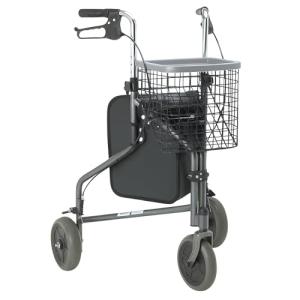
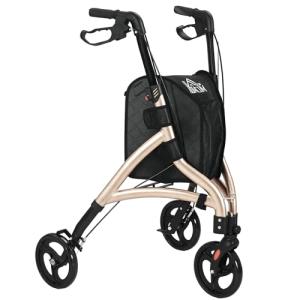
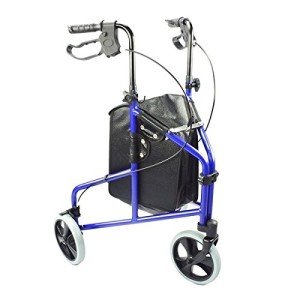
A tri walker, also known as a three-wheel rollator, is characterized by its triangular frame. Featuring a single pivoting front wheel and two fixed rear wheels, its primary advantage is a significantly tighter turning radius compared to traditional four-wheeled models. Historically, tri walkers were designed solely for walking support and lacked a place to rest. However, engineering advancements have led to the inclusion of integrated seats and storage bags, creating a more holistic mobility solution.
The Significance of Lightweight Construction
Modern tri walkers are typically constructed from high-grade aluminum or reinforced alloys. This choice of material is critical for several reasons:
- Ease of Transportation: Users or caregivers can easily lift the device into the trunk of a car or onto public transport.
- Maneuverability: A lighter frame requires less physical exertion to steer and push, which is vital for users with limited upper body strength.
- Storage: Most lightweight models feature a simple folding mechanism, allowing the walker to occupy minimal space in a hallway or closet when not in use.
Essential Features of the Hybrid Tri Walker
When evaluating a tri walker with a seat and bag, several key components contribute to its overall functionality and safety.
1. The Integrated Seat
Unlike standard three-wheelers, this version includes a built-in seat. This is usually located between the back wheels and may be a flip-down or a fixed-tension fabric design. It allows the user to take regular breaks, which is essential for managing conditions such as COPD, heart disease, or general frailty.
2. Ergonomic Handlebars and Brakes
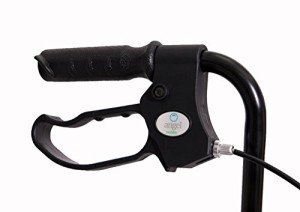
The handles are often height-adjustable to ensure the user maintains a healthy posture. Attached to these handles are loop-lock brakes. These allow the user to control their speed while walking and, more importantly, lock the wheels securely in place before sitting down.
3. Practical Storage Solutions
The "bag" component is typically a removable caddy or an under-seat pouch. It provides a secure place for personal items, groceries, or medical supplies, keeping the user’s hands free to operate the walker safely.
4. Wheel Performance
Large, puncture-proof wheels are standard on these models. They are designed to handle various terrains—from smooth indoor tiles to uneven outdoor pavements—ensuring a smooth glide without the risk of a flat tire.
Comparative Analysis: Choosing the Right Aid
Selecting a mobility aid requires understanding how different designs compare. The table below highlights the differences between a tri walker with a seat and other common devices.
Table 1: Comparison of Mobility Aids
| Feature | Tri Walker (with Seat) | 4-Wheel Rollator | Standard Walker (No Wheels) |
|---|---|---|---|
| Turning Radius | Excellent (Very Tight) | Moderate | Poor (Requires Lifting) |
| Stability | Good | Excellent | Highest |
| Weight | Lightweight (5–7kg) | Medium to Heavy (7–11kg) | Very Light (2–4kg) |
| Primary Use | Indoor/Outdoor Agility | Long Distance/Max Stability | Indoor/High Support |
| Rest Feature | Small/Adjustable Seat | Large Padded Seat | None |
| Storage | Integrated Bag | Under-seat basket | Optional Attachments |
The Benefits of Using a Tri Walker with a Seat
The integration of a seat into a three-wheeled frame addresses a significant gap in the market. Users no longer have to choose between the nimbleness of a tri walker and the comfort of a rollator.
Enhanced Maneuverability in Tight Spaces
One of the most frustrating aspects of using a large mobility aid is navigating narrow doorways, crowded cafes, or small grocery aisles. The triangular shape allows the user to pivot on the spot. This makes it an ideal choice for urban dwellers or those living in smaller apartments where space is at a premium.
Promoting Physical Activity
Knowing that a seat is available if fatigue sets in provides a psychological "safety net." This encourages users to walk further and stay active, which is vital for cardiovascular health and muscle tone. The presence of a bag means users can complete errands independently, further boosting their quality of life.
Postural Support and Safety
Height-adjustable handles ensure that the user does not stoop while walking. A stooped posture can lead to back pain and a forward-leaning center of gravity, which increases the risk of falls. By adjusting the tri walker to the correct wrist height, the user maintains an upright, stable gait.
Technical Specifications to Look For
While models vary by manufacturer, certain specifications are standard for high-quality lightweight tri walkers.
Table 2: Typical Specifications
| Specification | Typical Range |
|---|---|
| Frame Material | Aluminum or Lightweight Steel |
| Total Weight | 5.5 kg to 7.8 kg |
| Weight Capacity | 115 kg to 135 kg (approx. 18–21 stone) |
| Seat Height | 50 cm to 60 cm |
| Handle Height Adjustment | 80 cm to 95 cm |
| Wheel Diameter | 7 inches to 8 inches |
Safety and Maintenance Guidelines
To ensure the longevity of the device and the safety of the user, regular maintenance and proper usage are required.
Proper Usage
- Brake Operation: Users must always engage the parking locks before attempting to sit on the seat. Sitting on a walker that is not locked can lead to serious injury.
- Weight Distribution: The bag should not be overloaded, as excessive weight can affect the balance and center of gravity of the tri walker.
- Surface Awareness: While designed for outdoor use, users should exercise caution on steep inclines or very soft ground (like thick mud or sand) where the single front wheel may struggle.
Maintenance Tips
- Check the Brakes: Over time, brake cables may stretch. It is important to test them weekly to ensure they grip the wheels firmly.
- Clean the Wheels: Debris, hair, or dirt can get caught in the axles. Wiping the wheels down helps maintain a smooth roll.
- Frame Inspection: Periodically check for any loose bolts or signs of wear on the folding mechanism.
Frequently Asked Questions (FAQ)
1. Is a tri walker less stable than a four-wheel rollator?
Because a tri walker has three points of contact rather than four, it can feel slightly less stable if a user leans heavily to one side. However, for users with reasonable balance who primarily need a "walking aid" rather than a "weight-bearing support," it is perfectly safe and highly effective.
2. Can the seat be adjusted for height?
In most models, the seat remains at a fixed height, while the handlebars are adjustable. It is important for a user to check the seat height specification before purchasing to ensure it is comfortable for their leg length.
3. Does the tri walker come fully assembled?
Most lightweight models are delivered partially assembled. Usually, the user only needs to insert the handlebars and attach the bag. Tool-free assembly is a common feature in modern designs.
4. Can it be used by people of all heights?
The adjustable handles cater to a wide range of heights. However, very tall individuals (over 6'2") or very petite individuals (under 5'0") should specifically look for "Tall" or "Petite" versions to ensure ergonomic comfort.
5. Is the storage bag waterproof?
Most bags are made from durable nylon or canvas which is water-resistant. This is sufficient for light rain, though items inside may get damp in heavy downpours if the bag is not fully sealed.
The lightweight tri walker rollator with a seat and bag represents a significant step forward in mobility design. It successfully bridges the gap between the ultra-portable but "seatless" three-wheelers and the stable but bulky four-wheelers. By offering a compact footprint, a place to rest, and a way to carry essentials, it empowers users to maintain an active, independent lifestyle.
When choosing a model, it is recommended to prioritize frame weight and the ease of the braking system. For many, this clever device is not just a tool for walking—it is a ticket to continued engagement with the world outside their front door.