




NRS Healthcare 3 Wheel Folding Rollator with Brakes: A Comprehensive Review
As the population ages and more individuals experience mobility challenges, the demand for practical mobility aids has surged. One such product that has garnered attention is the NRS Healthcare 3 Wheel Folding Rollator with Brakes. This mobility aid blends functionality, safety, and convenience, making it a valuable asset for those needing assistance in maintaining their independence. In this article, we'll delve into the features, benefits, and considerations surrounding the NRS Healthcare 3 Wheel Folding Rollator, as well as frequently asked questions about its use and maintenance.
What is a 3-Wheel Folding Rollator?
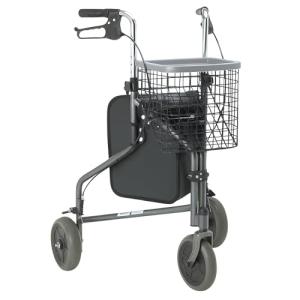
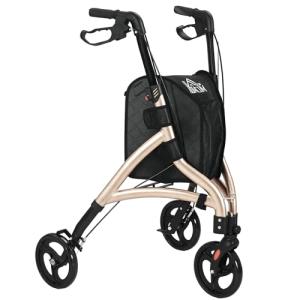
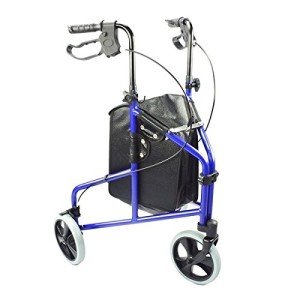
A 3-wheel folding rollator is a lightweight mobility aid designed to support individuals with mobility issues. Unlike traditional walkers with four wheels, the 3-wheel design allows for enhanced maneuverability in tight spaces, making it particularly suitable for indoor use or crowded environments. The NRS Healthcare model offers a practical solution for those who may need a little extra support while walking but still wish to maintain a level of independence.
Key Features of the NRS Healthcare 3 Wheel Folding Rollator
-
Compact and Lightweight Design: The rollator is crafted from robust materials yet remains light enough for easy handling. Its folding capability allows for straightforward storage and transport.
-
Three-Wheel Configuration: This unique design provides a tight turning radius, allowing users to navigate hallways, shops, and other confined areas with ease.
-
Adjustable Handle Height: Accommodating different users, the rollator features adjustable handles, ensuring optimum comfort and posture when walking.
-
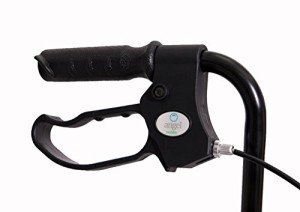
Brakes for Enhanced Safety: Equipped with reliable handbrakes, the rollator allows users to stop safely and securely, providing peace of mind during use.
-
Built-in Storage: The NRS rollator offers a small storage bag situated beneath the seat, providing a convenient place to store personal items such as keys, wallets, or water bottles.
-
Padded Seat: A comfortable padded seat allows users to take breaks when necessary, making it an ideal companion for longer outings.
Benefits of Using the NRS Healthcare 3 Wheel Folding Rollator
-
Increased Mobility: Individuals who may find traditional walking difficult can experience newfound independence and mobility when using this rollator.
-
Confidence in Movement: The added support of a rollator can help users feel more secure while walking, which can prevent falls and boost confidence.
-
Ease of Use: With its lightweight frame and simple folding mechanism, the NRS rollator is user-friendly and suitable for those with limited strength.
-
Versatile Applications: Whether for a walk in the park, shopping in a store, or navigating house interiors, this rollator can be used in various environments.
-
Promotes Active Lifestyle: By facilitating outdoor mobility, the rollator encourages users to engage in hobbies and social activities that contribute to a healthier, more active lifestyle.
Considerations When Using a 3-Wheel Rollator
Despite the many advantages of the NRS Healthcare 3 Wheel Folding Rollator, potential users should consider a few factors before making a purchase:
-
Stability: While three wheels offer greater maneuverability, they may not provide the same level of stability as a four-wheeled rollator. Users who require more support should assess their specific needs before choosing this model.
-
Surface Suitability: The rollator is best suited for smooth, flat surfaces. Users intending to navigate rugged terrain or uneven paths may require a more robust model.
-
Weight Capacity: The rollator has a specified weight limit, typically around 110kg (approximately 242 lbs). Prospective owners should ensure that the product meets their weight requirements.
FAQs About the NRS Healthcare 3 Wheel Folding Rollator
Q1: How do I adjust the handle height of the rollator?
A1: To adjust the handle height, locate the adjustment mechanism on the handle and lift or lower to the desired height. Ensure that both sides are even for correct posture during use.
Q2: Is the rollator suitable for outdoor use?
A2: Yes, while the rollator is designed for both indoor and outdoor use, it performs best on flat, paved surfaces. Exercise caution on uneven or loose terrain.
Q3: How do I maintain my rollator?
A3: Regularly check the brakes for functionality, inspect the wheels for wear and tear, and clean the frame with a damp cloth. Ensure that all moving parts are functioning smoothly. If any parts are damaged, replace them immediately.
Q4: Can I use the rollator while standing?
A4: Yes, the rollator is designed to support you while standing. Ensure the brakes are locked to prevent any movement.
Q5: How do I fold the rollator for transportation?
A5: To fold the rollator, gently pull up on the central handle or latch until it collapses. It should then be compact enough to fit into a car trunk or storage space.
The NRS Healthcare 3 Wheel Folding Rollator with Brakes represents a significant advancement in mobility aids, providing users with the necessary support to enhance their quality of life. With its thoughtful design, safety features, and convenience, it has become a popular choice among individuals seeking independence and mobility. By understanding its benefits and considerations, prospective users can determine if this rollator aligns with their lifestyle needs. Ultimately, the NRS rollator embodies a step towards independence for those who may need a little extra help on their journey.