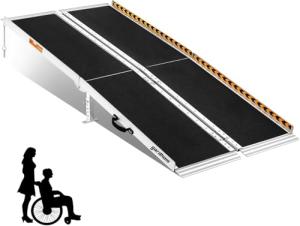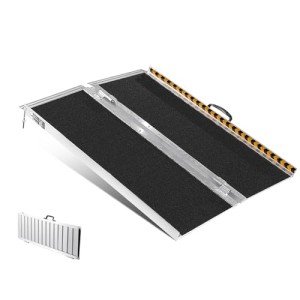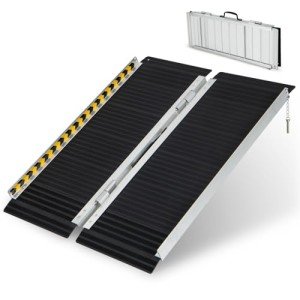





In the pursuit of creating an inclusive environment, whether at home or in a commercial setting, accessibility is a paramount consideration. For individuals using wheelchairs, power chairs, or mobility scooters, a few inches of elevation can represent a significant barrier. While permanent concrete ramps are effective, they are not always feasible due to space constraints, rental agreements, or budget limitations. This is where the 15ft RollAble Wheelchair and Scooter Ramp emerges as a premier solution. Combining heavy-duty durability with unprecedented portability, this specific ramp length and design offer a versatile answer to complex architectural challenges.
Understanding the RollAble Ramp Concept
Unlike traditional folding ramps that may only split in half or remain rigid, a RollAble ramp is engineered using a series of interlocking slats or links. This design allows the ramp to be rolled up like a carpet, making a 15-foot structure much easier to transport and store. Made predominantly from high-strength, aircraft-grade aluminum, these ramps are designed to support significant weight while remaining light enough for manual handling.
A 15-foot ramp is particularly significant because it addresses higher rises. According to the Americans with Disabilities Act (ADA) guidelines, the ideal slope for a ramp is a 1:12 ratio—meaning for every 1 inch of vertical rise, there should be 12 inches (1 foot) of ramp length. Therefore, a 15ft ramp is perfectly suited for a 15-f-inch rise in a commercial setting, or slightly steeper rises in private residential settings where space might be limited.
Key Features of the 15ft RollAble Ramp
The 15ft RollAble ramp is not merely a path from point A to point B; it is a piece of precision engineering designed for safety and longevity.
- Modular Design: The ramp can be shortened or lengthened by adding or removing links, providing a customized fit for different locations.
- High Load Capacity: Most models are built to support between 800 and 1,000 lbs, accommodating heavy power scooters and an occupant with ease.
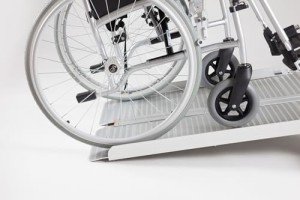
- Non-Slip Surface: The aluminum slats are typically extruded with a serrated or high-traction texture to ensure grip in rain, snow, or icy conditions.
- Built-in Side Rails: Safety curbs are integrated into the design to prevent wheels from slipping off the edge.
- Weather Resistance: Aluminum naturally resists corrosion, ensuring the ramp remains functional even after years of outdoor exposure.
Technical Specifications at a Glance
For those considering the purchase or installation of a 15ft RollAble ramp, the following table summarizes the typical specifications found in high-end models.
| Specification | Details |
|---|---|
| Total Length | 15 Feet (180 Inches) |
| Material | Aircraft-grade T6 Aluminum |
| Weight Capacity | 1,000 lbs (Distributed) |
| Standard Width Options | 26", 30", or 36" |
| Ramp Weight | Approx. 5-7 lbs per foot |
| Surface Texture | Serrated Non-Slip Extrusions |
| Warranty | Typically 1 to 10 years (Manufacturer dependent) |
The Importance of the 1:12 Slope Ratio
One of the most critical aspects of ramp safety is the gradient or slope. While a 15ft ramp is long, its usability depends entirely on the height of the step or porch it is bridging. Using a ramp that is too short for the rise creates a dangerously steep incline that can cause a wheelchair to tip backward or a scooter to lose traction.
| Rise (Height of Step) | Ramp Length (Residential 1:8) | Ramp Length (ADA Standards 1:12) |
|---|---|---|
| 10 Inches | 80 Inches (6.6 ft) | 120 Inches (10 ft) |
| 12 Inches | 96 Inches (8.0 ft) | 144 Inches (12 ft) |
| 15 Inches | 120 Inches (10 ft) | 180 Inches (15 ft) |
| 20 Inches | 160 Inches (13.3 ft) | 240 Inches (20 ft) |
As shown in the table above, the 15ft ramp is the gold standard for a 15-inch rise, ensuring a comfortable and safe 1:12 slope that allows manual wheelchair users to navigate the incline without excessive physical exertion.
Practical Applications for the 15ft Ramp
The length and portability of the RollAble ramp make it suitable for a wide variety of scenarios that fixed ramps cannot handle.
1. Residential Home Entry
Many homes have a set of three or four stairs leading to the front door. A 15ft ramp can span these steps comfortably. Because it is rollable, it can be set up when a guest arrives and stowed away afterward, preserving the home's curb appeal.
2. Commercial Events and Temporary Venues
Stage access for graduation ceremonies, outdoor festivals, or temporary polling stations often requires accessibility solutions that can be installed and removed quickly. The modular nature of the RollAble ramp allows event planners to bridge high stages or curbs in accordance with local accessibility laws.
3. Vehicle Loading
While shorter ramps are common for vans, the 15ft model is often used for loading equipment into high-clearance trucks or trailers where a gentle incline is necessary to prevent the undercarriage of a scooter from "bottoming out" at the top of the ramp.
Installation and Maintenance
One of the most attractive features of the RollAble system is the simplicity of its setup. It does not require a construction crew or a permit in most jurisdictions because it is classified as a portable device rather than a permanent modification.
Steps for Proper Installation
- Measurement: Accurate measurement of the total rise is essential to ensure the 15ft length provides an adequate slope.
- Unrolling: The ramp is placed at the top of the rise and unrolled toward the ground.
- Securing: Most 15ft ramps come with "top lip" transition plates that rest on the top landing. These can be secured with pins or screws for added stability.
- Support Stands: For ramps 10 feet and longer, it is often recommended to use adjustable support stands at the midpoint to prevent "flexing" or bouncing as the weight passes over.
Maintenance Checklist
To ensure the longevity of the aluminum and the safety of the users, regular maintenance is recommended:
- Debris Removal: Sweep the ramp regularly to remove rocks, leaves, or dirt that could compromise traction.
- Hardware Inspection: Periodically check the pins and bolts that hold the links together to ensure nothing has loosened over time.
- Cleaning: Use mild soap and water to clean the aluminum surface. Avoid harsh chemicals that could degrade the non-slip coating or metal.
- Storage: When not in use, roll the ramp and store it in a dry area to prevent the buildup of grime in the hinges.
Comparing Global Accessibility Options
When deciding on a mobility solution, it is helpful to compare the RollAble 15ft ramp against other common alternatives.
| Feature | RollAble 15ft Ramp | Modular Aluminum Ramp | Permanent Concrete Ramp |
|---|---|---|---|
| Portability | High (Rolls up) | Medium (Sections) | None |
| Installation Time | 5-10 Minutes | 1-2 Hours | Days/Weeks |
| Customizability | Excellent (Add/Remove links) | Good (Sectional) | Limited |
| Cost | Moderate | High | Very High |
| Permit Required? | Usually No | Sometimes | Yes |
Frequently Asked Questions (FAQ)
1. Is a 15-foot ramp too heavy for one person to move?
While a 15ft aluminum ramp can weigh between 75 and 100 pounds, its "RollAble" design allows it to be moved more easily than a solid piece. Many users find it easier to unroll the ramp directly from a vehicle or use a small dolly. For frequent transport, the ramp can also be split into two 7.5-foot sections.
2. Can the ramp be used in the rain?
Yes. The aluminum slats are designed with high-traction ridges specifically to provide grip in wet conditions. However, users should always exercise caution and ensure that wheels are clean of mud or grease.
3. Do I need tools to assemble the 15ft RollAble ramp?
Most of these ramps come pre-assembled. Tools are typically only needed if you wish to change the length by removing or adding links, or if you are installing permanent mounting brackets at the top of a staircase.
4. Is the ramp compatible with all types of scooters?
Yes, the 15ft RollAble ramp is designed to be "trackless," meaning it is a solid surface across its width. This makes it compatible with three-wheel scooters, four-wheel scooters, and all types of manual or power wheelchairs.
5. What width should I choose?
The 30-inch width is the industry standard and fits most manual wheelchairs. However, for large power chairs or bariatric scooters, the 36-inch width is recommended to provide a wider safety margin.
The 15ft RollAble Wheelchair and Scooter Ramp represents a significant advancement in mobility technology. It bridges the gap between the need for a long, safe incline and the desire for a portable, non-permanent solution. By utilizing high-grade materials and a modular "link" design, it provides users with the freedom to navigate their environments without the constraints of traditional construction. Whether it is used to make a family home accessible for a loved one or to ensure a public event is welcoming to all, this ramp is a reliable, durable, and essential tool for modern accessibility.