




Tri-Wheel Folding Walker with Adjustable Height: A Comprehensive Guide
As the population ages, there is an increasing need for mobility aids that cater to diverse physical needs while ensuring comfort and convenience. Among such aids, the tri-wheel folding walker with adjustable height has emerged as a popular choice for individuals seeking stability and ease of movement. This guide delves into the features, benefits, and practical aspects of tri-wheel folding walkers, along with a FAQ section to address common queries.
Understanding the Tri-Wheel Folding Walker
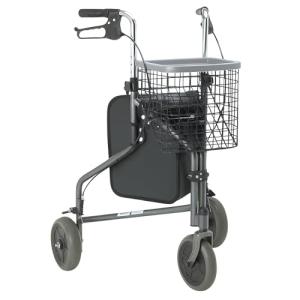
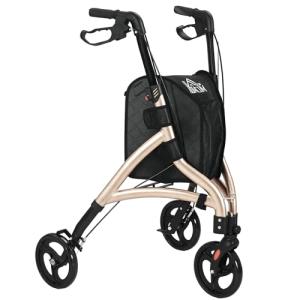
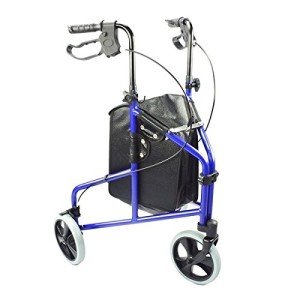
A tri-wheel folding walker is a mobility aid designed specifically for individuals who require additional support while walking. Unlike traditional four-wheel walkers, the tri-wheel model is lighter and more maneuverable, making it particularly suitable for indoor and outdoor use. Here are some key characteristics:
-
Three-Wheeled Design: The unique tri-wheel configuration offers a balance between stability and mobility. The two front wheels allow for easier steering, while the single rear wheel provides support.
-
Folding Mechanism: The ability to fold the walker makes it easy to transport and store. This feature is particularly advantageous for users who travel or have limited living space.
-
Adjustable Height: An adjustable height feature ensures that users can customize the walker to their height, contributing to proper posture and reducing the risk of falls.
Benefits of Using a Tri-Wheel Folding Walker
Using a tri-wheel folding walker comes with numerous benefits, particularly for seniors and individuals with mobility challenges. Here are some of the significant advantages:
-
Enhanced Mobility: The walker allows users to maintain independence, making it easier to move around both at home and in public spaces.
-
User-Friendly: With its lightweight design and intuitive steering, the tri-wheel walker is easy to navigate, making it suitable for users with varying levels of physical ability.
-
Safety Features: Many models come equipped with brakes, providing users with greater control and reducing the risk of accidents.
-
Compact and Portable: Since it can be folded effortlessly, the walker can be conveniently stored in tight spaces or placed in vehicles for outings.
-
Comfort: Many tri-wheel walkers include padded seats and handlebars, ensuring user comfort during short rests or while being maneuvered.
Choosing the Right Tri-Wheel Folding Walker
When selecting a tri-wheel folding walker, several factors need to be considered. Here are important aspects to look for:
-
Adjustable Height Range: Verify that the walker can be adjusted to fit the user’s height. Most models come with height adjustments between 31 to 36 inches.
-
Weight Capacity: Choose a walker tailored to the user’s weight. Most tri-wheel walkers can support between 200 to 350 pounds.
-
Wheel Size and Type: Larger wheels can provide smoother movement over uneven surfaces. Rubber wheels offer better traction compared to plastic ones.
-
Storage Options: Check for features like baskets or pouches for carrying personal belongings.
-
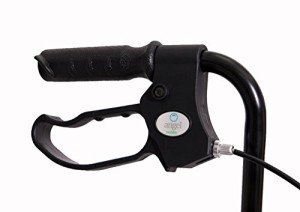
Braking System: Ensure that the walker has a reliable braking system to prevent unwanted movement.
-
Warranty and Durability: Look for products with robust construction and a warranty, which reflects the manufacturer's confidence in the product's longevity.
Common Features of Tri-Wheel Folding Walkers
Many tri-wheel walkers come equipped with a variety of features designed to enhance usability. Some common features include:
- Padded Seats: Allow for resting when fatigued.
- Cup Holders: Convenient for carrying beverages on the go.
- Reflectors: Improves visibility for nighttime use.
- Ergonomic Handles: Promotes comfortable usage and reduces strain on the hands.
Maintenance Tips for Tri-Wheel Folding Walkers
To ensure longevity and optimal performance, regular maintenance of the walker is essential. Here are some maintenance tips:
-
Regular Cleaning: Use a gentle cloth and mild soap to clean metal parts and wheels. Avoid harsh chemicals that might cause wear.
-
Check the Brakes: Regularly test the brakes to ensure they engage properly.
-
Inspect the Tires: Ensure the wheels are not worn out and check for proper inflation if they are pneumatic.
-
Adjust Height as Needed: Regularly ensure that the walker is adjusted to the user’s height for proper posture and comfort.
-
Store Properly: Keep the walker in a dry and safe place away from extreme temperatures to avoid plastic degradation.
FAQs about Tri-Wheel Folding Walkers
Q: Who can benefit from using a tri-wheel folding walker?
A: Individuals with mobility challenges, such as arthritis, balance issues, or those recovering from surgery, can greatly benefit from the stability and support offered by a tri-wheel walker.
Q: Are tri-wheel walkers suitable for outdoor use?
A: Yes, many tri-wheel walkers are designed for both indoor and outdoor use. However, it’s essential to choose a model with appropriate wheels that can handle uneven surfaces.
Q: How do I fold the walker for transport?
A: Folding mechanisms vary by model, but most involve releasing a latch or pressing a button. Always consult the user manual for specific instructions.
Q: Can the walker be used while seated?
A: Yes, many tri-wheel walkers come with a built-in seat. Users can safely use the walker to sit and rest whenever needed.
Q: How do I select the right size walker?
A: To choose the right walker, consider the user’s height and weight. Make sure it has adjustable height features for optimal fit and comfort.
The tri-wheel folding walker with adjustable height is a versatile mobility aid that can significantly enhance the quality of life for those who need assistance while walking. By prioritizing safety, comfort, and user-friendliness, this tool not only promotes independence but also provides peace of mind. As aging populations continue to grow, understanding the features and benefits of such mobility aids will empower users and caregivers alike to make informed choices that enhance mobility and overall well-being.