
Maintaining independence and mobility is a fundamental aspect of quality of life, particularly for seniors or individuals recovering from surgery. As technology in medical equipment has advanced, the transition from bulky, heavy walkers to sleek, ultra-lightweight 3-wheel rollators has revolutionized how people navigate their daily environments.
The ultra-lightweight 3-wheel rollator walker with a storage bag represents the pinnacle of maneuverability. Designed for those who require assistance with balance but do not necessarily need the built-in seat of a 4-wheel model, these devices offer a unique blend of agility and convenience. This post explores the features, benefits, and technical considerations of these specialized mobility aids.
What is an Ultra Lightweight 3-Wheel Rollator?
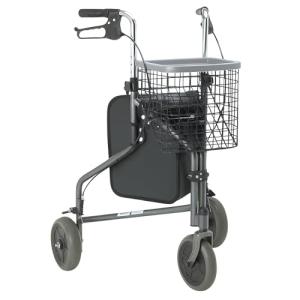
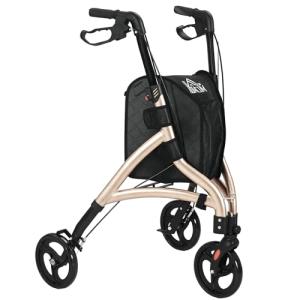
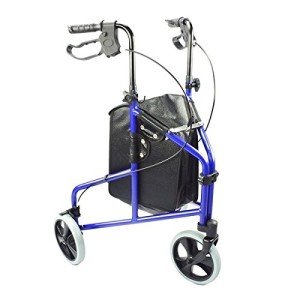
A 3-wheel rollator, often referred to as a "delta" walker due to its triangular shape, features a single front wheel and two rear wheels. This configuration allows for a much tighter turning radius than standard walkers. The "ultra-lightweight" designation usually refers to models constructed from high-grade aluminum or reinforced polymers, typically weighing between 11 and 15 pounds.
The inclusion of a integrated bag is a critical design element. Because 3-wheel rollators lack the seating platform found on 4-wheel versions, the storage bag provides the necessary utility for transporting personal items, groceries, or medical supplies without compromising the user’s balance.
Key Features and Design Elements
1. Exceptional Maneuverability
The primary advantage of the 3-wheel design is its ability to navigate narrow spaces. In older homes with tight hallways or crowded retail environments like grocery stores, the narrow front profile allows the user to pivot almost effortlessly.
2. Lightweight Frame Construction
Most modern ultra-lightweight rollators are built from rust-resistant aluminum. This makes them easy to lift into a car trunk or carry up a short flight of stairs. Despite their low weight, these frames are engineered to support weight capacities ranging from 250 to 300 pounds.
3. Ergonomic Handlebars and Braking Systems
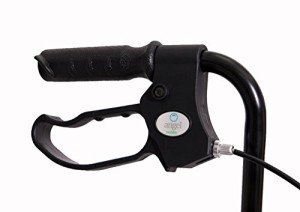
Comfort is paramount for long-term use. These rollators feature height-adjustable handles to ensure the user maintains proper posture. Furthermore, the loop-lock braking system allows for quick stopping or "parking" the walker by pushing the levers downward, ensuring the device remains stationary when the user is standing still.
4. Collapsible Design for Travel
Many individuals choose a 3-wheel rollator specifically for its portability. Most models feature a simple folding mechanism that allows the sides to collapse inward. This reduces the device to a slim profile that can fit behind a car seat or in a narrow closet.
Technical Specifications: A Typical Profile
When selecting a rollator, it is essential to look at the specifications to ensure it meets the physical requirements of the user.
| Feature | Standard Specification |
|---|---|
| Frame Material | High-grade Aluminum |
| Total Weight | 11 lbs - 14 lbs |
| Weight Capacity | 250 lbs - 300 lbs |
| Handle Height Range | 31" - 38" (Adjustable) |
| Wheel Diameter | 7" to 8" (Solid PVC or Rubber) |
| Storage Accessory | Removable Nylon or Vinyl Bag |
| Brake Type | Locking Hand Brakes (Loop Style) |
Comparison: 3-Wheel vs. 4-Wheel Rollators
Prospective buyers often weigh the pros and cons of 3-wheel versus 4-wheel configurations. While both provide mobility support, they serve different functional needs.
| Comparison Factor | 3-Wheel Rollator | 4-Wheel Rollator |
|---|---|---|
| Maneuverability | Superior; excels in tight corners. | Moderate; requires wider turns. |
| Weight | Significantly lighter (Ultra-light). | Heavier due to seat and extra wheel. |
| Seating | No seat included. | Includes a padded seat and backrest. |
| Stability | Good for light-to-moderate support. | High; best for those needing rest breaks. |
| Folding Size | Very compact; takes up minimal space. | Bulky even when folded. |
| Portability | Ideal for air travel and car trunks. | Can be difficult for users to lift alone. |
The Benefits of the Integrated Storage Bag
The storage bag is not merely an accessory; it is a functional necessity that promotes autonomy.
- Safety First: By providing a designated space for personal items, the bag ensures the user's hands remain firmly on the grips rather than carrying separate hand-held bags.
- Weather Protection: Most bags are made from water-resistant materials, keeping electronics or medications dry during transit.
- Convenience: Many models include a "pouch" style bag that remains attached even when the rollator is folded, eliminating the need to detach accessories during transport.
Who is the Best Candidate for a 3-Wheel Rollator?
While these devices are highly efficient, they are not suitable for every individual. Medical professionals generally recommend them for:
- Individuals with High Indoor Mobility Needs: The narrow frame is perfect for navigating through bathrooms and around furniture.
- Travelers: For those who frequently take taxis or airplanes, the lightweight nature is indispensable.
- Users with Sufficient Strength: Since 3-wheel rollators do not have a seat, the user must have enough stamina to walk the entire distance of their journey without needing a built-in resting spot.
- Post-Operative Recovery: Patients recovering from minor hip or knee procedures who need assistance with balance rather than full weight-bearing support often find these units easier to manage.
Maintenance and Safety Tips
To ensure the longevity of an ultra-lightweight rollator, regular maintenance is required:
- Wheel Inspection: Check for debris or hair caught in the axles, which can impede rotation.
- Brake Tension: Over time, brake cables may stretch. Users should regularly test the "lock" function to ensure the wheels do not slide when at a standstill.
- Cleaning: Use a damp cloth to wipe down the aluminum frame and the storage bag. Avoid abrasive chemicals that might degrade the finish.
- Tightening Hardware: Periodically check that the height-adjustment knobs and frame bolts are secure.
Frequently Asked Questions (FAQ)
1. Does a 3-wheel rollator tip over easily?
Because 3-wheel rollators have a narrower base than 4-wheel models, they can be less stable if the user leans heavily to one side. They are designed for balance assistance. Individuals with significant balance disorders may be better suited for a 4-wheel model.
2. Can these rollators be used outdoors?
Yes, most ultra-lightweight models feature 7-inch or 8-inch wheels that can handle sidewalks, pavement, and flat indoor surfaces. However, they are not intended for rugged off-road terrain or thick gravel.
3. How do you adjust the height properly?
The user should stand upright with their arms hanging naturally at their sides. The handles of the rollator should be adjusted to line up with the user's wrists. This ensures that when they grip the handles, their elbows are slightly bent at a comfortable 15-degree angle.
4. Is the storage bag removable?
In most cases, yes. The bags are typically attached via hook-and-loop fasteners or snaps, allowing them to be removed for cleaning or to lighten the device even further.
5. Are there weight limits I should be aware of?
Yes. Despite being "lightweight," most of these walkers have a weight capacity between 250 and 300 lbs. It is vital to check the manufacturer's specific rating, as exceeding this limit can compromise the integrity of the aluminum frame.
The ultra-lightweight 3-wheel rollator walker with a bag is a specialized solution for those who prioritize agility and ease of transport. By removing the bulk of a traditional seat and utilizing high-performance materials, these walkers allow users to navigate the world with a sense of freedom that heavier models cannot provide. Whether it is a quick trip to the pharmacy or maneuvering through a busy restaurant, the 3-wheel rollator ensures that limited mobility does not mean a limited lifestyle. For individuals seeking a marriage of form and function, this mobility aid stands as an excellent investment in continued independence.