3 wheel rollators are a fantastic option for anyone needing a little extra support while staying active. They're lightweight, easy to maneuver, and perfect for navigating tight spaces. Plus, with the added storage basket, you can bring your essentials along for the ride.
3 Wheel Rollators
Discover the perfect blend of stability and maneuverability for your outdoor adventures
Product List
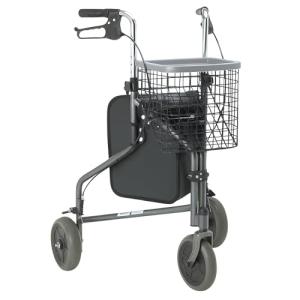
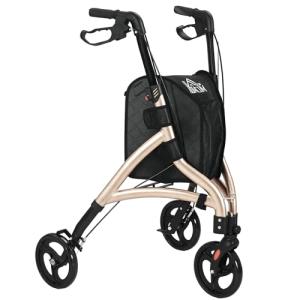
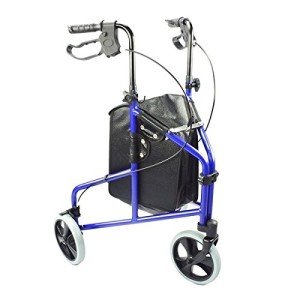
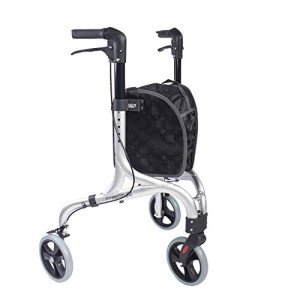
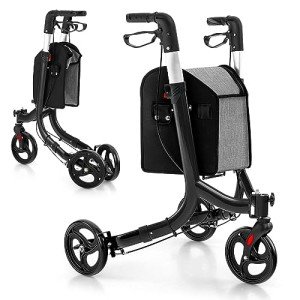
Ultra Lightweight 3-Wheel Rollator
Nrs Healthcare
Product Review Score
4.85 out of 5 stars
143 reviews$160.12
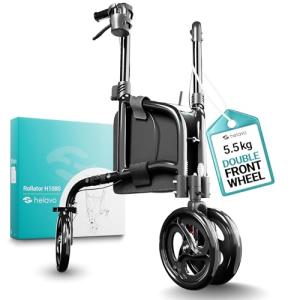
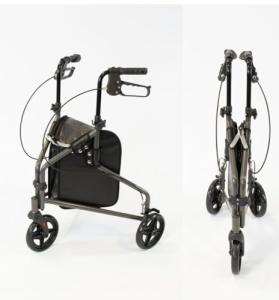
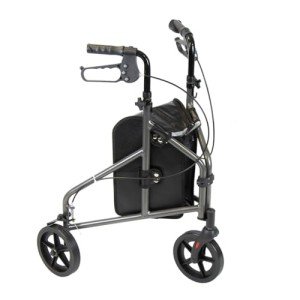
NRS 3-Wheel Rollator with Bag
Nrs Healthcare
Product Review Score
4.69 out of 5 stars
161 reviews$97.29
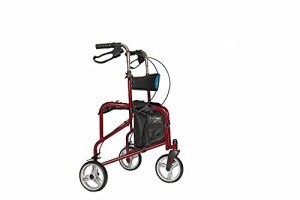
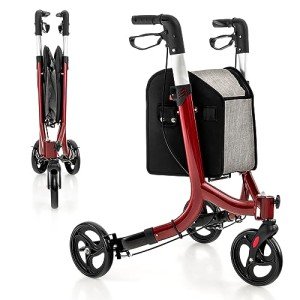
Lightweight 3-Wheel Walker
Angel Mobility
Product Review Score
4.92 out of 5 stars
195 reviews$93.34
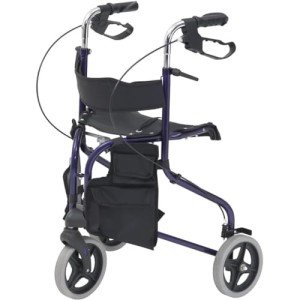
Lightweight 3-Wheel Rollator
Nrs Healthcare
Product Review Score
4.96 out of 5 stars
10 reviews$158.44
Maintaining mobility is a cornerstone of independence for many aging adults and individuals recovering from injury. As the need for walking assistance arises, the marketplace offers a variety of solutions, from standard walkers to advanced power chairs. Among these options, the 3-wheel rollator has emerged as a popular choice for those who require a balance between support and agility.
Often referred to as "tri-walkers," 3-wheel rollators provide a unique set of advantages that distinguish them from their four-wheeled counterparts. This guide provides an in-depth look at 3-wheel rollators, their features, benefits, and how to determine if they are the right choice for specific mobility needs.
What is a 3-Wheel Rollator?
A 3-wheel rollator is a mobility aid designed with a triangular frame, featuring one pivoting wheel in the front and two fixed wheels in the back. Unlike a standard walker, which may require the user to lift the device with every step, a rollator features wheels that remain in contact with the ground, allowing for a smooth, continuous walking motion.
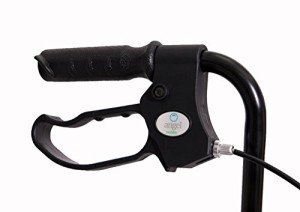
These devices are equipped with handlebars for stability and hand brakes for safety. Due to their three-wheel configuration, they are generally narrower and more lightweight than 4-wheel models, making them highly effective for navigating tight spaces and indoor environments.
Key Features and Design Elements
Understanding the components of a 3-wheel rollator is essential for evaluating its quality and utility. While designs vary between manufacturers, most high-quality models share several core features:
1. Maneuverability and the Turning Radius
The primary advantage of the 3-wheel design is its tight turning radius. Because the single front wheel can pivot more sharply than the dual front wheels of a 4-wheel model, the user can navigate around sharp corners, narrow hallways, and crowded rooms with ease.
2. Lightweight Frames
Most 3-wheel rollators are constructed from aluminum or lightweight steel. This makes them easier to push and significantly simpler to load into a vehicle trunk or transport on public transit.
3. Adjustable Handle Height
Proper ergonomics are vital to prevent back strain and ensure stability. Almost all rollators feature handles that can be adjusted in height to accommodate different users, ensuring that the elbows are at a comfortable 15 to 20-degree bend.
4. Braking Systems
Safety is maintained through hand brakes, typically located on the handlebars. These brakes serve two purposes:
- Squeeze braking: Slows the rollator while walking.
- Locking brakes: Secures the rollator in place when the user is standing still or storing the device.
5. Storage Solutions
Unlike standard walkers, 3-wheel rollators almost always come with built-in storage. This often includes a zippered pouch, a wire basket, or a tray, allowing users to transport personal items, groceries, or medical supplies hands-free.
Comparing 3-Wheel and 4-Wheel Rollators
Choosing between a 3-wheel and a 4-wheel model depends largely on the user's specific mobility requirements. Below is a comparison table to highlight the primary differences.
Table 1: 3-Wheel vs. 4-Wheel Rollators
| Feature | 3-Wheel Rollator | 4-Wheel Rollator |
|---|---|---|
| Turning Radius | Exceptionally tight; ideal for narrow spaces. | Larger; requires more room to turn. |
| Stability | Moderate; best for those with minor balance issues. | High; best for those with significant balance issues. |
| Weight | Generally lighter (10–15 lbs). | Generally heavier (15–25 lbs). |
| Seating | Rarely includes a seat. | Almost always includes a built-in seat. |
| Width | Narrower profile. | Wider profile. |
| Outdoor Use | Best for flat, paved surfaces. | Suitable for varied terrains. |
| Portability | Folds into a slim, compact shape. | Folds but remains wider. |
Who is the Ideal Candidate for a 3-Wheel Rollator?
While these devices are versatile, they are not suitable for every individual. It is important to match the user's physical capabilities with the device's limitations.
Recommended For:
- Individuals in Small Living Spaces: Those living in apartments or homes with narrow doorways and cluttered rooms benefit from the slim design.
- Active Individuals with Minor Balance Issues: Users who need a "reminder" of stability and a way to offload some weight but do not require a seat for frequent rests.
- Travelers: Because they are lightweight and fold into a "V" shape, they fit easily into compact cars and through airplane aisles.
- Upper Body Strength: Users should have enough hand strength to operate the brakes effectively to ensure the device does not roll away.
Not Recommended For:
- High Fall Risks: Individuals who experience severe dizziness or have a high propensity for falling may find the 3-wheel design less stable than the 4-wheel version.
- Need for Frequent Seating: Since 3-wheel rollators typically lack seats, they are not appropriate for individuals who must rest periodically due to fatigue or respiratory issues.
- Total Weight Bearing: These are not intended to support a person's full body weight; they are aids for walking, not replacements for weight-bearing strength.
Technical Specifications to Consider
When shopping for a 3-wheel rollator, several technical specifications must be cross-referenced with the user's physical needs.
Table 2: Material and Weight Capacities
| Frame Material | Average Weight of Device | Weight Capacity (User) | Characteristics |
|---|---|---|---|
| Aluminum | 10 – 13 lbs | 250 – 300 lbs | Corrosion-resistant, very light, easy to lift. |
| Steel | 14 – 18 lbs | 300 – 375 lbs | Highly durable, sturdier feel, heavier to transport. |
| Carbon Fiber | 8 – 10 lbs | 250 – 300 lbs | Premium material, extremely light, more expensive. |
Wheel Size
Rollator wheels generally range from 6 to 8 inches.
- 6-inch wheels: Best for indoor use and smooth floors.
- 8-inch wheels: Better for outdoor use, as they can navigate sidewalk cracks and uneven surfaces more effectively.
Benefits of Using a 3-Wheel Rollator
The advantages of choosing a 3-wheel configuration extend beyond mere movement. The psychological and physiological impacts can significantly improve quality of life.
Enhanced Navigation
The "tri-fold" mechanism allows the rollator to be partially collapsed while in use. If a user encounters a particularly narrow passage, they can slightly pull the handles together to move through the space while still maintaining the support of the device.
Encouraging a Healthy Gait
Unlike standard walkers which often lead to a "hunch and lift" movement pattern, rollators encourage a more natural gait. This helps in maintaining muscle tone in the legs and improves cardiovascular health by facilitating longer walking durations.
Simplified Storage and Transport
A 3-wheel rollator folds vertically. This means it can stand on its own in a corner of a restaurant or a narrow hallway without becoming a tripping hazard. For those who frequently travel by car, the ease of folding the device and placing it in the front or back seat—rather than the trunk—is a major convenience.
Maintenance and Safety Tips
To ensure longevity and safety, regular maintenance of the 3-wheel rollator is necessary.
- Check the Brakes: Periodically test the brakes to ensure they grip the wheels firmly. Over time, the cables may stretch and require tightening.
- Inspect the Tires: Look for signs of wear or flat spots on the rubber/plastic wheels. Worn tires can decrease traction, especially on smooth tile floors.
- Tighten Bolts: Vibrations from walking on uneven surfaces can loosen the nuts and bolts over time. A quick monthly check with a wrench can prevent structural failure.
- Height Adjustment: Ensure the height settings have not slipped. If the handles are too low, it causes slouching; if they are too high, it reduces the stability the device provides.
Frequently Asked Questions (FAQ)
1. Can a 3-wheel rollator be used on grass or gravel?
While they can navigate short distances on firm grass, 3-wheel rollators are not designed for rough terrain. Their three-point contact system is less stable than a four-point system on uneven ground, increasing the risk of the device tipping.
2. Can you add a seat to a 3-wheel rollator?
Generally, no. The triangular design and frame geometry of 3-wheel rollators are not built to support the vertical load of a seated person. For users who require a seat, a 4-wheel rollator is the appropriate choice.
3. Will a 3-wheel rollator fit through a standard bathroom door?
Yes. One of the primary reasons people choose 3-wheel models is that they are'typically 2 to 4 inches narrower than 4-wheel models, making them ideal for the notoriously narrow doors of residential bathrooms.
4. Is assembly difficult?
Most models arrive mostly assembled. Usually, the user only needs to insert the handlebars and tighten the adjustment knobs. No specialized tools are typically required.
5. Does insurance or Medicare cover 3-wheel rollators?
In many cases, Medicare Part B covers rollators as Durable Medical Equipment (DME) if prescribed by a doctor. However, they may cover a standard walker or a 4-wheel rollator more readily. It is essential to check with a provider regarding specific model approvals.
The 3-wheel rollator is a specialized mobility aid that excels in portability and maneuverability. By offering a lightweight frame and a slim profile, it provides a sense of freedom for individuals who need assistance with balance but do not want to be slowed down by larger, more cumbersome equipment.
While it may not offer the seating or the extreme stability of a 4-wheel model, its ability to navigate the complexities of indoor living and tight social environments makes it an invaluable tool for maintaining an active, independent lifestyle. When selecting a rollator, individuals should prioritize their specific environment, leur weight requirements, and personal stability needs to ensure the best possible fit for their daily lives.