Folding mobility scooters are all about convenience and ease of use. They quickly fold up for easy storage and transport, making them perfect for those on the go. Whether you're heading to a friend’s house or traveling, these scooters are lightweight and hassle-free, giving you the freedom to move around effortlessly.
Folding Mobility Scooters
Convenient and portable solutions for easy travel and independence
Product List
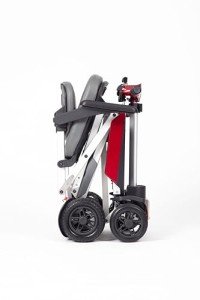
Folding 4-Wheel Mobility Scooter
Drive Medical
Product Review Score
4.43 out of 5 stars
20 reviews$1,403.72
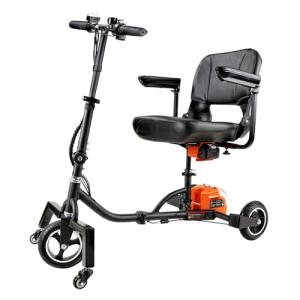
Folding Electric Mobility Scooter
Superhandy
Product Review Score
4.23 out of 5 stars
14 reviews$869.99 $795.59
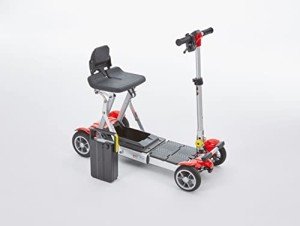
mLite Folding Electric Scooter
Motion Healthcare
Product Review Score
4.75 out of 5 stars
134 reviews$1,721.85
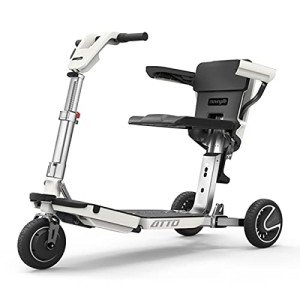
ATTO Foldable Mobility Scooter
Movinglife
Product Review Score
4.67 out of 5 stars
154 reviews$3,499.00
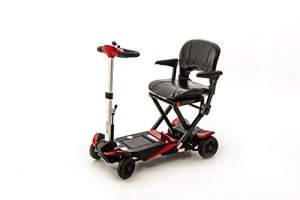
Monarch Smarti Folding Scooter
Monarch Mobility
Product Review Score
4.72 out of 5 stars
24 reviews$2,639.53
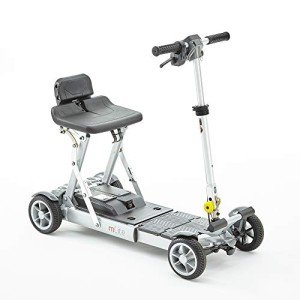
mLite Folding Mobility Scooter
Motion Healthcare
Product Review Score
4.69 out of 5 stars
119 reviews$1,524.09
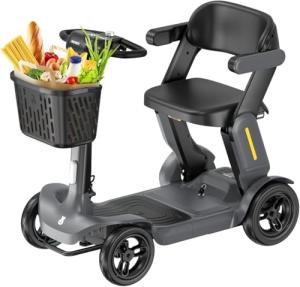
Foldable Scooter with 25-Mile Range
Paiseec
Product Review Score
4.77 out of 5 stars
183 reviews$1,802.70

Folding 4-Wheel Adult Scooter
Zipgoin
Product Review Score
4.89 out of 5 stars
152 reviews$1,030.37
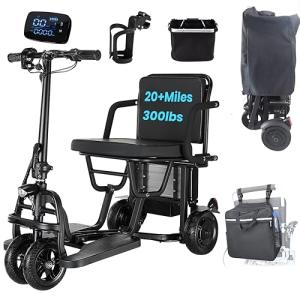
20-Mile Lightweight 4-Wheel Scooter
Tripaide
Product Review Score
4.28 out of 5 stars
70 reviews$948.00
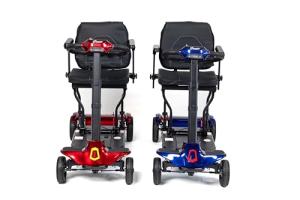
Monarch Genie Lightweight Scooter
Monarch Mobility
Product Review Score
4.6 out of 5 stars
75 reviews$2,366.06
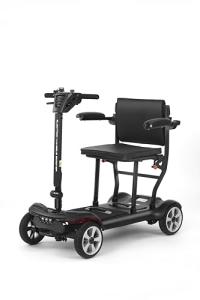
Angel Lightweight Folding Scooter
Angel Mobility
Product Review Score
4.42 out of 5 stars
37 reviews$921.24
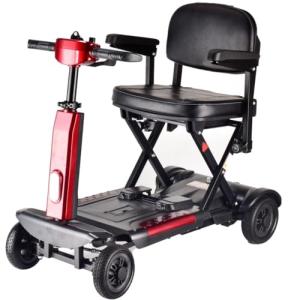
Foldable Electric Mobility Scooter
T-Sport
Product Review Score
4.59 out of 5 stars
123 reviews$1,020.51
In recent years, the mobility industry has witnessed a significant shift in design philosophy. While traditional, heavy-duty mobility scooters remain essential for certain users, the rise of the folding mobility scooter has revolutionized how individuals with limited mobility interact with the world. These compact, versatile machines are designed to bridge the gap between heavy-duty performance and the need for easy transport.
This guide explores the intricacies of folding mobility scooters, their benefits, the different types available, and essential factors to consider before making a purchase.
What is a Folding Mobility Scooter?
A folding mobility scooter is a lightweight personal transport vehicle designed specifically for individuals who experience difficulty walking long distances. Unlike standard scooters, which often require a vehicle lift or disassembly for transport, folding models can be collapsed into a compact shape. This design allows them to fit into car trunks, closets, or even overhead compartments on some forms of public transportation.
The Two Primary Categories
Folding scooters generally fall into two categories based on their folding mechanism: manual and automatic.
- Manual Folding Scooters: These require the user or a caregiver to physically pull a lever or push a button to collapse the frame. They are typically lighter because they lack the motors required for automatic folding.
- Automatic (Remote) Folding Scooters: These utilize an internal motor to fold and unfold the device at the touch of a button or a remote key fob. This is ideal for individuals with limited dexterity or back pain who may struggle with manual operation.
Comparison Table: Manual vs. Automatic Folding Scooters
| Feature | Manual Folding | Automatic Folding |
|---|---|---|
| Operation | Physical manipulation of levers | Button or remote control |
| Weight | Typically lighter (no folding motor) | Slightly heavier due to motor |
| Price | Generally more affordable | More expensive |
| Reliability | Low mechanical failure risk | Requires battery power to fold |
| Best For | Active users/Caregivers | Users with limited hand strength |
Key Features to Consider
When researching a folding mobility scooter, it is important to look beyond the "folding" aspect. The specifications of the device will determine how well it fits into a user’s specific lifestyle.
1. Weight and Portability
The total weight of the scooter is a vital metric. Most folding scooters weigh between 45 and 65 pounds. Some models offer the ability to remove the battery or the seat to further reduce the lifting weight.
2. Battery Type and Range
Most modern folding scooters use Lithium-ion batteries. These are preferred because they are significantly lighter than traditional lead-acid batteries and offer a better power-to-weight ratio.
- Travel Range: Most folding models offer a range of 6 to 15 miles per charge.
- Airline Approval: It is crucial to check if the battery is "FAA-approved" if the user intends to fly. Typically, batteries under 300Wh are accepted.
3. Turning Radius and Maneuverability
Because folding scooters are often used indoors—in shopping malls, museums, or homes—a tight turning radius is essential. Three-wheel models generally offer better maneuverability in tight spaces, while four-wheel models provide more stability on uneven surfaces.
4. Ground Clearance
Folding scooters tend to have lower ground clearance compared to their full-sized counterparts. This makes them excellent for flat surfaces but less ideal for "off-roading" on thick grass or gravel paths.
The Benefits of Owning a Folding Mobility Scooter
The primary appeal of these devices lies in the freedom they provide. Below are some of the most significant advantages:
- Ease of Travel: They are the gold standard for cruise ships, airplanes, and trains.
- No Vehicle Modifications: Most users do not need to install expensive ramps or lifts on their cars; the scooter simply fits in the trunk.
- Storage Efficiency: In smaller living environments like apartments or assisted living facilities, the ability to tuck a scooter into a corner is invaluable.
- Psychological Well-being: By removing the anxiety associated with "getting tired" while out, users are more likely to engage in social activities.
List: Who Should Consider a Folding Scooter?
- Frequent travelers who enjoy cruises or air travel.
- Individuals who live in apartments with limited storage.
- People who still drive a standard sedan or hatchback.
- Individuals who only need mobility assistance for medium distances (like at a mall or park).
Technical Specifications Comparison
When choosing between a lightweight travel model and a slightly more "heavy-duty" folding model, the following table can help illustrate the trade-offs:
| Specification | Lightweight Travel Model | Enhanced Comfort Folding Model |
|---|---|---|
| Weight Capacity | 250 lbs | 300 - 350 lbs |
| Max Speed | 3.5 - 4 mph | 4 - 5 mph |
| Range | 6 - 9 miles | 12 - 18 miles |
| Suspension | Often none | Basic spring suspension |
| Tire Type | Solid/Flat-free | Puncture-proof or pneumatic |
Maintenance and Care
To ensure the longevity of a folding mobility scooter, regular maintenance is required. Because these devices have moving joints for the folding mechanism, they require a different care routine than fixed-frame scooters.
- Battery Care: Never let the battery fully deplete. Charge it after every significant use and at least once a month if stored for long periods.
- Joint Inspection: Periodically check the folding hinges for debris or wear. A small amount of lubricant may be necessary if the mechanism becomes stiff.
- Cleaning: Use a damp cloth to wipe down the frame. Avoid using a hose or high-pressure water, as this can damage the sensitive electronics and the folding motor.
- Tire Check: Inspect the tires for wear and tear. Since most folding scooters use solid tires, you won't need to worry about air pressure, but they can still develop flat spots or cracks over time.
Common Mistakes to Avoid When Purchasing
- Ignoring the Weight Limit: Exceeding the manufacturer's weight capacity can strain the motor and compromise the folding hinges.
- Assuming All Are Airline Safe: Not all lithium batteries meet FAA regulations. Always verify the Watt-hour (Wh) rating before heading to the airport.
- Neglecting the User’s Height: Some folding scooters have low tillers (steering columns) that may be uncomfortable for taller individuals.
- Forgetting the Terrain: If the user lives in a rural area with many gravel paths, a folding scooter may struggle compared to a large-wheeled, full-sized model.
Frequently Asked Questions (FAQ)
1. Can folding mobility scooters go on airplanes?
Yes, most are designed for air travel. However, the lithium battery must usually be removed and carried into the cabin, and it must meet specific capacity requirements (typically under 300Wh). Always contact the airline 48 hours before your flight.
2. Are folding scooters comfortable for long-term use?
While they are comfortable for several hours of shopping or sightseeing, they typically have less padding than full-sized scooters to keep the weight down. For all-day use, some users choose to add an aftermarket gel cushion.
3. Do they work well on grass?
Most folding mobility scooters are designed for paved or flat indoor surfaces. While they can handle very short, well-manicured grass, they are not intended for rugged outdoor use due to their small wheels and low ground clearance.
4. How long does the battery last?
Lithium-ion batteries in these scooters typically last between 2 to 4 years, depending on usage and how well they are maintained.
5. Are folding scooters stable?
Yes, they are engineered with a low center of gravity. However, users should always slow down when taking sharp turns, especially on 3-wheel models, to ensure maximum stability.
Folding mobility scooters represent the pinnacle of modern assistive technology, offering a blend of independence, convenience, and compact engineering. By understanding the differences between manual and automatic models and considering factors like battery range and weight capacity, users can find a device that significantly improves their quality of life. Whether it is a trip to the local grocery store or a once-in-a-lifetime vacation overseas, these scooters ensure that mobility limitations do not dictate one's lifestyle.