Threshold wheelchair ramps are a must-have for anyone looking to make their home more accessible. These ramps help you easily roll over doorsteps and uneven surfaces, giving you the freedom to move around without barriers. Whether you're using a wheelchair or a scooter, installing a threshold ramp can make your life a lot simpler.
Threshold Wheelchair Ramps
Easily access your home or favorite places with our durable and sturdy threshold wheelchair ramps
Product List
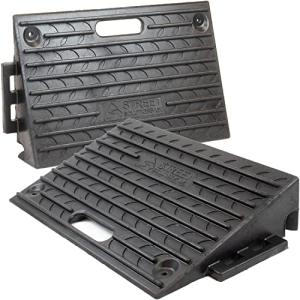
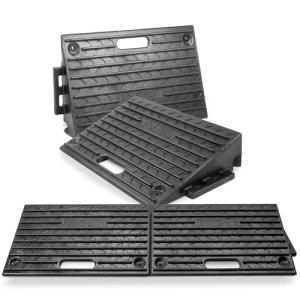
Heavy Duty Mobility Ramps
Street Solutions Uk
Product Review Score
4.18 out of 5 stars
44 reviews$59.68
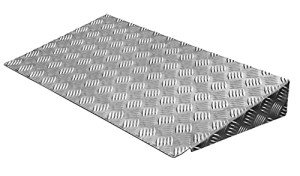
Avonstar 4" Silver Ramp
Avonstar Classics Range
Product Review Score
4.17 out of 5 stars
170 reviews
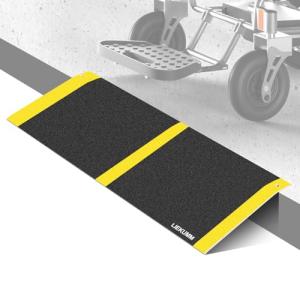
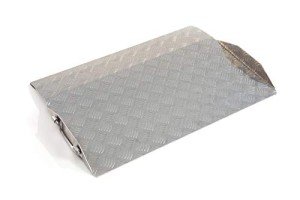
Aluminium Doorway Threshold Ramp
The Ramp People
Product Review Score
4.76 out of 5 stars
222 reviews$183.05
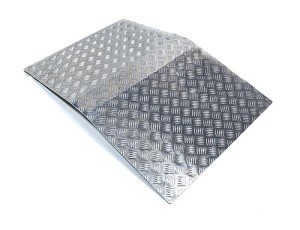
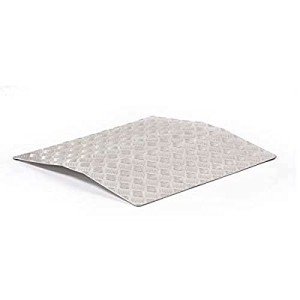
Drive Devilbiss Aluminum Ramp
Devilbiss Healthcare
Product Review Score
4.48 out of 5 stars
44 reviews$102.80
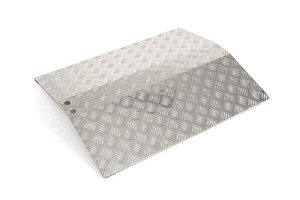
4cm Wheelchair & Scooter Ramp
The Ramp People
Product Review Score
4.69 out of 5 stars
30 reviews$125.75
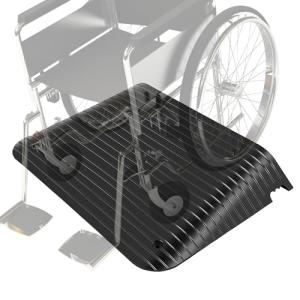
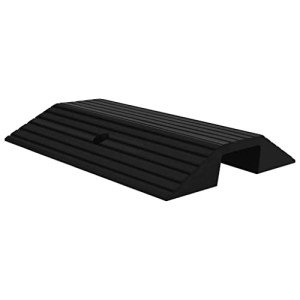
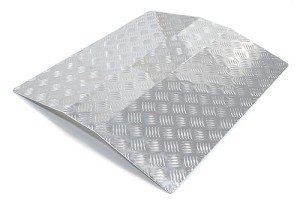

For individuals utilizing mobility aids such as wheelchairs, power scooters, or walkers, a single inch can represent a significant barrier to independence. While large staircases are obvious hurdles, the small "lips" or rises found at doorways—known as thresholds—can be just as challenging and potentially dangerous. Threshold wheelchair ramps are designed specifically to bridge these small gaps, ensuring smooth transitions between rooms and through entryways.
This guide provides an in-depth exploration of threshold ramps, their materials, benefits, and how to select the appropriate model to enhance accessibility and safety.
What is a Threshold Wheelchair Ramp?
A threshold wheelchair ramp is a short, inclined platform designed to sit flush against a raised doorstep or door track. These ramps typically handle rises between 0.5 inches and 6 inches. Unlike longer modular ramps used to bypass entire flights of stairs, threshold ramps are compact, often portable, and designed to minimize the "jolt" experienced when a mobility device encounters a sudden change in floor height.
The Importance of Threshold Management
Standard doorways often feature a raised landing or a sliding glass door track to prevent water from entering the home. For a person in a wheelchair, these tracks can cause the front casters to get stuck or create a jarring impact that may lead to injury or equipment damage. Threshold ramps mitigate these risks by creating a continuous, sloped surface.
Types of Threshold Ramps by Material
The effectiveness of a ramp often depends on its construction. Different materials offer various benefits regarding weight capacity, weather resistance, and aesthetics.
| Material | Best Use Case | Pros | Cons |
|---|---|---|---|
| Rubber | Heavy-duty, outdoor use, sliding doors | High traction, can be trimmed to fit, very durable | Heavy to move, may have a "rubber smell" initially |
| Aluminum | Permanent or semi-permanent indoor/outdoor | Lightweight, rust-proof, high weight capacity | Can be slippery when wet if not textured |
| Plastic/Composite | Budget-friendly, indoor use | Lightweight, affordable, easy to clean | Lower weight capacity, can crack over time |
| Adjustable Aluminum | Uneven surfaces or varying heights | Highly versatile, legs adjust independently | More expensive, requires more setup time |
Key Features to Consider
When evaluating threshold ramps, several technical specifications must be taken into account to ensure the safety of the user.
1. Load Capacity
Most threshold ramps are designed to support between 600 and 800 pounds. It is vital to calculate the combined weight of the user, the mobility device (which can be several hundred pounds for power chairs), and any additional gear or oxygen tanks.
2. Surface Texture
Slip resistance is non-negotiable. Rubber ramps naturally provide a high-grip surface. Aluminum ramps should feature a "grit" coating or a punched-hole pattern to ensure wheels do not spin, especially in wet conditions.
3. Edge Design
Some ramps are "beveled," meaning they slope down on the sides as well as the front. This allows the wheelchair to approach the ramp from an angle without tipping. Non-beveled ramps have "curbs" or side rails to prevent the chair from slipping off the edge.
Measuring for a Threshold Ramp
Accuracy is critical when purchasing a ramp. A ramp that is too short will create a slope that is too steep to climb safely, while a ramp that is too wide may not fit within the door frame.
Steps for Accurate Measurement:
- Measure the Rise: Measure the vertical height of the threshold from the ground to the highest point of the doorway.
- Measure the Width: Measure the interior width of the door frame. The ramp must be slightly narrower than the opening to fit flush.
- Check for Obstructions: Ensure there is enough clearance for the door to swing open or closed over the ramp.
Recommended Ramp Lengths
While the Americans with Disabilities Act (ADA) recommends a 1:12 slope ratio for commercial spaces (12 inches of length for every 1 inch of rise), residential threshold ramps often use a steeper ratio due to space constraints.
| Rise Height | Recommended Ramp Length (Standard) | ADA Compliant Length (Commercial) |
|---|---|---|
| 1 Inch | 6 - 12 Inches | 12 Inches |
| 2 Inches | 12 - 24 Inches | 24 Inches |
| 3 Inches | 18 - 36 Inches | 36 Inches |
| 4 Inches | 24 - 48 Inches | 48 Inches |
Benefits of Installing Threshold Ramps
Integrating these accessibility tools into a home or business provides more than just physical access; it fosters an environment of inclusion.
- Enhanced Safety: By eliminating the need to "hop" over thresholds, the risk of tipping backward or falling out of the chair is drastically reduced.
- Protection of Flooring: Forcing a wheelchair over a metal door track repeatedly can bend the track or damage the flooring. Ramps protect the structural integrity of the home.
- Increased Independence: Users can transition between rooms or go outside without needing a caregiver’s assistance to navigate small bumps.
- Versatility: Many threshold ramps are light enough to be picked up and moved to different locations, such as a garage entry or a back patio door.
Installation and Maintenance
Most threshold ramps offer a "lay-and-go" installation. However, depending on the model, some maintenance is required to ensure long-term safety.
Installation Tips:
- Permanent Mounting: Aluminum ramps often come with pre-drilled holes. It is advisable to screw them into the floor or threshold if they are intended for permanent use to prevent shifting.
- Trimming Rubber Ramps: Recycled rubber ramps can often be trimmed with a utility knife to fit the exact height or width of a specific doorway.
- Avoid Gaps: Ensure the top of the ramp is flush with the threshold. Even a half-inch gap can cause a wheel to catch.
Maintenance Checklist:
- Debris Removal: Regularly sweep the ramp to remove leaves, dirt, or snow that could compromise traction.
- Check Fasteners: If the ramp is screwed down, check quarterly to ensure the screws haven't loosened.
- Surface Inspection: For aluminum ramps, ensure the non-slip tape or coating is not peeling.
Addressing Unique Thresholds: Sliding Glass Doors
Sliding glass doors present a unique challenge because they have tracks on both the interior and exterior. In these cases, a "bridging" ramp or a "double-sided" threshold ramp is required. These units sit over the track, providing a smooth path up and over without putting any weight on the delicate door mechanism itself.
Frequently Asked Questions (FAQ)
Q: Can threshold ramps be used on carpet?A: Yes, most rubber and aluminum ramps can sit on top of low-pile carpet. However, for high-pile or plush carpeting, the ramp should be secured to the floor to prevent it from sliding or sinking unevenly.
Q: Are rubber threshold ramps safe for indoor use?A: Absolutely. Many are made from recycled tires and are highly durable. It is important to look for "low-odor" options if the ramp will be used in a small, unventilated room.
Q: Will a threshold ramp interfere with the door closing?A: This depends on the door's clearance. Some ramps are designed with a "flap" or a thin top edge specifically to allow the door to swing over them. Always check the "swing clearance" of the door before purchasing.
Q: What is the maximum height a threshold ramp can handle?A: Most dedicated threshold ramps are designed for rises up to 6 inches. For heights greater than 6 inches, a portable suitcase ramp or a modular ramp system is usually recommended for safety and ease of use.
Q: Is professional installation required?A: In most residential cases, no. Most threshold ramps are designed for DIY installation. However, for commercial properties, professional installation may be required to ensure compliance with local accessibility codes and ADA standards.
Threshold wheelchair ramps are a simple yet transformative solution for accessibility. By addressing the small elevation changes that many able-bodied individuals overlook, these tools provide mobility device users with the safety and autonomy they deserve. Whether opting for the rugged durability of a rubber ramp or the sleek versatility of an adjustable aluminum model, investing in a threshold ramp is a vital step toward creating a truly barrier-free environment. For those looking to improve a home or business, measuring the rise and selecting a high-traction, high-capacity ramp can make all the difference in daily navigation.