
As the global population ages, the demand for innovative mobility solutions has skyrocketed. For many seniors, the transition from complete independence to requiring a mobility aid can be emotionally and physically challenging. Traditional walkers offer stability but can be exhausting over long distances, while standard mobility scooters provide transport but offer little in the way of exercise or physical engagement.
Enter the Folding Electric Walker Scooter—a hybrid innovation designed to bridge the gap between a rollator and a motorized scooter. This dual-purpose device is transforming how seniors navigate their communities, offering the freedom to walk when they are able and ride when they need a rest.
What is a Folding Electric Walker Scooter?
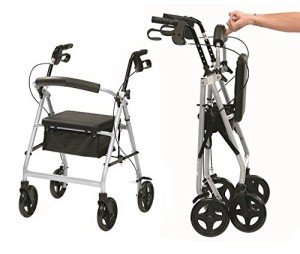
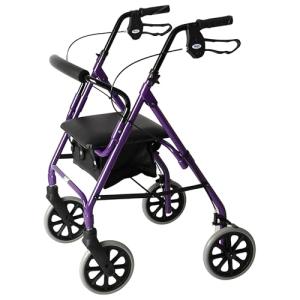
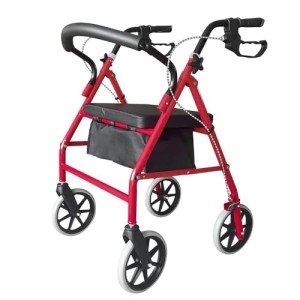
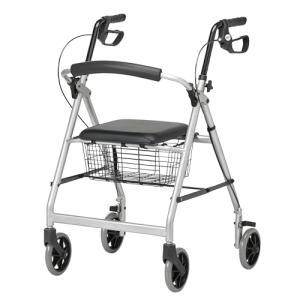
A folding electric walker scooter, often referred to as a "hybrid mobility aid" or "e-walker," is a multi-functional device. It typically features four wheels, a seat, handlebars with throttle controls, and a lightweight frame that can be folded for transport.
Unlike a standard rollator, it is equipped with a battery-powered motor. Users can push it like a traditional walker to get their daily exercise, but if they become fatigued or encounter an incline, they can sit down and operate it as a motorized scooter.
Key Differences Between Mobility Aids
To understand the value of this hybrid device, it is helpful to compare it to traditional options:
| Feature | Traditional Walker/Rollator | Standard Mobility Scooter | Folding Electric Walker Scooter |
|---|---|---|---|
| Primary Power | Manual (User) | Electric Motor | Hybrid (Manual + Electric) |
| Portability | High (Lightweight) | Low to Medium (Heavy) | High (Folding & Lightweight) |
| Exercise Potential | High | Low | High (Adjustable) |
| Long Distance | Challenging | Excellent | Excellent |
| Indoor Use | Excellent | Limited (Bulky) | Excellent |
| Weight Capacity | 250–300 lbs | 300–500 lbs | 250–330 lbs |
Top Benefits for Seniors
1. The Power of Choice
The most significant advantage is the psychological boost of having options. Seniors no longer have to decide between "staying home" or "using a heavy scooter." They can set out on foot, knowing that if their joints ache or they feel short of breath, they have a motorized safety net to get them back home safely.
2. Enhanced Safety Features
Modern electric walker scooters are engineered with senior safety as a priority. Most models include:
- Electronic Braking Systems: Automatically slows the device down on descents.
- Anti-Tip Wheels: Prevent the device from tilting backward on inclines.
- Speed Governors: Allow users to set a maximum speed (usually between 2 and 4 mph) to ensure they never lose control.
3. Portability and Storage
Traditional scooters often require expensive vehicle lifts or specialized vans. A folding electric walker, however, is designed to fit into the trunk of a standard sedan. Most models utilize lightweight aluminum or carbon fiber frames, weighing between 30 and 45 pounds, making them manageable for caregivers or more active seniors.
Technical Specifications to Consider
When researching the ideal model, it is essential to understand the technical jargon. The performance of these devices depends heavily on the motor and battery type.
| Specification | Standard Range | Why it Matters |
|---|---|---|
| Battery Type | Lithium-ion | Lighter and faster to charge than lead-acid. |
| Motor Power | 200W - 350W | Higher wattage handles hills more effectively. |
| Maximum Range | 8 – 12 miles | Determines how far you can travel on one charge. |
| Charge Time | 3 – 5 hours | Shorter times allow for more frequent use. |
| Turning Radius | 30 – 40 inches | Smaller radius is better for indoor/tight spaces. |
| Wheel Material | Solid PU or Honeycomb | Prevents punctures and provides shock absorption. |
How to Choose the Right Model
Selecting a folding electric walker scooter requires careful consideration of the user's lifestyle and physical needs. Here is a checklist of factors to evaluate:
- Weight Capacity: Ensure the device is rated for the user’s weight plus any items they might carry in the storage basket.
- Folded Dimensions: Measure the trunk of the car where the device will most often be stored to ensure a comfortable fit.
- Seat Comfort: Since the device doubles as a scooter, the seat should be padded and provide adequate lumbar support.
- Handlebar Height: Look for adjustable handles. Proper ergonomic alignment prevents wrist and shoulder strain.
- Terrain Capability: If the senior plans to use the device on gravel paths or grass, look for models with larger, "all-terrain" wheels (8 inches or larger).
Maintaining the Device for Longevity
To ensure the safety and longevity of a folding electric walker scooter, regular maintenance is required. Because these devices involve both mechanical and electronic components, a proactive approach is best.
- Battery Care: Never let the battery drain to 0%. Most lithium batteries last longer when kept between 20% and 80% charge. If the device won't be used for a month, charge it to about 50% and store it in a cool, dry place.
- Tire Inspection: Check for wear and tear monthly. Even solid tires can develop flat spots or cracks over time.
- Frame Cleaning: Use a damp cloth to wipe away dirt and salt (especially in winter). Avoid spraying water directly onto the motor or control panel.
- Bolt Tightening: Vibrations from travel can occasionally loosen screws. A quick check of the folding joints every few months ensures the device remains sturdy.
Common Use Cases
- Shopping Centers: The hybrid nature allows seniors to walk through the aisles for exercise but use the motor to navigate the long trek from the back of the store to the parking lot.
- Air Travel: Many folding electric walkers are TSA-approved. They can be driven right to the gate, folded, and gate-checked like a stroller.
- Parks and Museums: These locations often involve miles of walking. The walker scooter allows seniors to keep up with grandchildren without physical overexertion.
Frequently Asked Questions (FAQ)
Is a folding electric walker scooter covered by Medicare?
Generally, Medicare considers these "luxury" items or "lifestyle" products rather than "durable medical equipment" (DME) like a basic wheelchair or a standard walker. However, some private insurance plans or Medicare Advantage plans may offer partial reimbursement. It is best to consult with a provider and obtain a doctor's prescription for a "mobility assistive device."
Can it be used on an airplane?
Most models use lithium-ion batteries. To be airline-compliant, the battery must typically be under 300Wh (Watt-hours). Users should always check with the airline 48 hours in advance and carry the battery's safety certificate, which is usually provided by the manufacturer.
Is assembly difficult?
Most folding electric walkers arrive 90% assembled. Usually, the user only needs to slide the handlebars into place and attach the battery. No specialized tools are typically required.
How do you switch from "Walk" mode to "Ride" mode?
On most models, this is a simple process. The user locks the brakes, lowers the seat (or flips it down), and activates the power switch on the handlebar. The transition usually takes less than 30 seconds.
Can it go up steep hills?
While these devices have motors, they are designed for "pedestrian" environments. They can handle standard ADA-compliant ramps and moderate sidewalk inclines. They are not intended for steep hiking trails or very high-grade slopes.
The folding electric walker scooter represents a new era of mobility. By combining the health benefits of a walker with the convenience of an electric scooter, it offers seniors a "no-compromise" solution to aging gracefully. As technology continues to improve, these devices are becoming lighter, more affordable, and more accessible, ensuring that limited mobility never has to mean a limited life.
For any senior looking to maintain their social life, continue their shopping trips, or simply enjoy a breeze in the park, the folding electric walker scooter is an investment in freedom and quality of life.