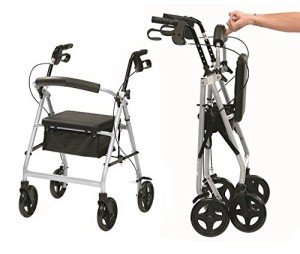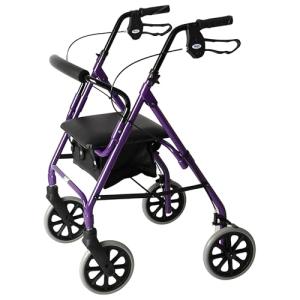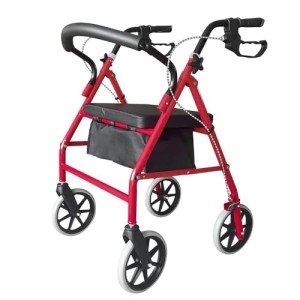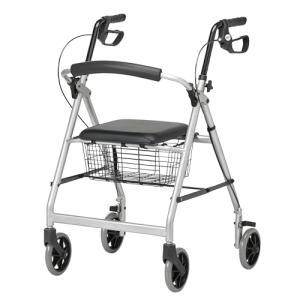

Mobility is a fundamental component of independent living, yet for many individuals, physical limitations or chronic health conditions can make movement a challenge. For those within the bariatric community, standard mobility aids often fall short in terms of stability, weight capacity, and comfort. This is where the heavy-duty bariatric 4-wheel walker with a seat—commonly referred to as a bariatric rollator—becomes an essential tool.
Designed to accommodate higher weight capacities and provide a wider base of support, these walkers are engineered for durability and safety. This guide explores the features, benefits, and selection criteria for heavy-duty bariatric walkers, offering a comprehensive look at how they empower users to navigate their environments with confidence.
Understanding the Bariatric Rollator
A bariatric rollator is not simply a larger version of a standard walker. It is a precision-engineered medical device designed to support users who require a higher weight threshold, typically ranging from 400 to 700 pounds. Unlike traditional walkers that must be lifted with every step, the 4-wheel design allows for a smooth, rolling motion, which conserves the user's energy and promotes a more natural gait.
The inclusion of a built-in seat is perhaps the most significant feature. For individuals with limited stamina, respiratory issues, or heart conditions, the ability to sit down and rest at any moment provides a level of security that standard walkers cannot match.
Key Specifications: Standard vs. Bariatric
When selecting a mobility aid, it is vital to understand the structural differences. The following table highlights the primary distinctions between standard rollators and heavy-duty bariatric models.
| Feature | Standard Rollator | Heavy Duty Bariatric Rollator |
|---|---|---|
| Weight Capacity | 250 – 300 lbs | 400 – 700+ lbs |
| Frame Material | Lightweight Aluminum | Reinforced Steel or Heavy-Duty Aluminum |
| Seat Width | 12 – 15 inches | 18 – 22+ inches |
| Overall Width | 22 – 24 inches | 27 – 31 inches |
| Wheel Size | 6 inches | 8 inches (typically) |
| Braking System | Standard Loop Brakes | Reinforced Loop-Lock Brakes |
Essential Features of Heavy Duty Bariatric Walkers
1. Reinforced Frame Construction
The foundation of a bariatric walker is its frame. Manufacturers utilize reinforced steel tubing or heavy-gauge aluminum to ensure the device does not flex or buckle under pressure. This structural integrity is crucial for preventing falls and ensuring long-term durability.
2. Extra-Wide Padded Seating
Comfort is paramount for users who may need to rest frequently. Bariatric models feature wider seats with high-density foam padding. Many also include a padded backrest that can be flipped up or removed, providing additional lumbar support during rest periods.
3. Advanced Braking Systems
Safety is managed through hand-operated loop brakes. In heavy-duty models, these brakes are designed to be easily squeezed by those with limited hand strength or arthritis. Furthermore, they feature a "lock" position—pushing the levers down clicks them into place, ensuring the walker stays stationary while the user is sitting down or standing up.
4. Larger, All-Terrain Wheels
Standard walkers often struggle with uneven surfaces like grass, gravel, or cracked pavement. Bariatric rollators usually come equipped with 8-inch non-marring wheels. The larger diameter allows the walker to glide over obstacles more easily, providing a smoother ride for the user and reducing the jarring impact on the arms and shoulders.
The Benefits of Choosing a Heavy-Duty Model
For individuals requiring extra support, the advantages of a bariatric walker extend beyond mere physical assistance.
- Increased Independence: The ability to move without the constant assistance of a caregiver boosts self-esteem and quality of life.
- Safety and Fall Prevention: The wide wheelbases of bariatric models offer a much lower center of gravity, significantly reducing the risk of the walker tipping over.
- Extended Stamina: Because users can take "micro-rests" on the built-in seat, they can participate in longer outings, such as trips to the grocery store, museums, or family gatherings.
- Convenient Storage: Most bariatric walkers include an under-seat basket or a front-hanging pouch, allowing users to transport personal items, oxygen tanks, or groceries hands-free.
How to Choose the Right Bariatric Walker
Selecting the correct model requires more than just checking the weight capacity. Prospective users and caregivers should follow this checklist to ensure the perfect fit:
- Measure Hip Width: The seat must be wide enough to accommodate the user comfortably. Measure the user’s hips while sitting and add two inches for comfort.
- Verify Doorway Clearances: Because bariatric walkers are wider than standard models, it is essential to measure the doorways in the user's home (especially bathrooms) to ensure the walker can pass through.
- Check Hand Height: The handles should be adjustable. When the user stands straight, the handles should align with the crease of their wrist.
- Consider the Weight of the Unit: While the walker supports a lot of weight, the user or caregiver may need to lift it into a car trunk. Look for models that fold easily and have a manageable "dead weight."
Maintenance and Safety Tips
To ensure the longevity of a heavy-duty walker, regular maintenance is required. Because these devices carry significant weight, the stress on joints and bolts is higher than on standard models.
- Weekly Bolt Checks: Ensure all screws and bolts are tightened. Vibrations from walking on uneven surfaces can loosen them over time.
- Brake Inspection: Monthly, test the brakes to ensure they grip the wheels firmly. If the brakes feel "spongy," they may need adjustment or the brake pads may need replacement.
- Tire Cleaning: Wipe down the wheels to remove debris or hair that can get tangled in the axles, as this can impede the rolling motion.
- Proper Sitting Technique: Always engage the wheel locks before sitting down. Never use the walker as a wheelchair (being pushed by someone else while sitting) unless the model is specifically rated as a "transport chair" hybrid.
Frequently Asked Questions (FAQ)
Q1: Will Medicare cover the cost of a bariatric 4-wheel walker?
In many cases, yes. If a doctor deems the walker a "medical necessity," Medicare Part B may cover 80% of the cost as Durable Medical Equipment (DME). It is important to have a specific prescription stating that a bariatric or heavy-duty model is required due to the user's weight or clinical needs.
Q2: Can a bariatric walker be used indoors?
Absolutely, though its width is a factor. Users should ensure their home has an open floor plan or wide enough doorways (usually 32 inches or more) to accommodate the wider frame of a bariatric rollator.
Q3: What is the difference between a walker and a rollator?
A standard walker has four legs and no wheels (or only two wheels) and must be lifted to move. A rollator has four wheels and hand brakes, allowing for a continuous walking motion. Most bariatric versions are rollators because they are easier to maneuver.
Q4: Are there height limits for these walkers?
Most heavy-duty walkers feature adjustable legs and handles. There are "Tall" models for individuals over 6'0" and "Petite" or "Hemi" models for shorter individuals. Always check the manufacturer's recommended height range.
Q5: Can the seat be used for long periods?
The seat is designed for temporary rest and recovery. It is not intended to replace a standard chair or a wheelchair for long-term sitting, as it lacks the ergonomic support for extended use.
The Heavy Duty Bariatric 4-Wheel Walker with a seat is a transformative tool for those who need extra support and stability. By combining a high weight capacity with thoughtful features like padded seating and all-terrain wheels, these devices remove the barriers to movement. When chosen correctly and maintained well, a bariatric rollator doesn't just provide a way to walk—it provides a way to re-engage with the world, offering the user the freedom to move at their own pace, safely and with dignity.