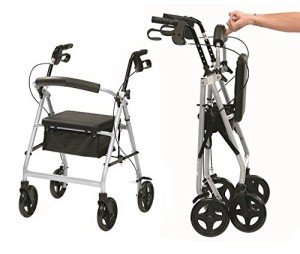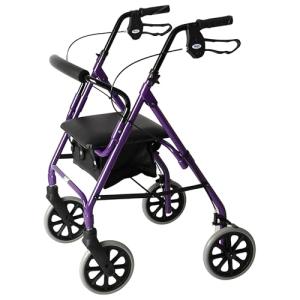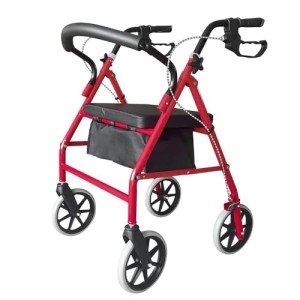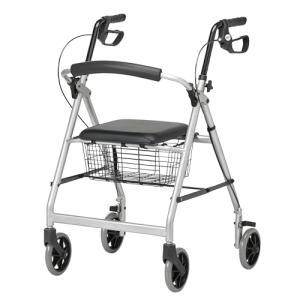





Mobility is a cornerstone of independent living. For individuals managing age-related balance issues, recovering from surgery, or living with chronic conditions like arthritis, maintaining the ability to move safely is paramount. Among the various mobility aids available today, the lightweight folding four-wheel rollator with a seat stands out as one of the most versatile and life-enhancing tools.
This guide explores the intricate details, benefits, and selection criteria for these essential devices, providing a thorough overview for caregivers, medical professionals, and users alike.
What is a Lightweight Folding Four-Wheel Rollator?
A rollator, often referred to as a "wheeled walker," differs from a standard walker by featuring wheels on all four legs. This design allows the user to push the device forward without the need to lift it, promoting a more natural and fluid walking gait. The addition of a built-in seat and a folding frame transforms the device from a mere walking aid into a multifunctional travel companion.
When a rollator is classified as "lightweight," it typically features an aluminum or carbon fiber frame, making it easy to maneuver and lift into vehicles. The "folding" mechanism ensures that the device can be stored in tight spaces or transported with ease.
Key Features and Their Benefits
The modern four-wheel rollator is a masterpiece of ergonomic engineering. Below are the primary features that contribute to its popularity:
1. The Integrated Padded Seat
One of the most significant advantages of a four-wheel rollator is the built-in seat. This feature provides an immediate resting place for individuals who experience fatigue or shortness of breath. Whether waiting in a grocery line or taking a stroll through a park, the user always has a secure place to sit.
2. Lightweight Aluminum Construction
Most high-quality rollators utilize aircraft-grade aluminum. This material offers a high strength-to-weight ratio, ensuring the device can support substantial user weight while remaining light enough for an elderly individual to lift into a car trunk.
3. Loop-Lock Braking System
Safety is managed through hand-operated brakes located on the handles. These brakes work similarly to bicycle brakes; they can be squeezed to slow down or pushed downward to "lock" the wheels in place when the user wishes to sit.
4. Folding Mechanism
A simple pull-up strap on the seat or a cross-brace mechanism allows the unit to collapse. In its folded state, many rollators can stand independently, saving space in hallways or restaurants.
5. Swivel Front Wheels
The four-wheel design includes front wheels that swivel 360 degrees. This provides superior maneuverability, allowing the user to navigate tight corners and indoor spaces more effectively than a two-wheeled walker.
Comparative Analysis: Rollator Types
To understand why a lightweight four-wheel model is often preferred, it is helpful to compare it to other common mobility aids.
Table 1: Mobility Aid Comparison
| Feature | Standard Walker | 2-Wheel Walker | 4-Wheel Rollator |
|---|---|---|---|
| Mobility Style | Lift and place | Partial rolling | Continuous rolling |
| Effort Level | High | Medium | Low |
| Stability | Maximum | High | Moderate/High |
| Built-in Seat | No | No | Yes |
| Terrain | Indoor only | Indoor/Some Outdoor | Indoor/Outdoor |
| Braking System | None | None | Hand Brakes |
| Weight | Very Light | Light | Moderate (Lightweight models available) |
Advantages of Using a Folding Four-Wheel Rollator
The transition to using a four-wheel rollator offers numerous psychological and physical benefits.
- Increased Endurance: Because the user does not have to lift the device with every step, they expend less energy. This allows for longer walks and more physical activity.
- Safety and Fall Prevention: The presence of hand brakes and a stable base significantly reduces the risk of falls, especially on uneven outdoor surfaces.
- Social Engagement: By providing a seat and ease of transport, these devices encourage users to leave their homes, attend social gatherings, and engage with their communities.
- Customizable Comfort: Most models offer adjustable handle heights, ensuring the user maintains a healthy posture and avoids unnecessary strain on the back and shoulders.
Technical Specifications to Consider
When selecting a rollator, it is vital to look beyond the aesthetics and focus on the technical specifications that match the user’s physical requirements.
Table 2: Typical Specifications for Lightweight Rollators
| Specification | Average Range | Recommendation |
|---|---|---|
| Unit Weight | 12 lbs – 18 lbs | Aim for <15 lbs for maximum portability |
| Weight Capacity | 250 lbs – 300 lbs | Check for "Bariatric" models if >300 lbs is needed |
| Seat Height | 18" – 22" | Ensure feet touch the ground comfortably |
| Handle Height | 31" – 38" | Adjust to user's wrist height when standing |
| Wheel Size | 6" – 8" | 8" wheels are better for outdoor terrain |
| Folded Width | 8" – 12" | Measure car trunk space beforehand |
Maintenance and Care
To ensure the longevity and safety of a lightweight rollator, regular maintenance is required. Third-party providers often suggest a monthly check-up of the following components:
- Brake Tension: Over time, the brake cables may stretch. Ensure the wheels lock firmly when the handles are depressed.
- Wheel Integrity: Check for debris caught in the axles. Wipe down wheels after outdoor use to prevent dirt from entering the house.
- Fasteners: Vibrations from walking on sidewalks can loosen screws. Periodically tighten all bolts on the frame and handles.
- Upholstery: Clean the seat and backrest with mild soap and water to maintain hygiene and prevent material degradation.
Frequently Asked Questions (FAQ)
1. Is a lightweight rollator suitable for someone with very poor balance?
While rollators offer great mobility, they require the user to have enough balance to manage a device that rolls freely. Individuals with severe balance issues might benefit more from a stationary walker or should consult a physical therapist before choosing a four-wheel model.
2. Can the rollator be used as a wheelchair?
Generally, no. Standard rollators are designed to support a user while they are stationary. Pushing a person while they are sitting on a rollator can cause the device to tip or damage the frame. Those needing both should look for a "Hybrid Rollator/Transport Chair."
3. How do I determine the correct handle height?
The user should stand upright with their arms hanging naturally at their sides. The handles of the rollator should be adjusted to align with the crease of the user's wrists. This ensures the elbows are slightly bent (about 15-20 degrees) during use.
4. Are 8-inch wheels better than 6-inch wheels?
Larger 8-inch wheels are generally better for outdoor use as they can more easily navigate cracks in sidewalks, gravel, and grass. Six-inch wheels are lighter and more maneuverable for strictly indoor use.
5. Will insurance cover the cost of a lightweight rollator?
In many cases, Medicare or private insurance will cover a portion of the cost if the device is deemed medically necessary and prescribed by a doctor. It is important to check specific policy details regarding "Durable Medical Equipment" (DME).
The lightweight folding four-wheel rollator with a seat is more than just a walking aid; it is a tool for empowerment. By combining robust safety features with ergonomic design and portability, it allows individuals to maintain their lifestyle and navigate the world with confidence. Whether it is for a trip to the local market or a walk in the park, choosing the right rollator can significantly improve the quality of life for those with limited mobility.
When selecting a model, remember to prioritize the user's weight requirements, the environment in which it will be used, and the ease with which it can be transported. With the right device, the path to independence remains wide open.