Attendant propelled wheelchairs are a great choice if you need a little extra help getting around. These chairs allow a caregiver or friend to easily push you, making outings more enjoyable for everyone. They’re designed to be comfortable, easy to maneuver, and perfect for both indoor and outdoor use.
Attendant Propelled Wheelchairs
Enhanced comfort and support for easy navigation and mobility assistance
Product List
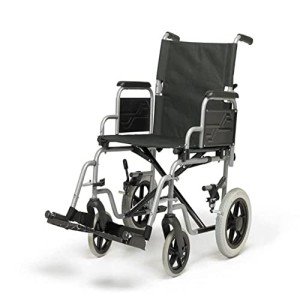
Days Whirl Attendant Wheelchair
Days Mobility
Product Review Score
4.67 out of 5 stars
32 reviews$176.13
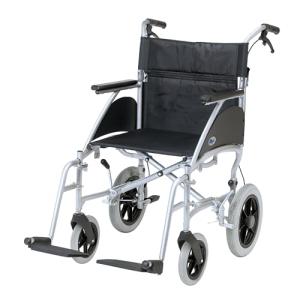
Swift Folding Attendant Wheelchair
Days Mobility
Product Review Score
4.58 out of 5 stars
217 reviews$331.60 $318.34

DAYS Whirl Foldable Scooter
Days Mobility
Product Review Score
4.42 out of 5 stars
97 reviews$265.28
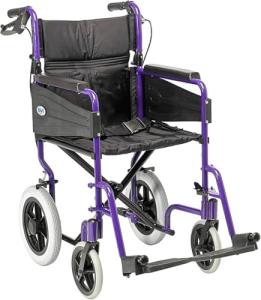
Folding Lightweight Mobility Scooter
Days Mobility
Product Review Score
4.53 out of 5 stars
209 reviews$225.35
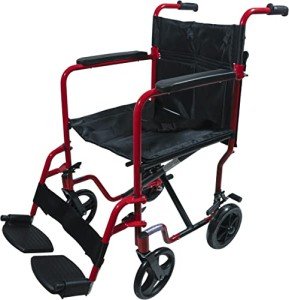
Folding Lightweight Wheelchair with Brakes
Aidapt
Product Review Score
4.56 out of 5 stars
87 reviews$172.43
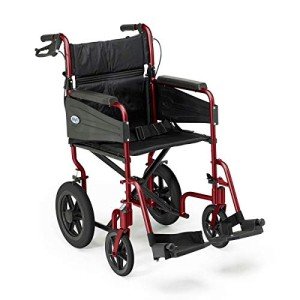
Ruby Red Folding Wheelchair
Days Mobility
Product Review Score
4.15 out of 5 stars
107 reviews$225.49
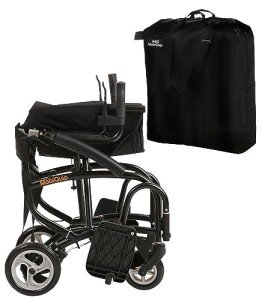
Lightweight Folding Travel Wheelchair
Mobiquip
Product Review Score
4.91 out of 5 stars
119 reviews$305.09
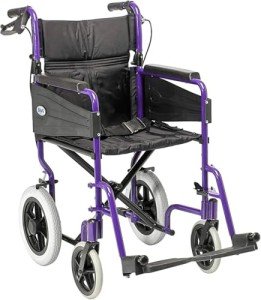
Purple Folding Mobility Scooter
Days Mobility
Product Review Score
4.79 out of 5 stars
80 reviews$225.49
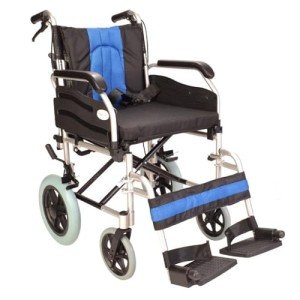
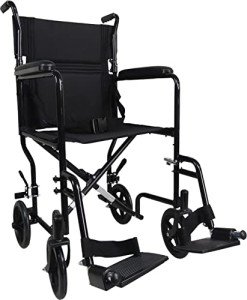
Folding Aluminum Transit Wheelchair
Elite Care
Product Review Score
4.35 out of 5 stars
109 reviews$249.00
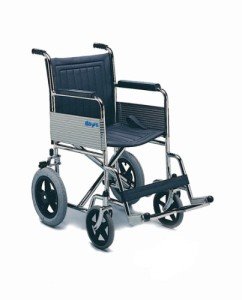
Folding Arm & Leg Rest Scooter
Days Mobility
Product Review Score
4.19 out of 5 stars
90 reviews$238.75
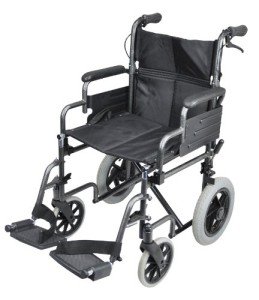
Mobility is a fundamental aspect of quality of life, yet for many individuals, physical limitations make self-propulsion in a standard wheelchair difficult or impossible. In such cases, the attendant propelled wheelchair—often referred to as a transit wheelchair—becomes an essential tool. Unlike self-propelled models that feature large rear wheels for the user to turn, attendant propelled wheelchairs are designed specifically to be pushed by a caregiver, family member, or friend.
This guide provides an in-depth look at attendant propelled wheelchairs, exploring their features, benefits, and the critical factors to consider when selecting the right model for both the user and the caregiver.
1. What is an Attendant Propelled Wheelchair?
An attendant propelled wheelchair is characterized primarily by its smaller rear wheels. Because the user is not expected to reach back and move the chair themselves, the wheels do not need to be large or equipped with handrims. This design choice results in a chair that is generally narrower, lighter, and more compact than its self-propelled counterparts.
The control of the chair lies entirely with the person standing behind it. Consequently, the ergonomics of the push handles and the placement of the braking system are designed with the attendant's comfort and safety in mind.
Key Anatomical Features:
- Small Rear Wheels: Usually 8 to 12 inches in diameter.
- Push Handles: Positioned at a comfortable height for the caregiver.
- Attendant Brakes: Often located on the handles to allow the caregiver to slow or stop the chair easily on slopes.
- Compact Frame: Easier to navigate through narrow doorways and tight hallways.
2. Comparing Attendant Propelled vs. Self-Propelled Wheelchairs
When choosing a wheelchair, it is vital to understand the structural and functional differences between the two primary types of manual wheelchairs.
| Feature | Attendant Propelled (Transit) | Self-Propelled |
|---|---|---|
| Rear Wheel Size | Small (8” – 12”) | Large (22” – 24”) |
| Primary Operator | Caregiver/Attendant | User (with caregiver option) |
| Weight | Generally lighter/more portable | Heavier due to larger wheels |
| Maneuverability | Excellent in tight indoor spaces | Requires more turning radius |
| Transportability | Fits easily in most car trunks | May require wheel removal to fit in trunks |
| Terrain Difficulty | Better on smooth surfaces | Large wheels handle bumps better |
| Braking System | Handles and/or wheel locks | Mostly user-accessible wheel locks |
3. Benefits of Attendant Propelled Wheelchairs
Attendant propelled wheelchairs offer several unique advantages, particularly for those living in urban environments or traveling frequently.
Superior Portability
Because these chairs lack the heavy, bulky rear wheels of self-propelled models, they are significantly easier to fold and lift. For a caregiver who needs to load the chair into a vehicle multiple times a day, the weight difference (often 5–10 lbs) can prevent long-term strain and injury.
Indoor Accessibility
Standard doorways in older homes can be a challenge for self-propelled wheelchairs. Attendant propelled models have a narrower overall width because they do not require handrims on the outside of the wheels. This makes navigating bathrooms, narrow hallways, and crowded cafes much simpler.
Safety and Control
With attendant-operated cable brakes (similar to bicycle brakes), the caregiver has total control over the speed of the chair. This is particularly beneficial when navigating ramps or steep inclines, as it prevents the chair from "runaway" momentum, ensuring the user feels secure at all times.
4. Types of Attendant Propelled Wheelchairs
Not all transit chairs are created equal. Depending on the user's needs and the environment, different categories are available:
- Standard Transit Chairs: Built with steel frames, these are durable and cost-effective but can be heavier to lift.
- Lightweight Aluminum Chairs: These utilize high-grade aluminum to reduce weight without sacrificing structural integrity. They are the preferred choice for frequent travelers.
- Bariatric Attendant Chairs: Designed with reinforced frames and wider seats to accommodate higher weight capacities (typically upwards of 250 lbs to 450 lbs).
- Travel/Transport Chairs: These are ultra-compact, often featuring a "half-folding" backrest, making them small enough to fit in a storage bag for air or rail travel.
5. Essential Considerations for Selection
Choosing the right wheelchair requires a balance between user comfort and attendant ease of use. Below is a checklist of features to evaluate before purchasing.
Checklist for Buyers:
- Seat Width and Depth: The seat should be wide enough to accommodate the user comfortably without being so wide that they slide. Standard widths are 16, 18, and 20 inches.
- Weight Capacity: Always check the maximum user weight to ensure safety.
- Push Handle Height: To prevent back pain for the attendant, the handles should be at a height that allows for a natural walking posture.
- Footrests: Are they swing-away or removable? Removable footrests make it easier for the user to get in and out of the chair.
- Upholstery: Look for breathable, padded materials if the user will be sitting in the chair for extended periods.
- Tire Type: Solid tires are maintenance-free (no punctures), while pneumatic (air-filled) tires provide a smoother ride on uneven surfaces.
6. Maintenance and Safety Tips
To ensure the longevity of the wheelchair and the safety of the user, regular maintenance is required.
- Check Tire Pressure: If using pneumatic tires, ensure they are inflated to the recommended PSI for stability.
- Test the Brakes: Periodically check the cable tension on the attendant brakes to ensure they grip the wheels firmly.
- Clean the Axles: Hair, lint, and dirt can wrap around the wheel axles, causing friction. Clean these areas monthly.
- Folding Mechanism Lubrication: Use a silicone-based lubricant on the folding cross-brace to keep the action smooth.
Safety Tip for Attendants: When curb-climbing, always use the "stepper tube" (a small protrusion near the rear wheels) to tilt the chair back. Never pull the chair up a curb using only the handles, as this can put undue stress on the frame and the caregiver's wrists.
7. Frequently Asked Questions (FAQ)
Can an attendant propelled wheelchair be used on grass or gravel?
While they are best suited for flat, paved surfaces, models with larger 12-inch rear tires can handle short distances over firm grass or packed gravel. However, small-wheeled transit chairs are generally difficult to push through thick grass or loose sand.
Is there a difference between a "transport chair" and an "attendant propelled wheelchair"?
The terms are often used interchangeably. However, "transport chairs" are sometimes more basic and intended for very short trips (like from a car to a doctor’s office), whereas "attendant propelled wheelchairs" may have more ergonomic features for long-term daily use.
Can the user move the chair at all by themselves?
No. Because the wheels are small and positioned under the seat, the user cannot reach them to propel the chair. These chairs are strictly for situations where a caregiver is available to assist.
Are these wheelchairs covered by insurance?
In many regions, mobility aids are covered by health insurance or government schemes if they are deemed medically necessary. It is recommended to obtain a prescription or assessment from an Occupational Therapist (OT) first.
How do I know what seat width to buy?
Measure the user across the widest part of their hips while sitting and add about 1 to 2 inches to that measurement. This ensures a snug but comfortable fit that allows for bulky clothing or cushions.
8. Conclusion
Attendant propelled wheelchairs are a vital solution for maintaining the mobility and social inclusion of individuals who cannot operate a manual chair independently. By prioritizing lightweight designs, compact frames, and safety features like attendant brakes, these chairs reduce the physical burden on caregivers while ensuring the user remains comfortable and secure.
When selecting a chair, it is important to look beyond just the price and consider the long-term ergonomics for both the person sitting in the chair and the person pushing it. A well-chosen transit wheelchair does more than move someone from point A to point B; it opens up the world for exploration and continued engagement with the community.