Aluminium wheelchair ramps are a game-changer for anyone needing to make their space more accessible. They’re lightweight yet strong, making them super easy to move around. You’ll find a variety of sizes to fit different needs, so you can find just the right ramp for your home or vehicle.
Aluminium Wheelchair Ramps
Easily Access Your Space with Durable and Lightweight Aluminium Wheelchair Ramps
Product List
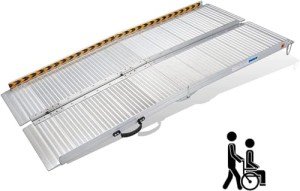
Folding Aluminum Wheelchair Ramp
Gardhom
Product Review Score
4.76 out of 5 stars
104 reviews$245.57
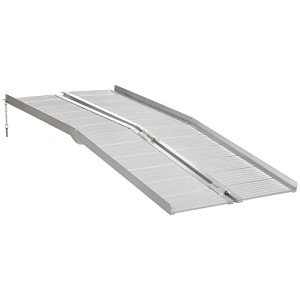
Folding Aluminum Wheelchair Ramp
Homcom
Product Review Score
4.86 out of 5 stars
130 reviews$140.25
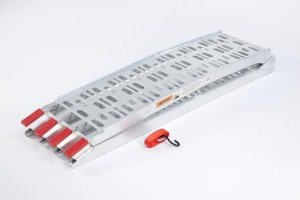
Folding Aluminum Ramp for Mobility
The Ramp People
Product Review Score
4.47 out of 5 stars
99 reviews
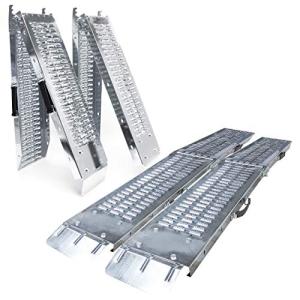
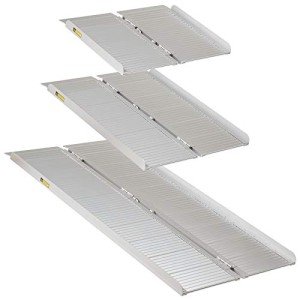
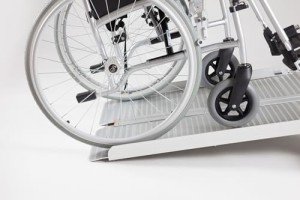
4ft Folding Wheelchair Ramp
The Ramp People
Product Review Score
4.22 out of 5 stars
171 reviews$197.00
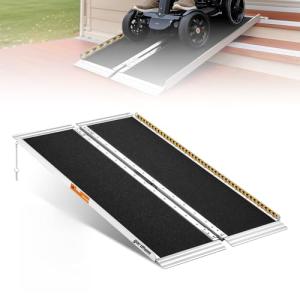
Foldable Aluminum Wheelchair Ramp
Gardhom
Product Review Score
4.24 out of 5 stars
133 reviews$175.95 $166.68
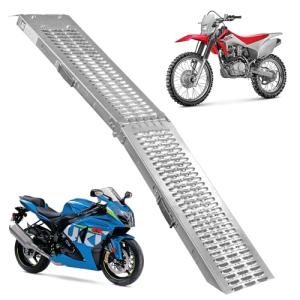
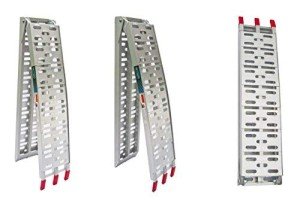
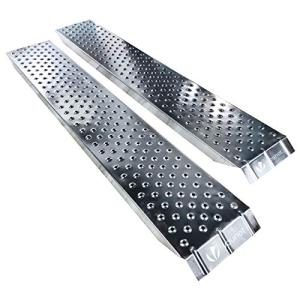
Folding Aluminium Loading Ramps
The Ramp People
Product Review Score
4.68 out of 5 stars
191 reviews
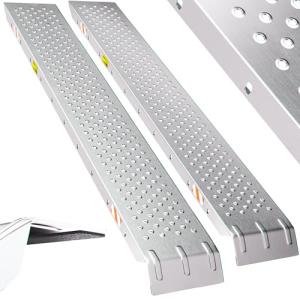
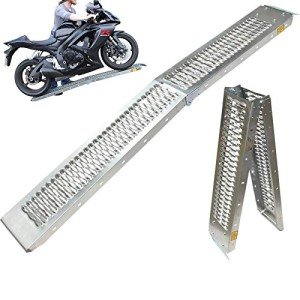
Accessibility is a fundamental requirement for inclusive modern living. Whether for private residences, commercial establishments, or public spaces, providing a safe and reliable means of entry for individuals with mobility challenges is a priority. Among the various materials used for accessibility solutions, aluminium has emerged as the industry standard.
Aluminium wheelchair ramps offer a unique combination of strength, durability, and portability. This guide explores the various types of aluminium ramps available, their advantages over other materials, safety considerations, and how to select the ideal solution for any environment.
Why Choose Aluminium? The Benefits of Material Excellence
When selecting a ramp material, options typically include wood, concrete, steel, and aluminium. However, aluminium is frequently preferred by contractors and healthcare professionals for several reasons.
1. Durability and Corrosion Resistance
Unlike steel, which is prone to rust, or wood, which can rot and warp over time when exposed to moisture, aluminium forms a natural oxide layer that protects it from corrosion. This makes it an ideal material for outdoor installations in diverse climates, from coastal areas with salty air to regions with heavy snowfall.
2. Strength-to-Weight Ratio
Aluminium is significantly lighter than steel or concrete but retains a high weight-bearing capacity. This makes it possible to create portable ramps that can be handled by a single person, as well as modular systems that do not require heavy machinery for installation.
3. Low Maintenance
Wood ramps require seasonal staining, sealing, and checking for splinters or loose boards. Concrete can crack and require resurfacing. Aluminium ramps are virtually maintenance-free; an occasional wash with water and mild detergent is usually sufficient to keep them in top condition.
4. Safety Features
Most aluminium ramps are manufactured with "open-mesh" or serrated surfaces. These designs allow rain, snow, and debris to pass through, preventing the buildup of ice or slippery puddles, which are significant hazards for wheelchair users.
Types of Aluminium Wheelchair Ramps
Aluminium ramps are not "one size fits all." They are engineered for specific scenarios ranging from navigating a small threshold to overcoming a full flight of stairs.
Portable "Suitcase" Ramps
Designed for travel and temporary use, these ramps fold in half and often feature a handle. They are perfect for visiting friends, navigating curbs, or loading a wheelchair into a van.
Modular Ramp Systems
Modular ramps consist of prefabricated sections (platforms, straight runs, and turns) that are bolted together on-site. These are used for semi-permanent or permanent residence access. Because they are not bolted into the ground in the same way concrete is, they often do not require the same extensive building permits and can be removed or reconfigured if needs change.
Threshold Ramps
These are small wedges or bridges designed to help mobility devices cross small rises, such as sliding door tracks or single-step entries. They are common in both indoor and outdoor settings.
Telescopic Ramps
These consist of two separate tracks that can be extended or retracted. While they are highly portable, they require the user to align the tracks precisely with the wheels of the mobility device.
Technical Specifications and Comparison
Understanding the differences between ramp types helps in making an informed purchase. The following table provides a comparison of common aluminium ramp configurations.
Table 1: Comparison of Aluminium Ramp Types
| Ramp Type | Typical Length | Weight Capacity | Primary Use | Portability |
|---|---|---|---|---|
| Threshold | 1 – 6 inches (Rise) | 600 - 800 lbs | Doorways/Small Curbs | High |
| Suitcase/Folding | 2 – 10 feet | 500 - 800 lbs | Vehicle entry/Short steps | High |
| Modular System | 10 – 40+ feet | 800 - 1,000 lbs | Main home/Business entry | Low (Semi-permanent) |
| Telescopic | 4 – 10 feet | 600 lbs | Steps/Vehicles | Medium |
Material Comparison: Why Aluminium Wins
To fully appreciate the value of aluminium, it is helpful to compare it against other common construction materials used for ramps.
Table 2: Aluminium vs. Wood vs. Concrete
| Feature | Aluminium | Wood | Concrete |
|---|---|---|---|
| Installation Speed | A few hours | Several days | Several days (plus curing) |
| Maintenance | Minimal | High (Staining/Sealing) | Moderate (Cracking) |
| Weather Resistance | Excellent | Poor (Rot/Warping) | Good |
| Slip Resistance | High (Serrated surface) | Moderate (Can be slippery) | High (with broom finish) |
| Portability | High | None | None |
| Resale Value | High | Low | None |
Essential Safety Design Guidelines
When installing an aluminium ramp, safety must be the primary consideration. Following established guidelines, such as those set by the ADA (Americans with Disabilities Act), ensures the ramp is usable and safe.
The Slope Ratio
The standard recommendation for a safe ramp slope is a 1:12 ratio. This means that for every 1 inch of vertical rise, there should be 12 inches (1 foot) of ramp length.
- Example: If a porch is 24 inches high, the ramp should be at least 24 feet long.
- A steeper slope (1:10) may be acceptable for independent users with high strength or power chairs, but 1:12 is the safest for all users.
Handrail Requirements
For any ramp with a rise greater than 6 inches or a horizontal run greater than 72 inches, handrails are essential. Aluminium modular systems often come with integrated handrails that are smooth to the touch and provide stability for those who may be walking up the ramp with a cane or walker.
Landing Platforms
A ramp should not be one continuous slope if it is very long. Level landings are required at the top and bottom, and at any point where the ramp changes direction. A "resting landing" is usually recommended every 30 feet of ramp run.
Weight Capacity
Always check the combined weight of the user and the mobility device (wheelchair or scooter). Most aluminium ramps support between 600 and 1,000 lbs, which is sufficient for heavy bariatric power chairs.
Factors to Consider Before Purchasing
Before investing in an aluminium ramp system, homeowners and facility managers should evaluate the following:
- The Total Rise: Measure the vertical distance from the ground to the highest point where the ramp will sit.
- Available Space: Consider the "footprint" of the ramp. If there is not enough straight-line space for a 1:12 slope, a modular system with a "U-turn" or "L-turn" platform may be required.
- User Needs: Is the user in a manual wheelchair, a power scooter, or using a walker? This dictates the width and the necessary weight capacity of the ramp.
- Duration of Use: If the need is temporary (e.g., recovering from surgery), a rental modular ramp or a portable folding ramp might be more cost-effective than a permanent installation.
Frequently Asked Questions (FAQ)
1. Are aluminium ramps noisy when walked on?
While metal can produce a "hollow" sound, many modern aluminium ramps feature heavy-duty ribbing or mesh patterns that minimize vibration and noise. Using rubber pads under the support legs can also dampen sound.
2. Can aluminium ramps be used in the winter?
Yes. Aluminium ramps are excellent for winter because they don't rust from salt and often feature "open-drain" surfaces that prevent snow from accumulating. However, users should still use pet-safe ice melt to ensure the surface remains clear.
3. Do I need a building permit for an aluminium ramp?
Because modular aluminium ramps are often classified as "temporary equipment" rather than permanent structures (like concrete), a permit is not always required. However, it is vital to check with local municipal building departments, as rules vary by jurisdiction.
4. How wide should a wheelchair ramp be?
For residential use, a minimum width of 32 to 36 inches is standard. For commercial or public use, the ADA requires a minimum clear width of 36 inches between handrails.
5. Will an aluminium ramp devalue my home?
Generally, no. Because modular aluminium ramps are removable, they do not permanently alter the home's structure. In many cases, they add value by making the home accessible to a wider pool of future buyers.
Aluminium wheelchair ramps represent a pinnacle of functional design in the accessibility industry. Their resistance to the elements, ease of installation, and high safety standards make them a superior choice for anyone looking to remove mobility barriers. By understanding the different types of ramps and adhering to safety slope guidelines, caregivers and property owners can ensure a safe, dignified, and independent environment for all mobility device users. In the balance of cost, longevity, and performance, aluminium remains the undisputed leader.