Folding wheelchairs offer a practical solution for those who need mobility on the go. They’re lightweight, easy to store, and perfect for travel or just moving around the house. With a range of options to fit different needs, you can find the right one that keeps you comfortable and independent.
Folding Wheelchairs
Compact and convenient solutions for easy mobility on the go
Product List
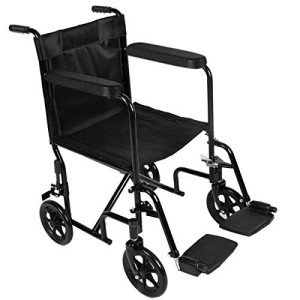
Portable Folding Wheelchair with Brakes
Paldin
Product Review Score
4.15 out of 5 stars
149 reviews$92.66 $87.89
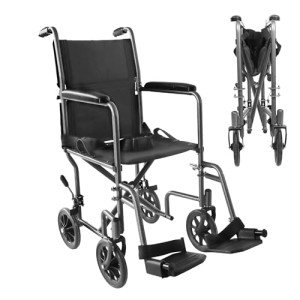
Pepe Compact Folding Wheelchair
Pepe Mobility
Product Review Score
4.91 out of 5 stars
95 reviews$179.99
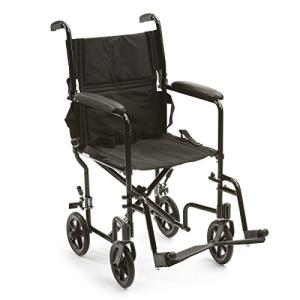
Drive Devilbiss Travel Scooter
Devilbiss Healthcare
Product Review Score
4.4 out of 5 stars
8 reviews
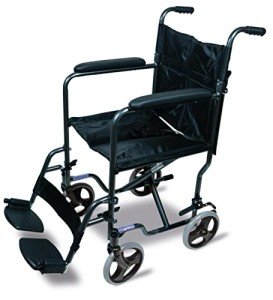
Folding Attendant-Pushed Wheelchair
Aidapt
Product Review Score
4.76 out of 5 stars
23 reviews$158.87 $121.08
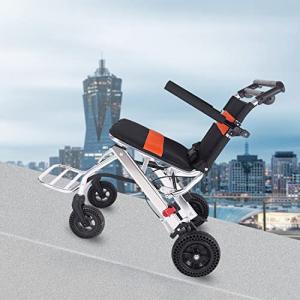
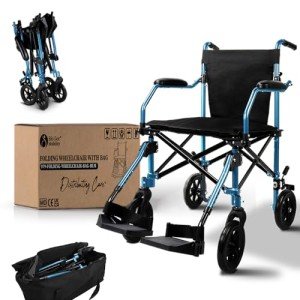
FOLD-O Travel Wheelchair
Bio Lec Mobility
Product Review Score
4.95 out of 5 stars
74 reviews$157.53
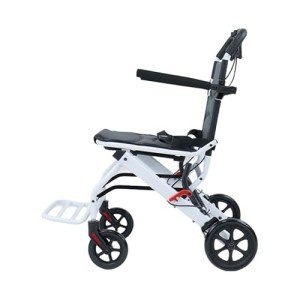
Travel-Ready Foldable Wheelchair
Makamsui
Product Review Score
4.73 out of 5 stars
159 reviews$127.27
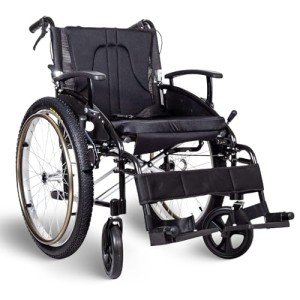
Voyager All-Terrain Folding Wheelchair
Elite Care
Product Review Score
4.11 out of 5 stars
118 reviews
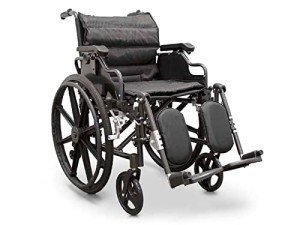
Comfort Folding Aluminum Wheelchair
Quirumed
Product Review Score
4.54 out of 5 stars
168 reviews$376.83
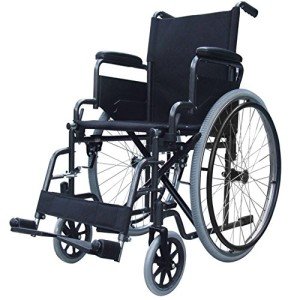
Elite Care Folding Wheelchair
Elite Care
Product Review Score
4.99 out of 5 stars
102 reviews$158.85
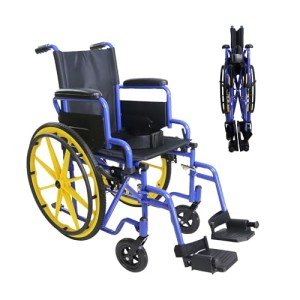
Pepe Kids Folding Wheelchair
Pepe Mobility
Product Review Score
4.17 out of 5 stars
26 reviews$319.99
For individuals with limited mobility, a wheelchair is more than just a piece of medical equipment; it is a gateway to the world. Among the various designs available on the market today, folding wheelchairs have emerged as one of the most popular choices for both permanent users and those requiring temporary assistance. By combining structural integrity with the ability to collapse into a compact form, these devices offer a level of convenience that rigid-frame models often cannot match.
This comprehensive guide explores the nuances of folding wheelchairs, examining their benefits, the different types available, key features to consider when purchasing, and essential maintenance tips to ensure longevity.
What is a Folding Wheelchair?
A folding wheelchair is characterized by its "X-brace" or "cross-brace" frame. Unlike rigid wheelchairs, which have a solid, non-movable frame, the folding variant allows the seat to be pulled upward, drawing the two sides of the chair together. This mechanism reduces the width of the chair significantly, making it ideal for storage in tight spaces or transport in the trunk of a vehicle.
The Primary Benefits of Folding Wheelchairs
The decision to choose a folding model over a rigid one often comes down to lifestyle requirements. Here are the primary advantages:
- Portability: The ability to collapse the frame makes these chairs perfect for travel. They can fit into most standard car trunks, overhead compartments on some trains, and are easily checked in for air travel.
- Space Management: For those living in smaller apartments or assisted living facilities, space is a premium. A folding wheelchair can be tucked away in a closet or behind a door when not in use.
- Versatility: Many folding models are designed to accommodate a wide range of accessories, from specialized cushions to adjustable footrests, making them adaptable to the user’s changing needs.
- Ease of Transport for Caregivers: Because they fold, these chairs are often easier for caregivers to lift and maneuver into vehicles compared to heavy, non-collapsible power chairs.
Types of Folding Wheelchairs
Not all folding wheelchairs are created equal. They are generally categorized based on their weight, material, and method of propulsion.
1. Standard Folding Wheelchairs
These are the most common models often seen in hospitals or airports. They are usually made of steel, making them durable but relatively heavy (typically between 35 and 50 pounds).
2. Lightweight and Ultra-Lightweight Models
Constructed from aluminum or titanium, these chairs prioritize ease of use. Ultra-lightweight models can weigh as little as 15 to 25 pounds, which significantly reduces the strain on the user’s shoulders during self-propulsion.
3. Folding Electric (Power) Wheelchairs
Modern engineering has allowed for the creation of motorized wheelchairs that also fold. While heavier than manual chairs due to the battery and motor, they eliminate the need for physical exertion and offer impressive range for outdoor excursions.
4. Transport Chairs
Often confused with standard wheelchairs, transport chairs have four small wheels and cannot be self-propelled. They are designed to be pushed by a caregiver and are almost always foldable.
Comparison of Frame Materials
When selecting a folding wheelchair, the material of the frame dictates the chair's weight, durability, and price point.
| Material | Weight | Durability | Price Range | Best For |
|---|---|---|---|---|
| Steel | Heavy | High | Low | Short-term use/Budget-conscious |
| Aluminum | Light | Medium/High | Mid-range | Active daily users |
| Titanium | Ultra-light | Very High | Premium | Long-term users / High performance |
| Carbon Fiber | Lightest | High | Very Premium | Maximum portability and style |
Key Features to Consider Before Purchase
Choosing the right folding wheelchair requires an assessment of the user’s physical dimensions and daily environment. Third-party consultants and occupational therapists often recommend looking at the following aspects:
Seat Dimensions
The seat must be wide enough to be comfortable but narrow enough to allow the user to reach the handrims easily. Standard widths usually range from 16 to 20 inches. Depth is equally important to ensure the user’s thighs are supported without the seat edge digging into the back of the knees.
Armrests and Footrests
- Fixed vs. Removable: Removable armrests make "lateral transfers" (moving from the chair to a bed or car seat) much easier.
- Swing-away Footrests: These allow the user to clear the area in front of the chair to stand up safely or to get closer to a desk or table.
Wheel Types
- Pneumatic (Air-filled): These provide a smoother ride on uneven surfaces but are prone to punctures.
- Solid Rubber/Polyurethane: These are maintenance-free and cannot go flat, though the ride may feel slightly "bumpier" on rough terrain.
Maintenance and Care
To ensure the safety and longevity of a folding wheelchair, regular maintenance is required. A well-maintained chair is not only safer but also easier to propel.
- Check Tire Pressure: For pneumatic tires, keeping them at the recommended PSI ensures low rolling resistance.
- Inspect the Folding Mechanism: Periodically apply a silicone-based lubricant to the X-brace hinges to keep the folding action smooth.
- Tighten Bolts: Constant vibrations from movement can loosen nuts and bolts. A monthly check-up is advisable.
- Upholstery Check: Look for tears or sagging in the seat and backrest, as this can lead to poor posture and pressure sores.
User Considerations: Lists for Selection
Who should choose a Folding Wheelchair?
- Users who travel frequently by car or public transport.
- Individuals with limited storage space at home.
- Users who require a chair for "part-time" use (e.g., for long distances only).
- Caregivers who may have difficulty lifting heavy, rigid frames.
Essential Accessories to Consider:
- Pressure Relief Cushions: Essential for long-term comfort and skin integrity.
- Anti-tip Bars: Small wheels at the back that prevent the chair from tipping backward.
- Carry Bags: Specialized bags that protect the chair during airline travel.
- Cup Holders and Pouches: For carrying personal items like phones and water bottles.
The folding wheelchair remains a cornerstone of mobility solutions due to its unparalleled blend of functionality and portability. Whether it is a lightweight aluminum model for an active individual or a sturdy steel version for hospital transfers, the right folding chair can significantly enhance a person’s quality of life. By understanding the different materials, measurements, and maintenance requirements, users and caregivers can make an informed decision that balances comfort, cost, and convenience.
Frequently Asked Questions (FAQ)
1. Are folding wheelchairs as strong as rigid wheelchairs?
While rigid wheelchairs generally offer better energy efficiency (as no energy is lost to frame flex), modern folding wheelchairs are engineered to be extremely durable. High-quality aluminum and titanium folding frames can support significant weight and last for many years with proper care.
2. Can I take a folding wheelchair on an airplane?
Yes. Most airlines allow wheelchairs to be checked at the gate free of charge. Folding wheelchairs are particularly advantageous here because they can often fit in the onboard closet (if available) or are less likely to be damaged in the hold compared to complex power chairs.
3. How do I know what seat width I need?
A general rule of thumb is to measure the widest part of the user’s hips while seated and add 1 to 2 inches. This provides enough room for comfort and seasonal clothing without making the chair too wide to fit through standard doorways.
4. Do folding wheelchairs require special tools for assembly?
Most folding wheelchairs come mostly assembled. Usually, you only need to snap the footrests into place and perhaps adjust the armrest height. For more complex adjustments, a standard set of Allen wrenches and a socket wrench are typically all that is required.
5. Is a transport chair the same as a folding wheelchair?
No. A transport chair has four small wheels and requires a second person to push it. A folding wheelchair has two large rear wheels that allow the user to propel themselves if they have the upper body strength to do so. Both, however, feature folding frames.