Keeping your mobility scooter in top shape is super important. That's where mobility scooter covers come in handy. They protect your ride from the elements, dirt, and wear and tear, so you can enjoy it for a long time.
Mobility Scooter Covers
Keep your mobility scooter protected from the elements with durable and stylish covers
Product List
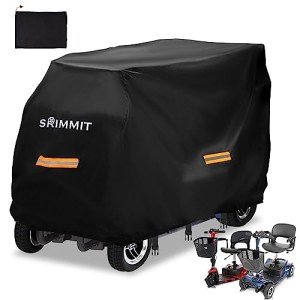
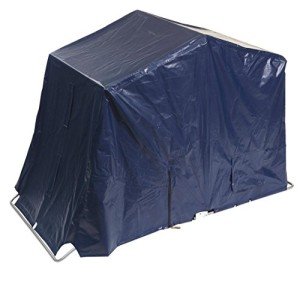
Drive Devilbiss Scooter Garage
Devilbiss Healthcare
Product Review Score
4.75 out of 5 stars
7 reviews$184.67
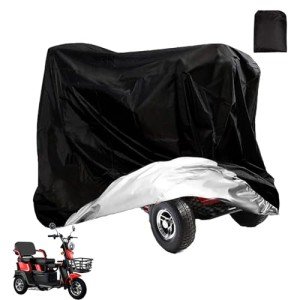
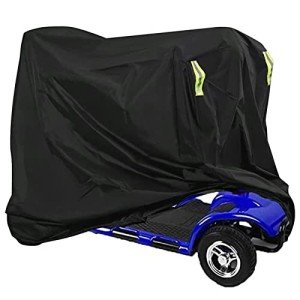
Durable Waterproof Scooter Cover
Delixike
Product Review Score
4.77 out of 5 stars
195 reviews$25.30
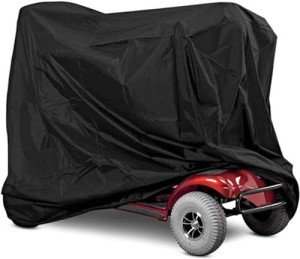
Heavy Duty Scooter Cover
Harrington Marley
Product Review Score
4.43 out of 5 stars
123 reviews$15.85
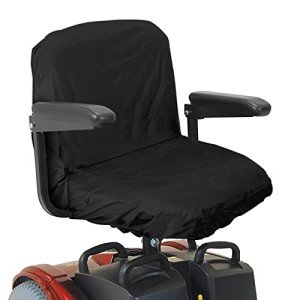
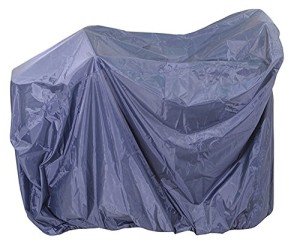
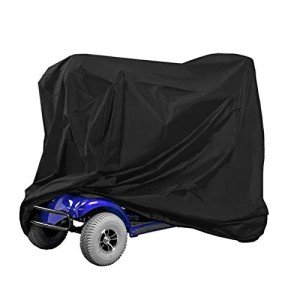
Waterproof Heavy-Duty Scooter Cover
Fenghome
Product Review Score
4.75 out of 5 stars
65 reviews$25.30
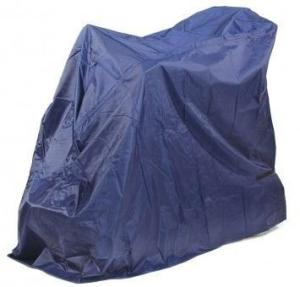
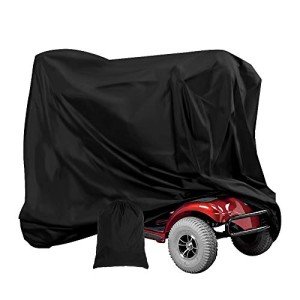
Durable Waterproof Scooter Cover
Camouflage Net
Product Review Score
4.21 out of 5 stars
114 reviews$18.64
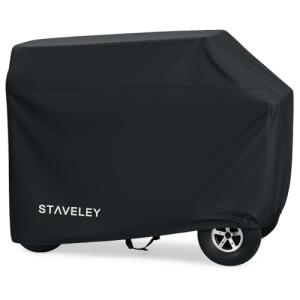
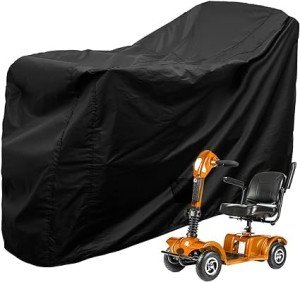
Waterproof Heavy-Duty Scooter Cover
Eummy
Product Review Score
4.82 out of 5 stars
38 reviews$15.96 $10.63
For many individuals, a mobility scooter is more than just a piece of equipment; it is a vital tool for independence, providing the freedom to navigate the world with confidence. Because these devices represent a significant financial investment and a cornerstone of daily life, protecting them from environmental damage is essential. Mobility scooter covers serve as the primary line of defense against weather, dust, and mechanical wear. This guide examines the various types of covers available, the materials that offer the best protection, and how to select the right fit for any model.
The Importance of Using a Mobility Scooter Cover
Leaving a mobility scooter exposed to the elements can lead to a variety of complications. Modern scooters are sophisticated machines equipped with sensitive electronics, upholstery, and mechanical parts that are susceptible to damage.
- Electronic Preservation: The tiller, or control panel, contains the "brain" of the scooter. Exposure to moisture can cause short circuits or complete electronic failure.
- Upholstery Longevity: Constant exposure to UV rays can cause vinyl and leather seats to fade, crack, and lose their structural integrity.
- Corrosion Prevention: Rain and humidity lead to the oxidization of metal components, particularly in the undercarriage and battery terminals.
- Cleanliness and Hygiene: Covers prevent bird droppings, dust, and pollen from accumulating, ensuring the scooter is always ready for use.
Types of Mobility Scooter Covers
Not all covers serve the same purpose. Depending on whether the scooter is stored primarily indoors or outdoors, or used in inclement weather, different styles are required.
Full Storage Covers
These are designed to envelop the entire scooter when it is not in use. They typically feature elasticated hems that tuck under the wheels to provide a snug fit. High-quality storage covers are often made from heavy-duty, waterproof materials like Denier-rated polyester.
Control Panel (Tiller) Covers
The tiller cover is a specialized transparent or semi-transparent guard that protects the dashboard. Many users opt to keep a tiller cover on even when driving in light rain, as it allows visibility of the controls while keeping water away from the buttons and screens.
Seat Covers
Seat covers are designed specifically to protect the padded areas of the scooter. They are useful for outdoor parking where the user might want to keep the seat dry between errands without covering the entire vehicle.
Canopy and Rain Covers
Unlike storage covers, these are meant to be used while the scooter is in motion. They often feature clear plastic windows and side doors, acting as a "cabin" for the driver during transit in rain or wind.
Table 1: Material Comparison for Mobility Scooter Covers
| Material Type | Best For | Pros | Cons |
|---|---|---|---|
| Lightweight Nylon | Indoor storage | Easy to fold, breathable, prevents dust. | Not waterproof, tears easily in wind. |
| 300D - 600D Polyester | Moderate Outdoor Use | Durable, water-resistant, UV protected. | Can be heavy, requires ventilation. |
| PVC Backed Fabric | Extreme Weather | 100% waterproof, very sturdy. | Heavy, may trap condensation if not vented. |
| Ripstop Fabric | High-Wind Areas | Prevents small tears from spreading. | Usually more expensive. |
Key Features to Look For
When shopping for a cover, several features distinguish a high-quality product from a subpar one. Owners should prioritize the following elements:
- Elasticated Hems: These ensure the cover grips the base of the scooter, preventing it from blowing away in high winds.
- Sealed Seams: Waterproofing is only as good as the stitching. Look for "taped" or "heat-sealed" seams to ensure water doesn't leak through the needle holes.
- Vents: Airflow is critical. Without vents, moisture from the ground can evaporate and become trapped under the cover, leading to mold and rust.
- Reflective Strips: If the scooter is stored in a driveway or near a road, reflective strips increase visibility at night, preventing accidental collisions.
- Security Eyelets: Some covers include reinforced holes at the bottom, allowing owners to thread a lock through the cover and the scooter wheels.
Measuring for the Correct Fit
A cover that is too small will put strain on the seams and may not cover the electrical components, while a cover that is too large will flap in the wind and accumulate "pools" of water. To find the correct size, three measurements are required:
- Length: Measured from the front bumper to the rear-most part (often the backrest or an attached basket).
- Width: Measured at the widest point, usually the armrests or the handlebars.
- Height: Measured from the ground to the highest point of the seat back or tiller.
Table 2: Choosing a Cover Based on Storage Location
| Storage Location | Recommended Cover Style | Essential Feature |
|---|---|---|
| Indoor Garage | Lightweight Dust Cover | Breathability |
| Covered Porch/Carport | Standard Water-Resistant Cover | UV Protection |
| Open Driveway/Garden | Heavy-Duty Waterproof Storage Cover | Straps and Vents |
| Public Parking/Travel | Tiller & Seat Covers | Portability/Quick Application |
Maintenance and Care of the Cover
To ensure the cover lasts as long as the scooter itself, proper maintenance is required. Even the most durable fabrics can degrade if neglected.
- Regular Cleaning: Dirt and salt can become abrasive. Owners should periodically wipe the cover down with a damp cloth and mild soap. Harsh chemicals should be avoided as they can strip the waterproof coating.
- Drying Before Folding: Never fold and store a wet cover. This promotes the growth of mildew and can cause the fabric to rot.
- Inspecting for Tears: Small snags should be repaired immediately with a waterproof patch kit to prevent them from expanding.
Why UV Protection Matters
While many people focus on rain, the sun is often the greater enemy of mobility scooters. Ultraviolet (UV) radiation breaks down the molecular bonds in plastics and fabrics. A scooter left in the sun without a UV-rated cover will eventually experience "chalking" (a white powdery residue on plastics), brittle wiring insulation, and faded upholstery. High-quality covers are treated with UV inhibitors that reflect these harmful rays, keeping the internal temperature of the scooter lower and extending its lifespan.
Professional Storage Considerations
For those who do not use their scooters during the winter months, professional storage practices are encouraged. Using a full-body storage cover in conjunction with removing the battery (and storing it in a temperature-controlled environment) is the best way to ensure the scooter starts reliably in the spring.
Frequently Asked Questions (FAQ)
1. Can a mobility scooter be charged while the cover is on?
It is generally not recommended to charge a scooter while it is fully covered. Charging generates heat within the battery and the charger itself. A cover can trap this heat, potentially leading to overheating or a fire hazard. Some specialized covers feature charging flaps, but adequate ventilation must always be ensured.
2. Are mobility scooter covers universal?
While many covers are marketed as "universal," scooters come in vastly different sizes—from compact travel models to large, heavy-duty road-legal models. It is always best to check the dimensions of the cover against the specific measurements of the scooter.
3. How do I stop the cover from blowing away?
Owners should look for covers with integrated "belly straps" or drawstring bottoms. If a cover does not have these, heavy-duty bungees can be used to wrap around the middle of the scooter to secure the fabric.
4. Is it better to store a scooter inside without a cover, or outside with a cover?
Inside storage is always preferable. However, even when stored inside a garage or shed, a lightweight dust cover is recommended to prevent debris and cobwebs from entering the motor housing or control mechanisms.
5. Will a cover prevent the battery from freezing?
A standard fabric cover offers very little thermal insulation. While it will protect the battery from moisture and wind chill, it will not prevent the battery from reaching freezing temperatures. In extreme cold, batteries should be moved indoors.
A mobility scooter represents the gift of movement. Protecting that gift requires proactive care. By investing in a high-quality, well-fitted cover, owners can safeguard the intricate electronics and mechanical components from the harsh realities of the environment. Whether it is a lightweight shield against dust for indoor storage or a heavy-duty polyester guard against wind and rain, the right cover is an essential accessory for any mobility scooter user. Through proper measurement, material selection, and routine maintenance, a cover ensures that the scooter remains a reliable companion for years to come.